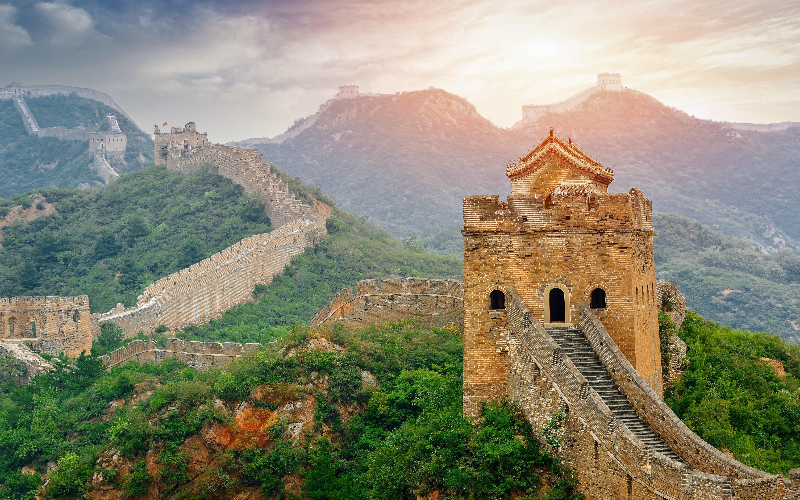
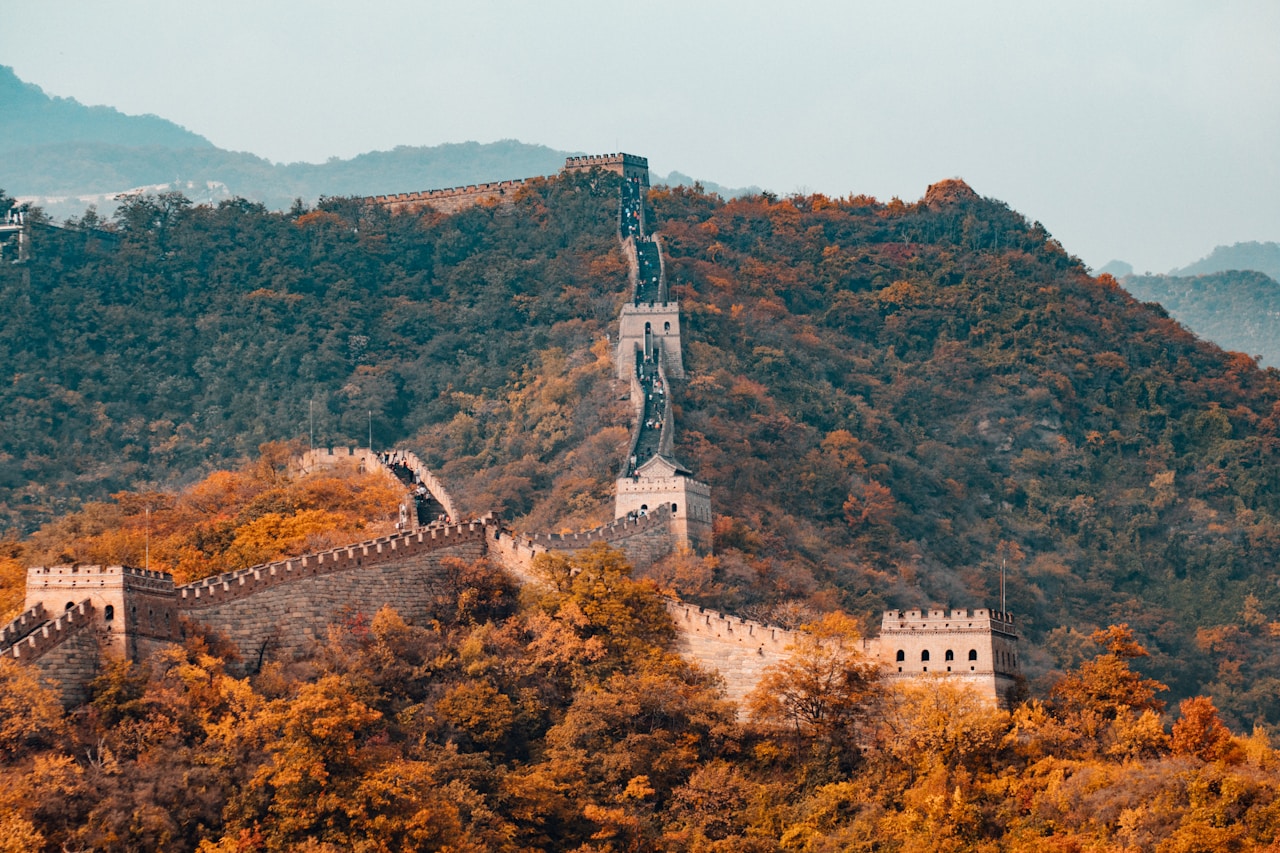
Beijing is the capital of China and one of the world's most important destinations for anyone seeking history, culture and imperial architecture. The city brings together some of the country's most iconic monuments, including the Forbidden City, the Great Wall of China and the Summer Palace, as well as historic temples and traditional neighbourhoods.
With over 3,000 years of history, Beijing served as the political and cultural heart of several Chinese dynasties. In 3 days, it is possible to visit the city's main highlights, exploring the historic centre, its most important temples and the famous Great Wall located in the hills surrounding the capital.
3-day Beijing itinerary: what to do day by day
Daily itinerary
- Day 1 — Tiananmen Square, Forbidden City and historic centre (evening: hutongs and Houhai)
- Day 2 — Summer Palace and Temple of Heaven
- Day 3 — Great Wall of China (Mutianyu)
Day 1 — Forbidden City and historic centre
Morning
Tiananmen Square
One of the world's largest public squares and a symbol of modern China, located in the heart of Beijing. Flanked by significant historic buildings, it serves as the ceremonial gateway to the Forbidden City and is one of the most visited sites in the country.
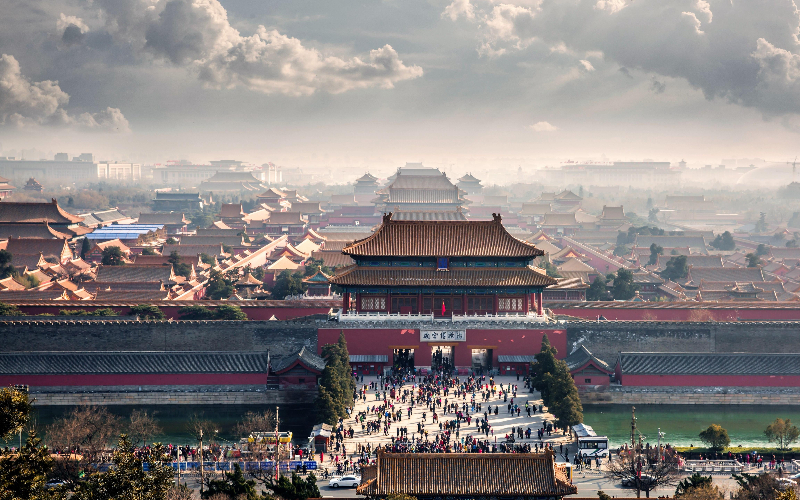
Forbidden City
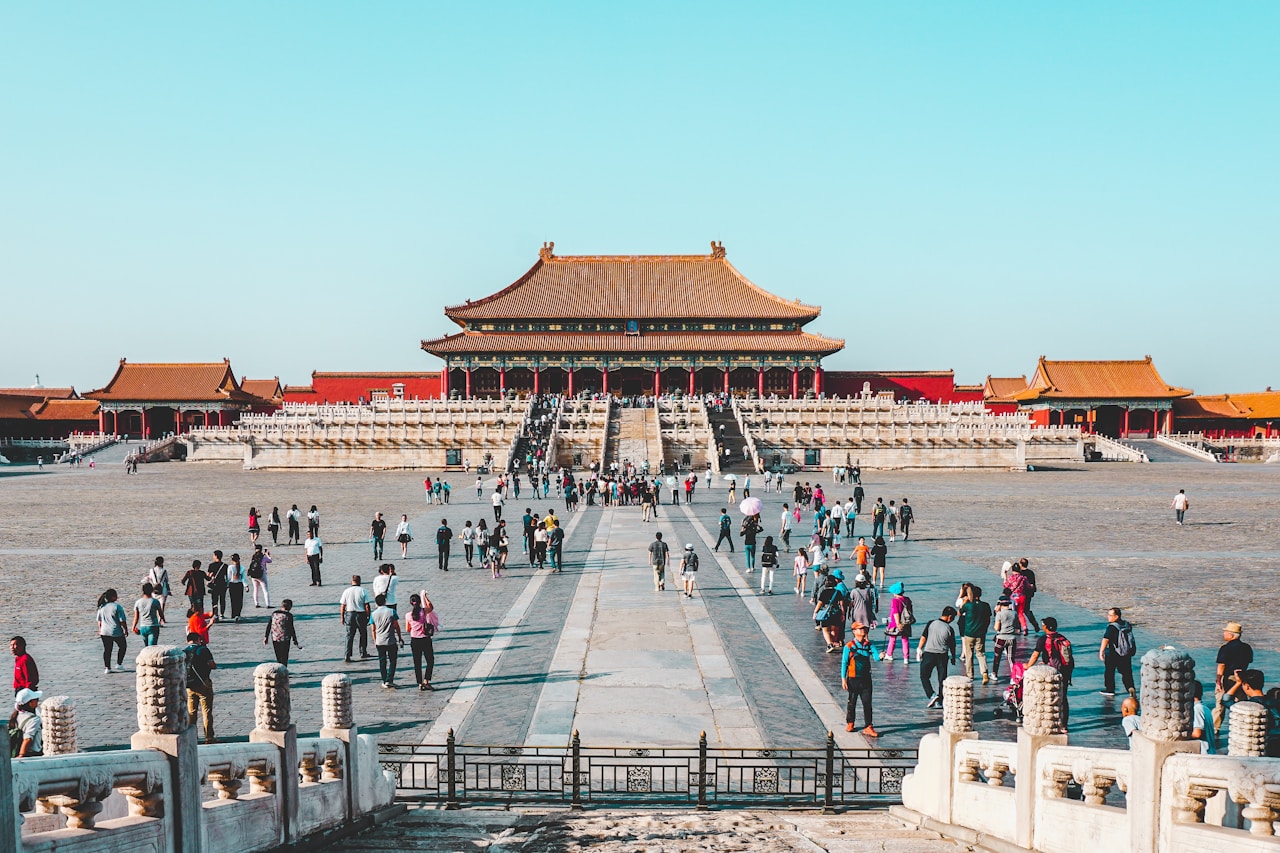
The former imperial palace that served as the residence of Chinese emperors for over 500 years. The complex contains more than 900 buildings, vast courtyards and ceremonial halls, and is considered one of the world's greatest palaces and a UNESCO World Heritage Site.
Imperial Axis
The visit continues along the main axis of the Forbidden City, passing through the most important halls where imperial ceremonies, political decisions and court events took place.
Afternoon
Jingshan Park
A park located just behind the Forbidden City, offering Beijing's best panoramic viewpoint. From the hilltop, you can see the entire central axis of the city and the imperial complex below.
Temple of Heaven
A historic complex where emperors performed rituals to ensure good harvests. The architecture follows symbolic principles linked to heaven and earth, making it one of the most important temples in China.
Wangfujing Street
A famous pedestrian street known for its shops, markets and traditional Chinese street food. One of the best places to try local dishes and experience the urban life of Beijing.
Evening
Nanluoguxiang Hutong
One of Beijing's most well-known hutong areas, with narrow alleyways, traditional courtyard houses, cafés and bars that showcase the city's ancient way of life.
Drum and Bell Towers
Historic towers that were used to mark time in the old city, now open to visitors and carrying great cultural significance.
Houhai Lakes
A lively lakeside area with bars, restaurants and live music — one of the best places to spend an evening in Beijing.
Day 2 — Summer Palace and imperial culture
Morning
Summer Palace
An imperial complex used as the summer residence of the emperors, with gardens, temples and pavilions integrated into the natural landscape. It is considered one of the best-preserved imperial parks in China.
Longevity Hill
The central hill of the complex, dotted with temples and historic buildings, offering panoramic views over the lake and the surrounding imperial architecture.
Afternoon
Kunming Lake
A vast artificial lake occupying most of the Summer Palace grounds, ideal for leisurely walks and boat trips amid traditional scenery.
Seventeen-Arch Bridge
An iconic bridge with 17 arches connecting the island to the rest of the complex — one of the most photographed spots in the palace.
Suzhou Street
A reconstructed historic street that recreates traditional Chinese markets, with shops and pavilions lining the waterside.
Day 3 — Great Wall of China (Mutianyu)
Full day
Great Wall of China — Mutianyu Section
One of the best-preserved sections of the Great Wall of China, located approximately 1.5 hours from Beijing. The site features watchtowers, hiking trails and breathtaking views of the surrounding mountains.
The Mutianyu section is less crowded than Badaling and offers a more peaceful experience, accessible by cable car or on foot. Walking along the wall is one of the most memorable experiences of any trip to China.