Last updated: June 2026
Tbilisi combines historic churches with art galleries, modern cafés and contemporary architecture. Its cobbled streets, wooden balconies and traditional sulphur baths reveal the relationship between the city's history and its modern cultural life.
Because several attractions lie close together, three days provide enough time to explore different sides of Tbilisi without rushing. This itinerary covers the historic centre, principal viewpoints and places connected with Georgian culture and food.
How this itinerary was planned
This three-day itinerary groups nearby attractions to reduce travel time. The first day covers Old Tbilisi, Abanotubani and Narikala; the second combines Sameba, the Vera neighbourhood and Mount Mtatsminda; and the third focuses on the capital's cultural and contemporary side.
The order can be adapted depending on the weather, opening hours and each traveller's pace. Much of the historic centre can be explored on foot, while public transport or app-based taxis make it easier to reach neighbourhoods further out.
3-day Tbilisi itinerary: what to do day by day
Day-by-day itinerary
Day 1: Old Tbilisi and the sulphur baths
Morning
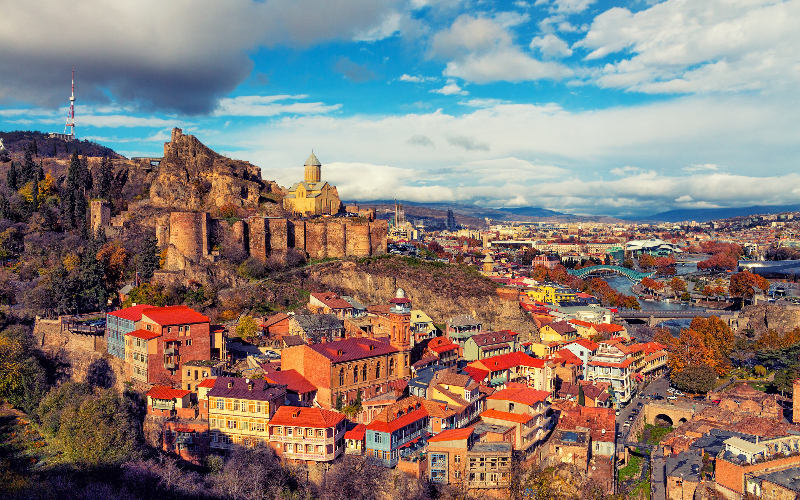
Old Tbilisi (Dzveli Tbilisi). The suggestion for starting the itinerary is to walk through Old Tbilisi, the historic centre of the Georgian capital. The area brings together sloping lanes, houses with carved wooden balconies, old churches, small cafés and buildings from different periods of the city's history.
Walking without rushing is the best way to get to know this part of Tbilisi. In the morning, the streets tend to be quieter, making it easier to take in the architectural details and historic facades.
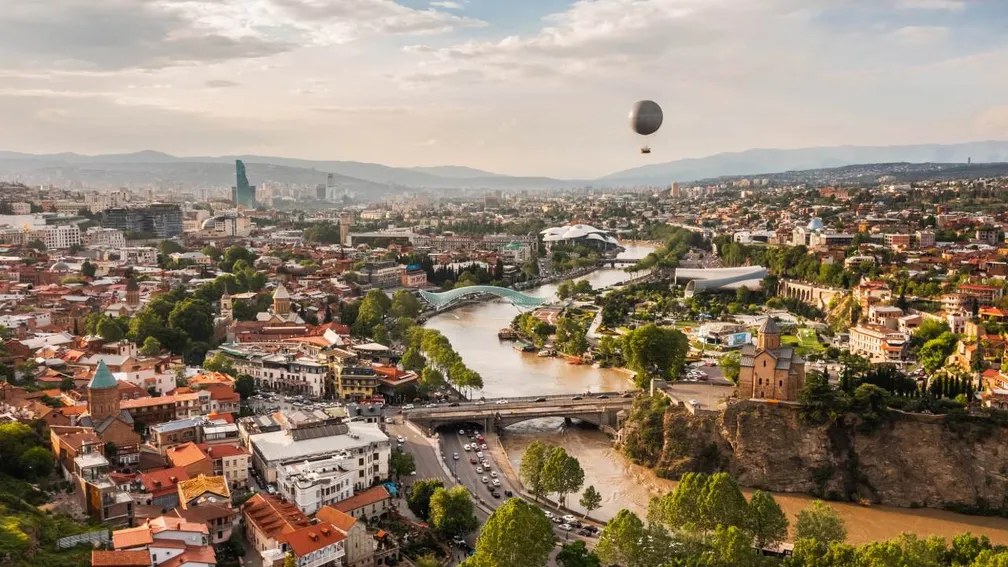
Metekhi Church. Built on raised ground above the Mtkvari river, Metekhi Church is one of Tbilisi's main historic landmarks. The current building dates back to the 13th century and stands on a site directly tied to the city's medieval history.
From the area around the church, you can look out over Old Tbilisi, the riverbanks and part of the Narikala area. The view also helps to understand how the city grew up between the river and the hills.
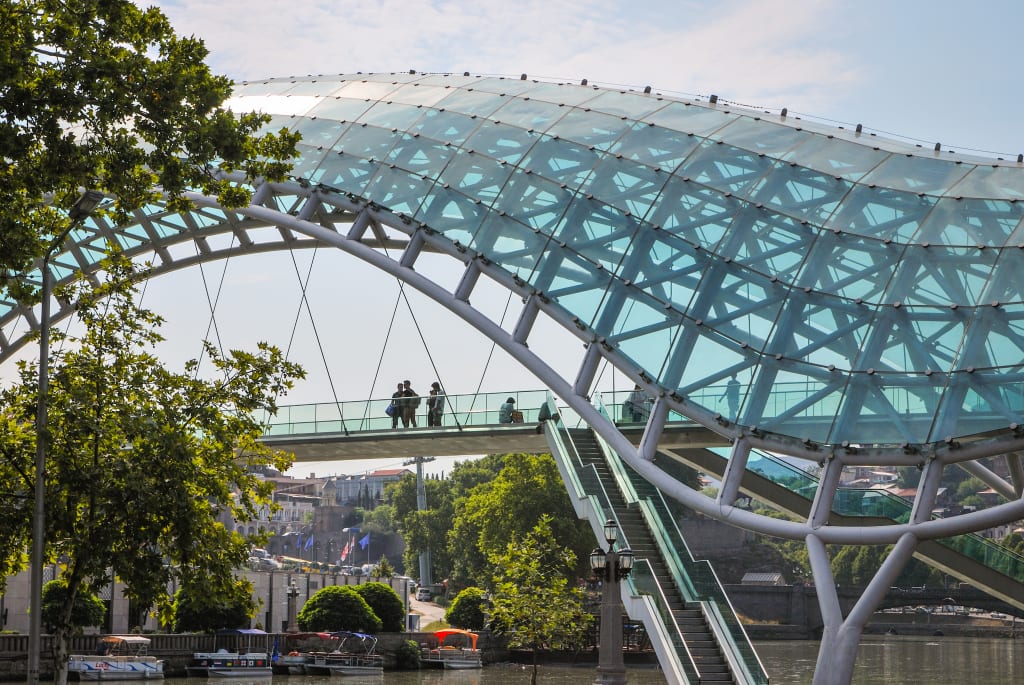
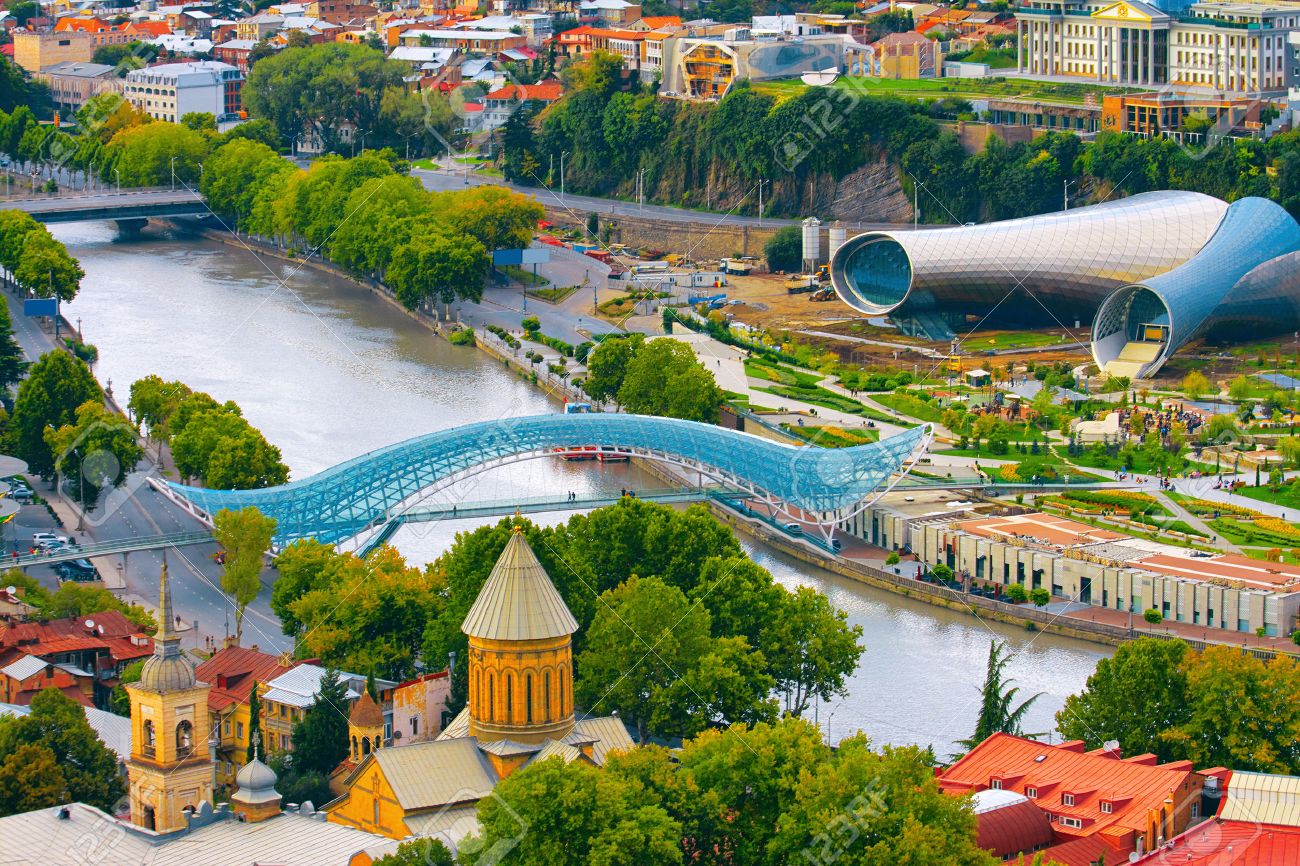
Bridge of Peace. The Bridge of Peace is a glass-and-steel footbridge connecting the two banks of the Mtkvari river. On one side is Old Tbilisi, and on the other, Rike Park, home to the lower station of the cable car.
Its contemporary design creates a clear contrast with the historic buildings around it. Besides serving as a pedestrian crossing, the bridge offers good views of the river and the old centre.
Afternoon
Abanotubani, the sulphur baths neighbourhood. After exploring the historic centre, head to Abanotubani, one of Tbilisi's most distinctive areas. The brick domes visible at street level cover the traditional baths fed by natural sulphur springs.
The link between the thermal springs and the city is so strong that the name Tbilisi comes from a Georgian word associated with "warm". The baths can be used in shared areas or private cabins, depending on the venue chosen.
Leghvtakhevi Waterfall. Next to Abanotubani, a passage between rock walls leads to Leghvtakhevi Waterfall. The walk is short and creates an unexpected contrast with the busy streets of the historic centre.
The waterfall appears at the end of a small canyon surrounded by the city's buildings. The volume of water can vary depending on the time of year, but the walk to get there is already worth including in the visit.
Evening
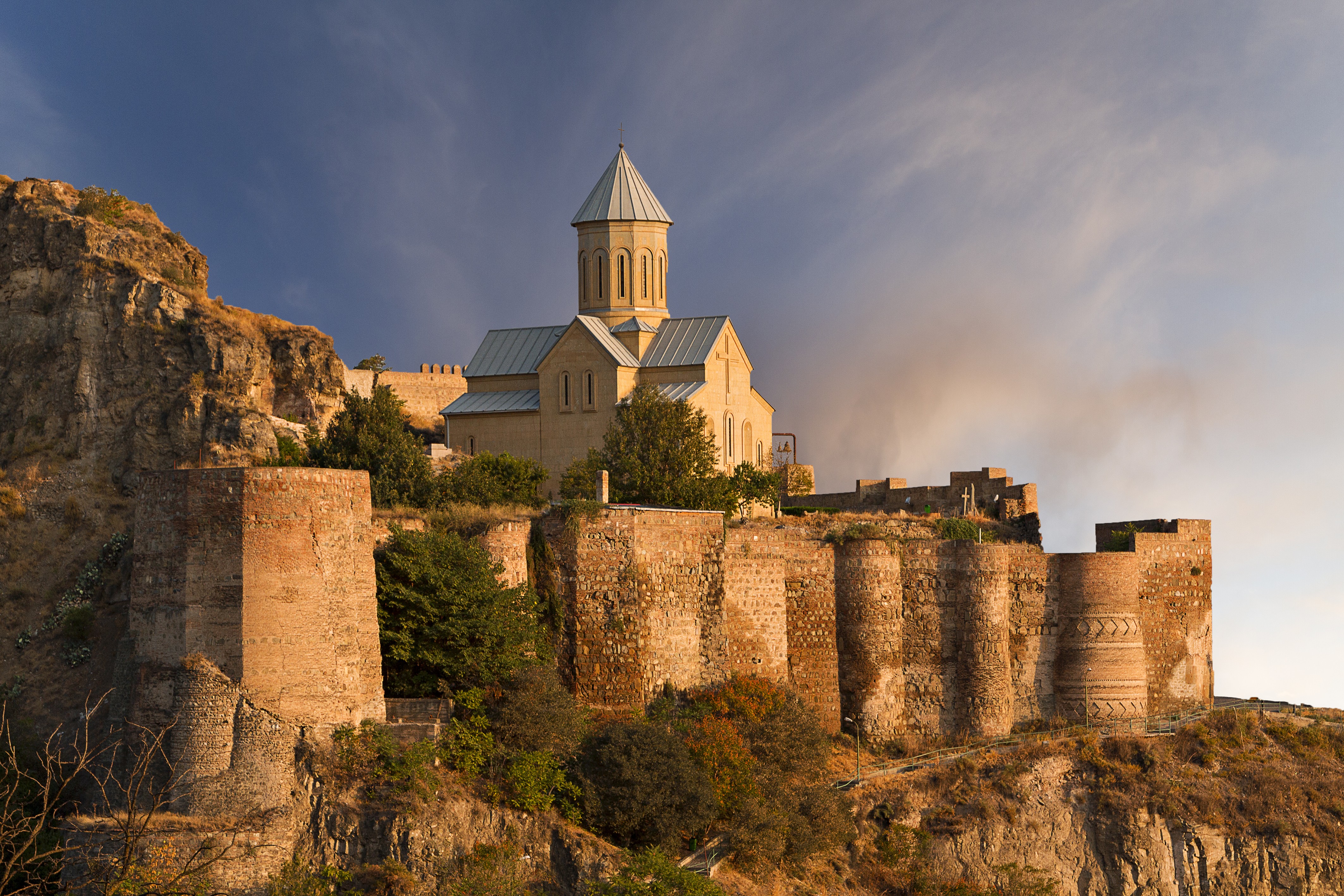
Narikala Fortress at sunset. To end the first day, the area around Narikala Fortress offers one of Tbilisi's best-known views. The fortification dates back to the 4th century and was expanded and rebuilt over different periods of the city's history.
The upper section can be reached by the cable car departing from Rike Park or by the sloping paths of the historic centre. In the late afternoon, the viewpoints let you take in Old Tbilisi, the Mtkvari river and the hills during sunset.
Since the fortress can undergo restoration work and have areas closed off, confirm access conditions before your visit. Even when there are restrictions, the cable car and the viewpoints in the area still offer good views of the capital.
Day 2: Sameba, Vera neighbourhood and Mtatsminda
Morning
Sameba Cathedral (Holy Trinity). The suggestion for starting the second day is to visit the Holy Trinity Cathedral, known as Sameba. Opened in 2004, it stands on raised ground in the Avlabari neighbourhood and can be seen from different points across Tbilisi.
The complex has gardens, stairways and a wide outdoor area. Inside, gilded details, icons and religious paintings create a solemn atmosphere. As the cathedral remains an active place of worship, it is important to dress modestly and be respectful of any services taking place.
Vera neighbourhood. After Sameba, take public transport or an app-based taxi to the Vera neighbourhood, in another part of the city. The area has a more residential and quieter atmosphere than the tourist zones of Old Tbilisi.
Vera brings together cafés, restaurants, wine bars and small creative spaces frequented by locals. It is a good option for a break and for seeing a more everyday side of the Georgian capital.
Afternoon
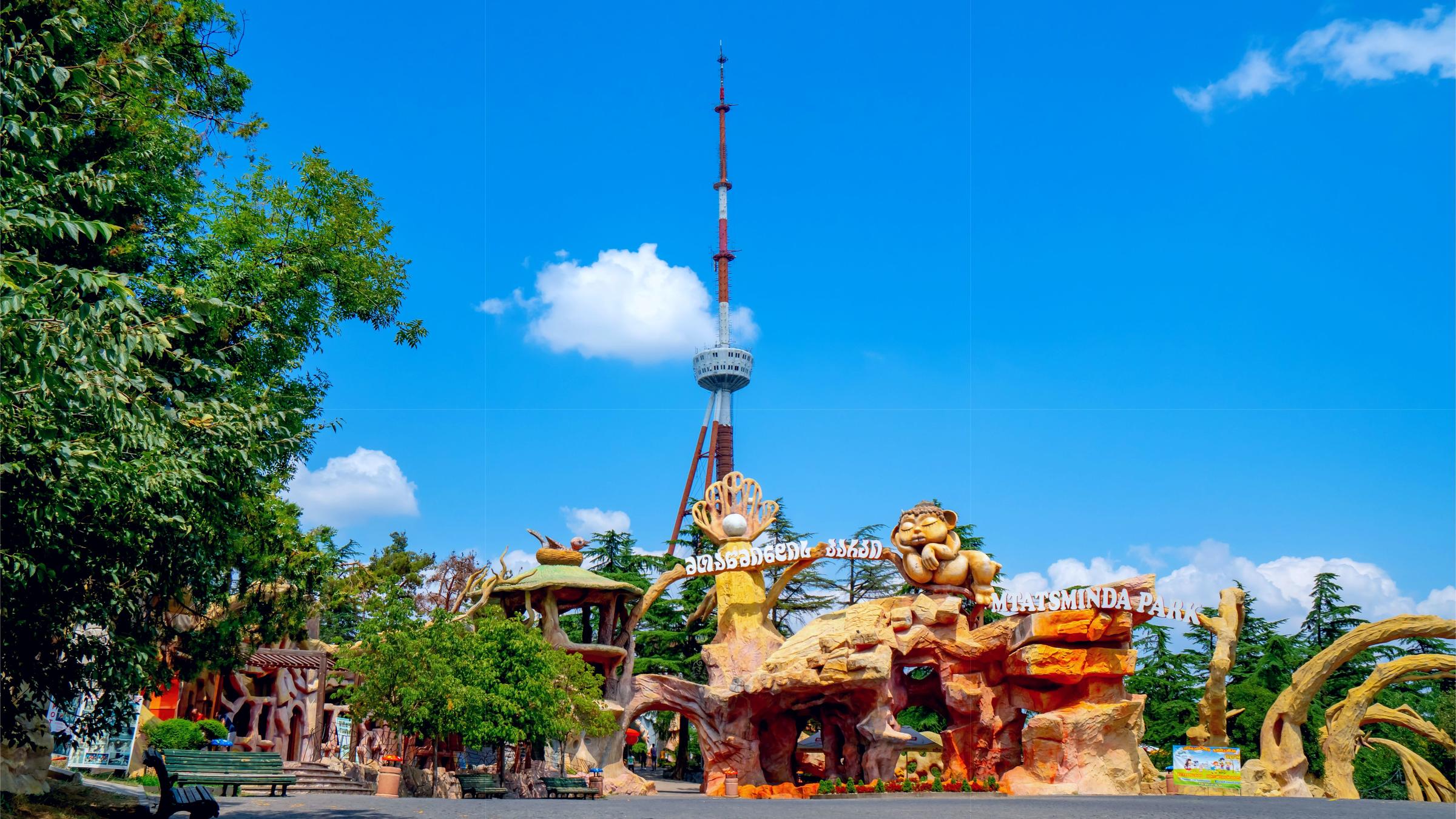
Mount Mtatsminda. In the afternoon, head up Mount Mtatsminda, one of Tbilisi's highest points. At the top is Mtatsminda Park, a historic park with restaurants, cafés, rides and areas for walking.
The main reason to include the site in the itinerary is the panoramic view of the city. On days with good visibility, you can make out the centre, the Mtkvari river and the neighbourhoods spread across the hills.
Tbilisi Funicular. The funicular is one of the most traditional ways to reach Mount Mtatsminda. Opened in 1905, it climbs the hillside and reaches the upper station within a few minutes.
During the ascent, the view over Tbilisi gradually widens. Check the operating hours and current fare before planning the visit.
Evening
Dinner at a traditional Georgian restaurant. To wrap up the second day, try Georgian cuisine. Among the best-known dishes are khachapuri, bread filled with cheese, and khinkali, filled dumplings usually eaten with your hands.
It is also worth trying satsivi, prepared with a walnut sauce, and Georgian wines made using traditional methods. Vera and the Rustaveli Avenue area have a range of restaurants and bars.
Day 3: Fabrika, Rustaveli and local culture
Morning
Fabrika. The suggestion for the third day is to start at Fabrika, a former sewing factory turned cultural complex. The space brings together a hostel, cafés, bars, shops, creative workshops and a courtyard decorated with street art.
The vibe is different from the historic attractions visited on the previous days. Fabrika represents Tbilisi's young, contemporary side and also works as a meeting point for locals and travellers.
Dry Bridge Market. Next, visit Dry Bridge Market, an open-air flea market known for the variety of objects found on its stalls. Among the items are antiques, coins, cameras, paintings, jewellery, Soviet-era pieces and local crafts.
The number of sellers can vary depending on the weather and the day of the week. Even for those not planning to buy anything, the market is worth a look for the objects tied to different periods of Georgian history.
Afternoon
Rustaveli Avenue. In the afternoon, walk along Rustaveli Avenue, one of Tbilisi's main streets. Along the way are theatres, museums, historic buildings, shops and some of the capital's most important institutions.
The architecture along the avenue is more formal than what you find in Old Tbilisi. The walk offers a look at another side of the city and shows how historic buildings sit alongside contemporary urban life.
Georgian National Museum. Located on Rustaveli Avenue, the Georgian National Museum has exhibitions dedicated to archaeology, history and the country's cultural heritage.
The collection spans different periods, from ancient civilisations of the region to the Soviet era. One of the highlights is the collection of gold pieces found at archaeological sites in Georgia. Check the opening hours before your visit.
Evening
Final walk through Old Tbilisi. To close out this 3-day Tbilisi itinerary, head back to the historic centre for one last walk. At night, the churches, bridges and buildings on the hills light up, creating a different landscape from the one seen during the day.
The lanes near Meidan Square, Abanotubani and the Mtkvari river are good options for the final walk. You can also use the area for dinner or to visit a Georgian wine bar.
Practical tips for visiting Tbilisi
Tbilisi has a relatively compact historic centre, but it also has slopes, stairs and attractions spread across different neighbourhoods. Old Tbilisi, Abanotubani, Metekhi and Rike Park can be explored on foot. For Sameba, Vera and Mtatsminda, public transport or an app-based ride can save time.
Getting around
- Old Tbilisi, Abanotubani and Metekhi can be explored on foot
- The cable car from Rike Park goes up to the Narikala area
- The metro or an app-based taxi make it easier to reach neighbourhoods further out
Tickets
- The cable car between Rike Park and Narikala has a separate fare
- Bath prices vary depending on the venue and the type of cabin
- Check the current fare for the Mtatsminda funicular at the ticket office
Best time to visit
- Old Tbilisi: in the morning, when the streets are quieter
- Narikala area: in the late afternoon
- Mtatsminda: before sunset to watch the light change
Best views
- Metekhi Church: historic centre and the Mtkvari river
- Narikala area: Old Tbilisi and Abanotubani
- Mtatsminda: panorama of the capital and the surrounding hills