Last updated: August 2026
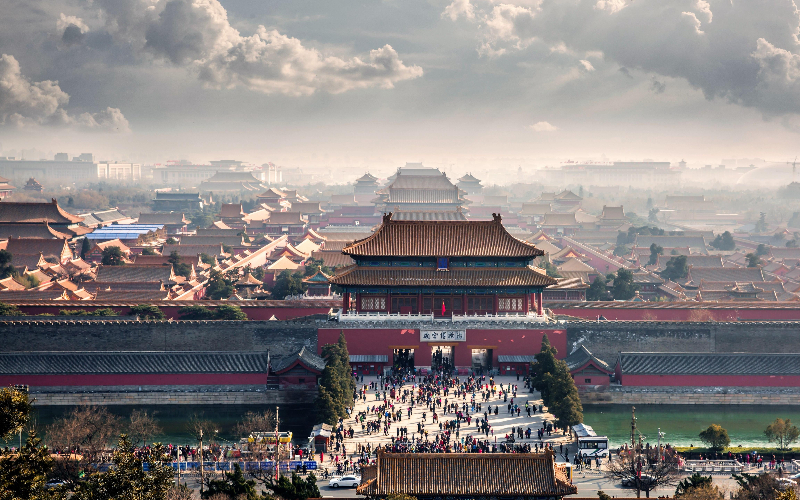
The Forbidden City is bigger than any photo suggests, and that was the first thing that struck me. There are nearly a thousand buildings inside a complex that for centuries was off-limits to ordinary people. Walking through those red and gold corridors is like stepping into another era: you feel the weight of every detail, from the curved roofs to the sculptures guarding each gateway. It was one of the visits I was looking forward to most in China, and it didn't disappoint.
What is the Forbidden City?
Officially called the Palace Museum, the Forbidden City was the residence of China's emperors for almost 500 years, from 1420 to 1912. It spans 72 hectares, 9,999 rooms according to tradition, and an architecture that balances grandeur and symmetry in a way that's unique in the world.
Is the Forbidden City worth visiting?
Yes, the Forbidden City is absolutely worth it and is one of the most memorable experiences of any trip to China. The scale of the complex, the imperial architecture and the historical weight of the place make this one of the most striking visits in Asia, ideal both for first-time visitors to Beijing and for those who want to explore Chinese history more deeply.
How to get to the Forbidden City
The main entrance is through the Gate of Heavenly Peace (Tiananmen), straight from Tiananmen Square. I arrived by DiDi, but the Forbidden City is also very easy to reach by metro. A heads-up: as at virtually every major attraction in China, there's security screening at Tiananmen Square and your passport is essential, so always carry it.
- Metro line 1, Tiananmen East or Tiananmen West station
- From the station to the entrance is about a 5-minute walk
Tickets
- Low season: ¥60 (~$9)
- The ticket price varies by season, check the current price on the official website
- Children: check the official website for the free entry policy, height or age requirements may vary by season
Tickets must be booked in advance online with a set date, because the number of daily visitors is limited and there are no sales at the gate. A tip that makes things much easier for foreigners: I booked through Trip.com, which is usually simpler than the official Chinese site, though the official site works too. Book ahead, especially in September and other busy periods.
How long to spend
- At least 3 hours for the main route along the central axis
- 4 to 5 hours to include the side exhibitions and the Imperial Garden
- If you have the time, a full day lets you explore without rushing
In my case, I spent about four hours walking through the courtyards and palaces, and even then I felt I could have stayed longer. The complex is enormous, so don't try to rush it.
What not to miss
- Hall of Supreme Harmony, the imperial throne hall, was what struck me most: the size and the surrounding courtyards are genuinely impressive
- Imperial Garden (Yuhuayuan), at the back of the complex, one of the most peaceful spaces of the visit
- Treasure Gallery, an exhibition of real imperial jewels and artefacts
Best time to visit
- Right at opening (8:30am), fewer crowds in the main halls and better light for photos
- When I went, in September, there were plenty of people, but the complex is so large that the crowds didn't get in the way
- Avoid weekends and national holidays, when the complex can get extremely crowded
Practical tips
- Arrive at opening, 8:30am, to avoid crowds in the main halls
- The official audio guide is good quality and covers the main points well
- Bring snacks, the on-site restaurants are expensive
- Book your ticket in advance, without a booking there's no entry