Last updated: August 2026
I did this China itinerary in August 2025, over 13 days, and it covers a route running from the centre of the country to the capital: Chongqing, Zhangjiajie, Furong, Fenghuang, Xi'an, Pingyao and Beijing. The logic was to start with the nature and historic villages of the interior and end with the imperial weight of Beijing, and in practice it worked very well, because you go from the most surprising and unknown to the most classic.
Almost all the travel was by train, which in China is fast, punctual and far simpler than it looks from the outside. The only exception was the Fenghuang to Xi'an stretch, which has no direct connection: I took a train to Tongren airport (Fenghuang Airport) and from there a flight to Xi'an. I went in August, which is summer, so prepare for heat, humidity and the domestic high season, with the attractions busier, especially at weekends. Even so, it was possible to do everything at a relaxed pace by organising the timings well.
13-day China itinerary: day-by-day overview
Day-by-day itinerary
- 3 days in Chongqing, futuristic city built between mountains
- 2 days in Zhangjiajie, Avatar Mountains and national park
- 1 day in Furong, historic village with waterfall
- 1 day in Fenghuang, ancient town on the riverbank
- 1 day in Xi'an, Terracotta Army and the Silk Road
- 1 day in Pingyao, preserved walled city
- 3 days in Beijing, Forbidden City and Great Wall
Chongqing: futuristic city built between mountains
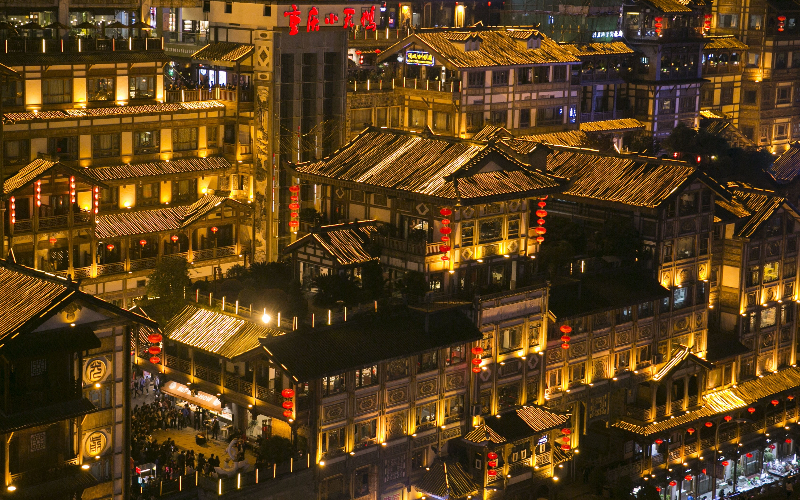
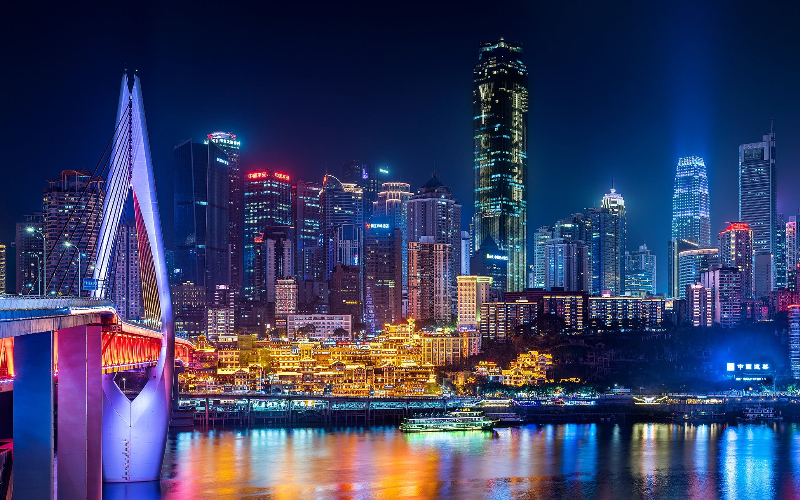
Chongqing was one of the big surprises of the trip. It doesn't top the Great Wall, but as a futuristic, illuminated city it's the most impressive I saw in China, and Hongya Cave at night looks like a cyberpunk film set.
Days 1–2Chongqing: city and landmarks
Hongya Cave, multi-storey historic complex built into the hillside, illuminated at night with traditional lanterns. One of the most photographed spots in Chongqing.
Kuixinglou Square, viewpoint that reveals the city's surprising vertical topography across multiple street levels.
Yangtze River, walks along China's longest river with views of the vertical skyline and the enormous bridges connecting the city's districts.
Day 3Wulong and Three Natural Bridges
Wulong, Three Natural Bridges, three natural stone bridges formed by the collapse of karst caves, each dozens of metres tall. One of the most impressive natural landscapes in China.
Zhangjiajie: Avatar Mountains and national park
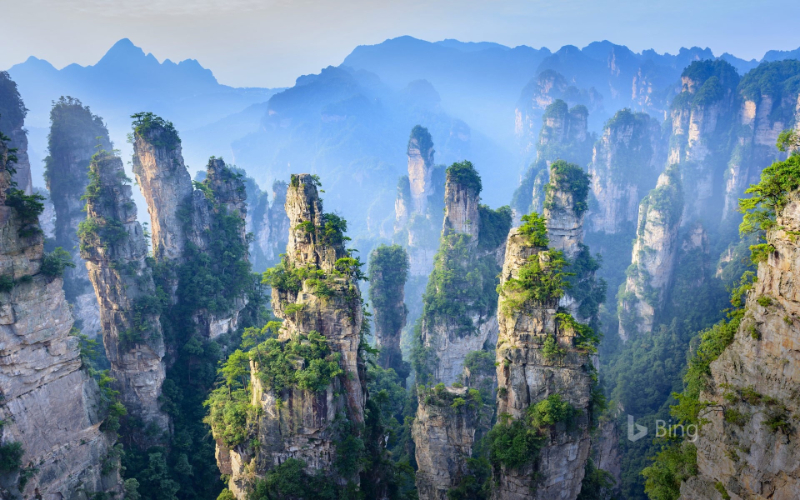
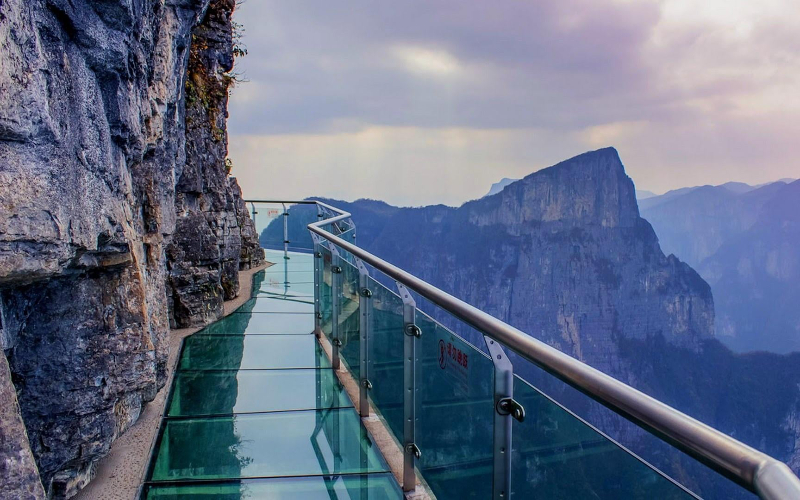
If I could, I'd have stayed up to four days in Zhangjiajie. The park is much bigger than it looks and deserves to be explored without rushing.
Day 4National Park and Avatar Mountains
Yuanjiajie (Avatar Mountains), area of the park with the sandstone pillars that inspired the floating planet Pandora in the film Avatar. Panoramic view over the floating peaks.
Tianzi Mountain, elevated viewpoint above the sea of clouds and the forest of stone pillars stretching across the national park.
Zhangjiajie Glass Bridge, one of the world's highest glass bridges, suspended between two peaks with views of the valley hundreds of metres below.
Day 5Tianmen Mountain
Tianmen Mountain (Heaven's Gate), mountain with a massive natural rock arch forming a gateway. Access by the world's longest cable car, with views across valleys and forest.
Furong: historic village with waterfall
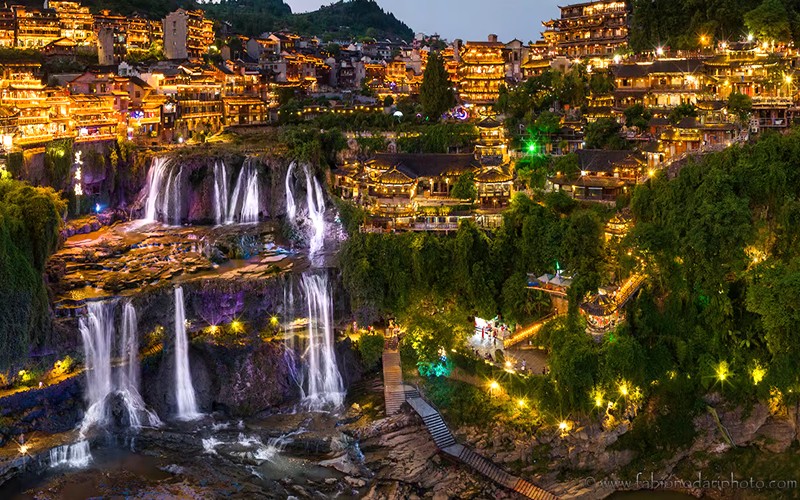
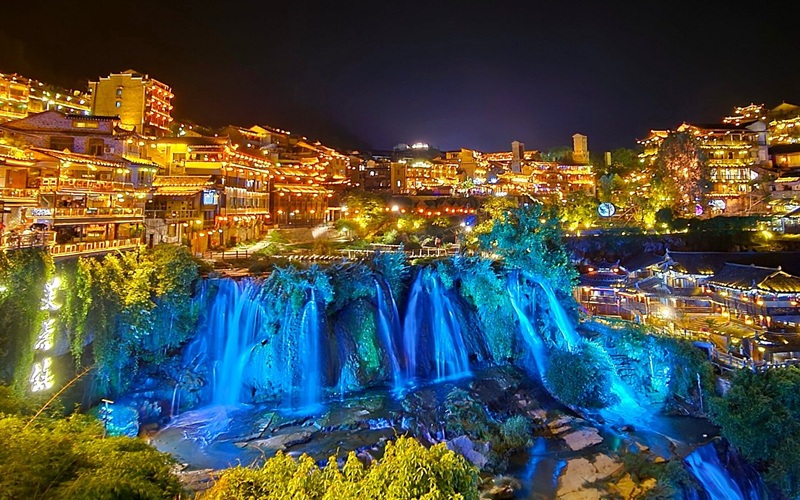
Furong was one of the most distinctive places on the itinerary, mainly because of the night spectacle in the village, with the illuminated waterfall right in the centre. It was unforgettable.
Furong Ancient Town, small historic village built on a cliff with a 60-metre waterfall flowing through the centre. The combination of traditional Tujia architecture and the natural waterfall creates a scene found nowhere else in China.
Wooden walkways beside the waterfall, paths running alongside the cascade with views of the traditional buildings and the valley below.
Viewpoints and traditional market, elevated spots above the village and local market with Tujia culture. At night, the illuminated historic buildings make Furong one of the most photogenic stops on the itinerary.
Fenghuang: ancient town on the riverbank
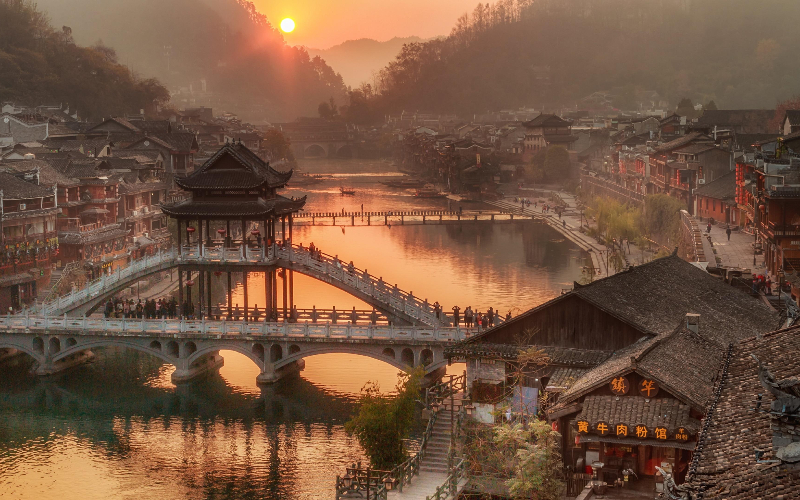
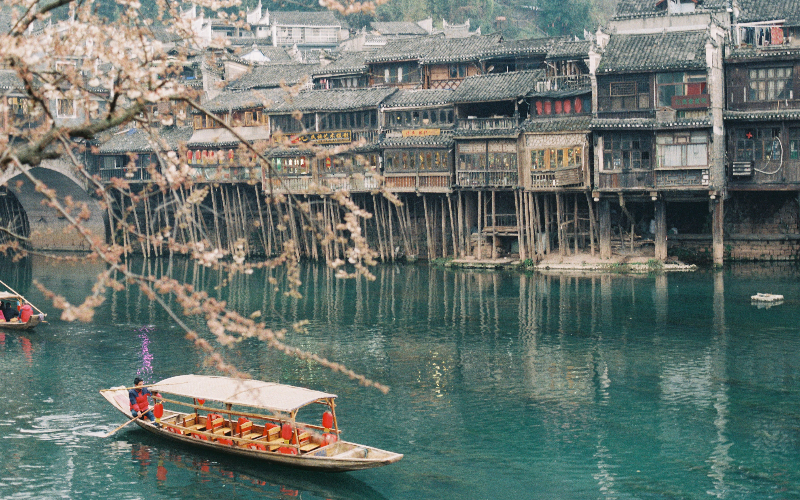
Fenghuang takes on a completely different mood once the lanterns come on. It's well worth setting aside time to walk through the town at night.
Fenghuang historic centre, stilt houses and cobblestone streets on the banks of the Tuojiang river, with traditional Miao and Tujia architecture preserved for centuries.
Wooden bridges over the Tuojiang river, historic crossings with views of the stilt houses and the water below reflecting the old town.
Ancient temples and old buildings, historic monuments along the riverbank, with night lighting that turns the town into one of the most photogenic settings on the itinerary.
At night, the lighting creates reflections on the river and reveals one of the most traditional and photogenic atmospheres in China.
Xi'an: Terracotta Army and the Silk Road
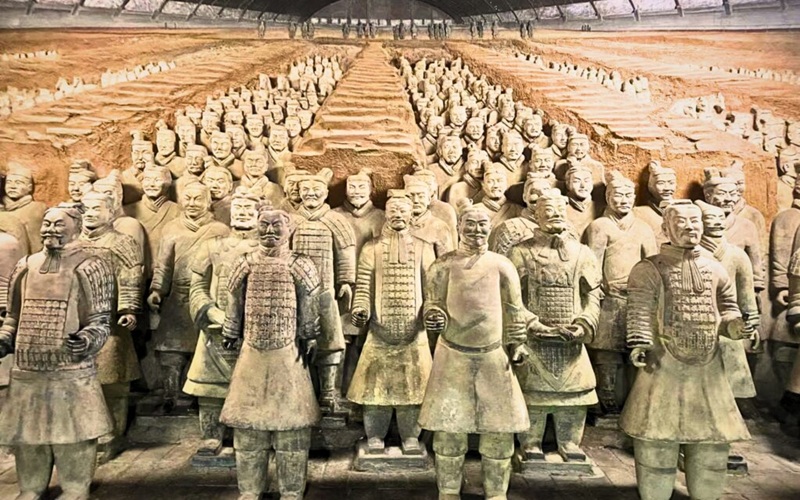
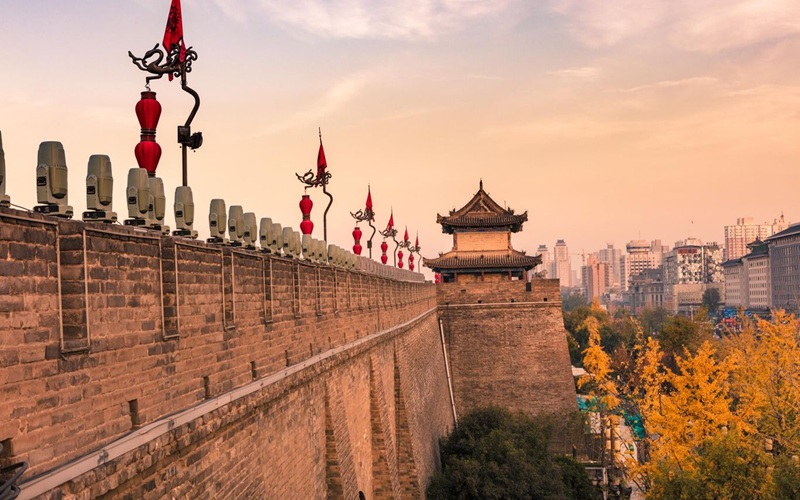
The Terracotta Army genuinely impresses, and it's worth setting aside time to see the whole complex at a relaxed pace, because each of the pits is different.
Terracotta Army, thousands of life-size warrior statues buried for over 2,200 years and unearthed in 1974. One of the greatest archaeological discoveries in history.
Ancient city wall, medieval wall encircling Xi'an's historic centre, walkable or cyclable along its full perimeter with views of both the old and new city.
Muslim Quarter, a maze of historic streets with century-old mosques, traditional markets and Silk Road cuisine.
Pingyao: preserved walled city
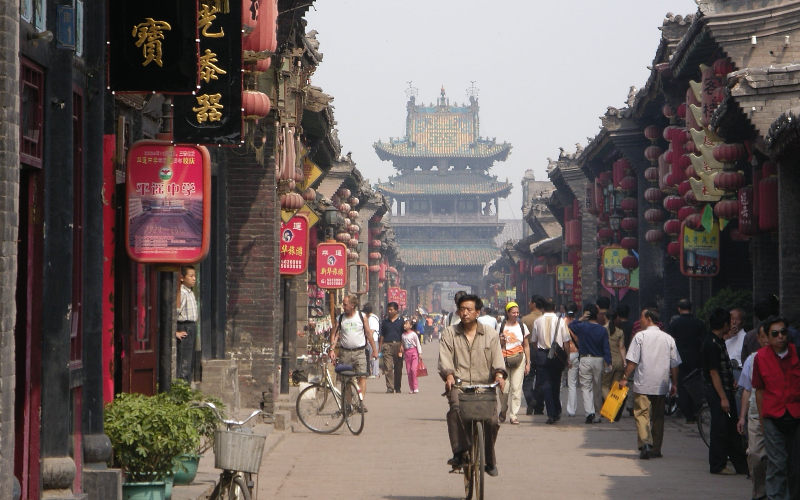
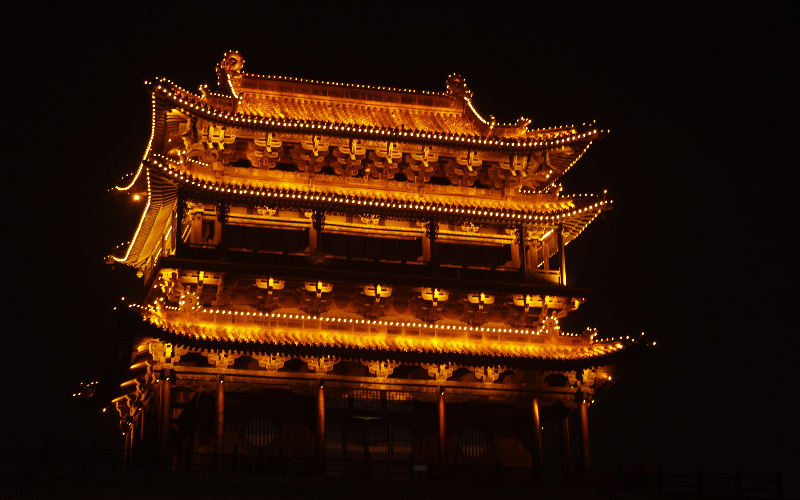
Pingyao was the most peaceful city on the itinerary and one of those that best preserved the atmosphere of ancient China.
Pingyao city walls, 14th-century imperial walls, a UNESCO World Heritage Site, with watchtowers and panoramic views over the historic centre.
Cobblestone streets and historic merchant houses, preserved Ming dynasty architecture with traditional courtyards and centuries-old shop fronts.
Rishengchang Exchange Shop, China's first draft bank, founded in 1823, now a museum that reveals Pingyao's role as the financial capital of imperial China.
Beijing: Forbidden City and Great Wall
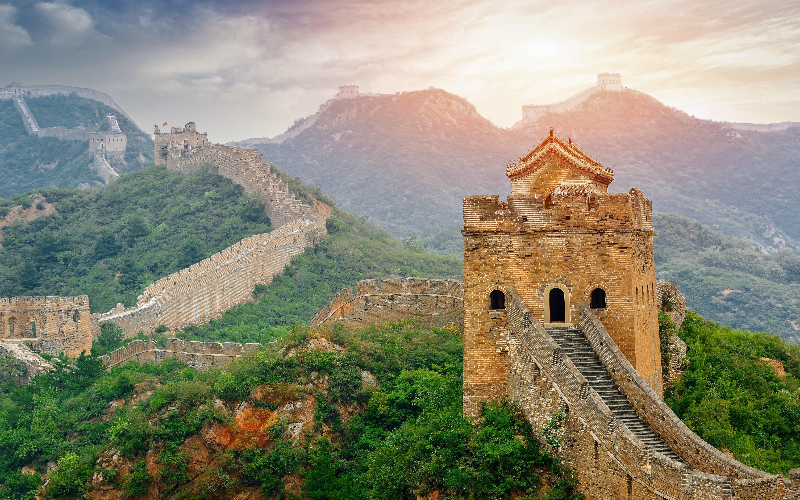
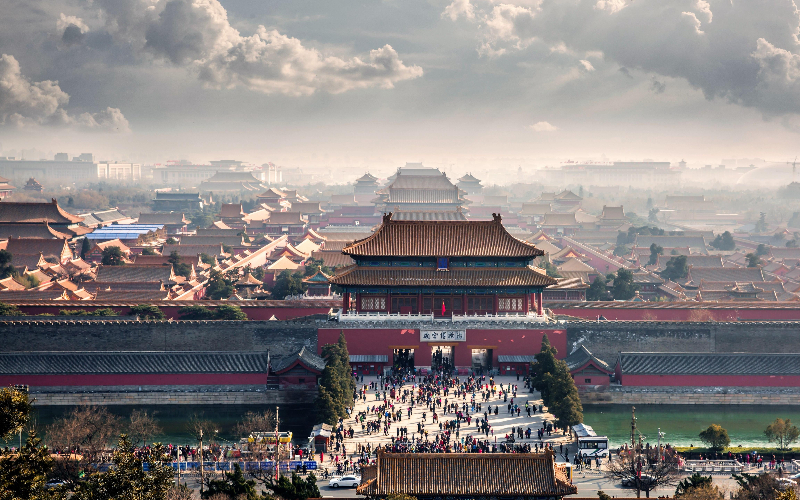
Beijing exceeded my expectations, with the Forbidden City and the Summer Palace, but it was the Great Wall at Mutianyu that stood out as the highlight of the entire trip.
Days 11–12Beijing: imperial palaces and squares
Forbidden City, the ancient imperial palace with 9,999 rooms across 72 hectares, home to China's emperors for nearly 500 years. Entrance through Tiananmen Square.
Tiananmen Square, one of the world's largest public squares, with the portrait of Mao Zedong at its northern end and the Monument to the People's Heroes at the centre.
Summer Palace, imperial complex of gardens, lakes and pavilions 15 km from the city centre, considered the most harmonious of China's imperial palaces.
Day 13Great Wall
Great Wall of China, Mutianyu, one of the best-preserved sections, about 90 minutes from Beijing with fewer crowds than Badaling. Access by cable car or steep hike, with views over forested valleys.
Planning your trip to China: essential tips
Before starting this itinerary across China, it's important to understand some practical aspects of the trip. Unlike most destinations, China has its own ecosystem, apps, internet, payments and transport all work differently from the rest of the world, and a little preparation goes a long way.
Essential apps
- Alipay and WeChat, indispensable, I used both to pay for everything
- Trip.com, I used it to buy the train tickets online
- Didi, China's equivalent of Uber, sorts out getting around within cities
- Baidu Maps or Apple Maps, since Google Maps doesn't work well in China
Internet & VPN
- Google, Instagram and WhatsApp are blocked in China
- I used a VPN (Surfshark), but any reliable VPN does the job
- Install and test the VPN before travelling, it's harder to download once in China
- I used an Airalo eSIM, and some plans already come with a built-in VPN
How to pay
- China is practically without physical cash
- I linked my card to Alipay and WeChat Pay without any complication
- With the apps set up, I paid for everything from restaurants to the metro without needing cash
- Set up and test the apps before arriving, it's what makes the trip easiest
Transport and documents
- High-speed train, the main way between cities, fast and punctual
- I bought the tickets online via Trip.com, with no need for a counter
- Always carry your passport, it's required to buy and board the train
- You need it the whole time, including at the entrance to several attractions