Last updated: August 2026
Chongqing was my gateway into China in August 2025, and it was one of the big surprises of the trip. It doesn't look like any other city: it's built between mountains and rivers, with buildings stacked on multiple levels and streets that cross at different heights. At first you can even get lost, but that's part of the charm. I stayed four nights: I arrived one afternoon, used two full days to explore the city, did a day trip to Wulong on a third day and headed to Zhangjiajie the next morning. Here's how I organised those days, with what's worth it and some practical tips I picked up along the way.
A warning that applies to the whole trip if you go in August like me: Chongqing is one of the hottest and most humid cities in China, and during the day the heat is intense. It doesn't make anything impossible, but I'd leave the longer walks and the viewpoints for late afternoon and evening, when the weather is much more pleasant. And on top of that, the city is far more beautiful lit up.
3-day Chongqing itinerary: what to do day by day
Day-by-day itinerary
- Day 1, Historic centre, viewpoints and main urban attractions (evening: Hongya Cave and illuminated skyline)
- Day 2, Day trip to Wulong and Three Natural Bridges (evening: Grand Theatre and city views)
- Day 3, Ciqikou, temples and historic neighbourhoods (evening: Raffles City and illuminated skyline)
City centre and main attractions
Morning
Jiefangbei Pedestrian Street
Chongqing's most famous commercial hub, with busy streets, shops and the iconic Liberation Monument at the heart of the city.
Kuixinglou Square
An elevated square that reveals Chongqing's unique geography. It was one of the things that impressed me most in the city: the different levels and the urban views don't quite make sense until you see them in person. Getting around here is confusing at first, but that's part of the charm.
Luohan Temple
Traditional Buddhist temple set in the heart of the modern area, creating an interesting contrast between past and present.
Afternoon
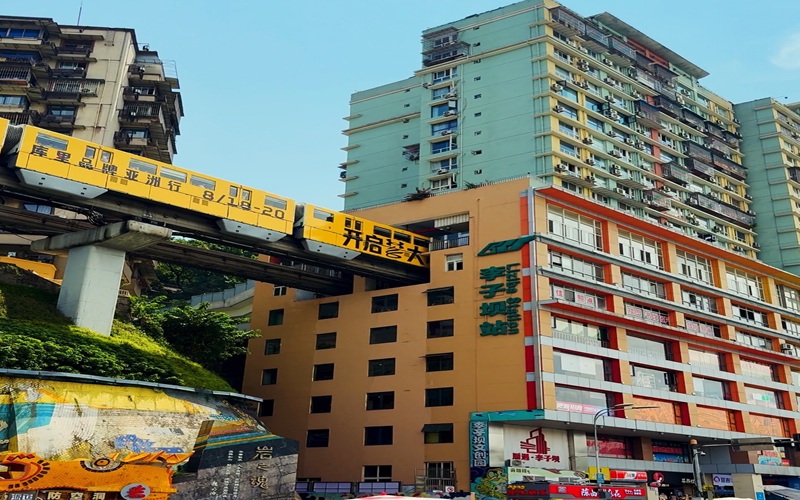
Liziba Metro Station
The famous station where the metro passes through a residential building. Many people treat it as a quick photo stop, but I think it's worth more than that: I took the metro and went through the building, and the experience really shows how different Chongqing is from everywhere else. I recommend actually riding it, not just photographing from outside.
Eighteen Stairs
Historic area with staircases, old architecture and an atmosphere that preserves the traditional character of the city.
Chongqing People's Assembly Hall
Monumental building with architecture inspired by the imperial Chinese style, set in a wide plaza.
Evening
Chongqing Food Street
This is where you try Chongqing hotpot, the city's signature dish. I tried it and liked it a lot, but here's an honest warning: it really is very spicy, so it works best for those who enjoy spicy food. It's part of the local culture and worth trying at least once.
Jiefangbei Pedestrian Street
At night, the area comes even more alive with lights, signs and intense activity.
Chongqing Art Gallery
Modern building with striking architecture and interesting lighting at night.
Daijia Lane Cliffside Trail
Suspended walkway with impressive night views of the rivers and the illuminated skyline.
Daijia Alley
Charming street with cafés and restaurants, combining old architecture with modern elements.
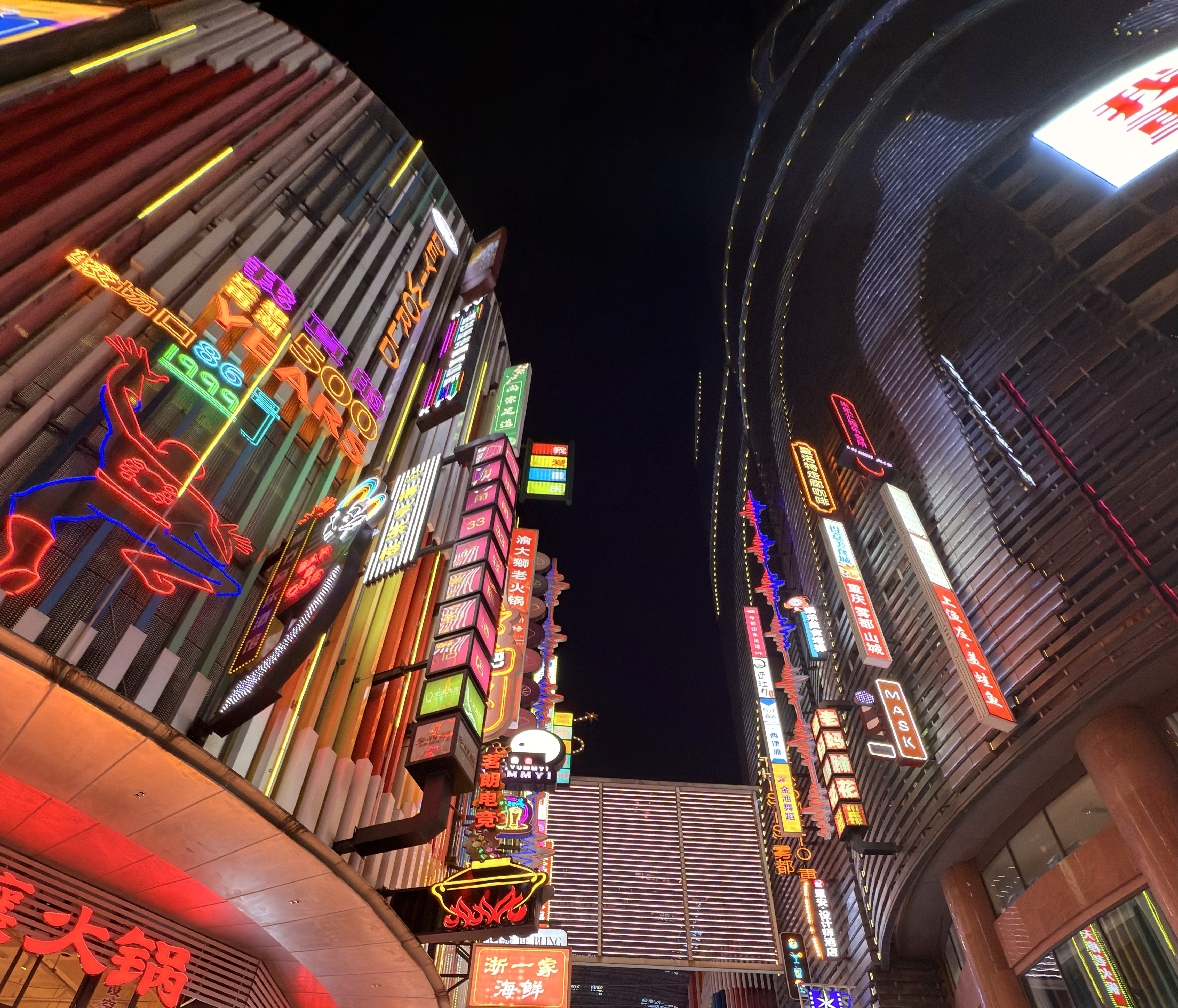
Hongya Cave
The highlight of the day and one of the most memorable of the whole trip. At night, fully illuminated, it looks like a cyberpunk film set. The tip that matters: go inside the complex, don't just admire it from outside. I explored the various floors from within, with shops and restaurants, and that's what makes it worth it. Even when crowded, the lighting and atmosphere make the visit unforgettable.
Raffles City Chongqing / The Crystal
Modern complex with futuristic architecture and a panoramic walkway between the towers.
Chaotianmen Square
The point where the Yangtze and Jialing rivers meet, with views of boats and the illuminated skyline.
Nature (Wulong)
Full day
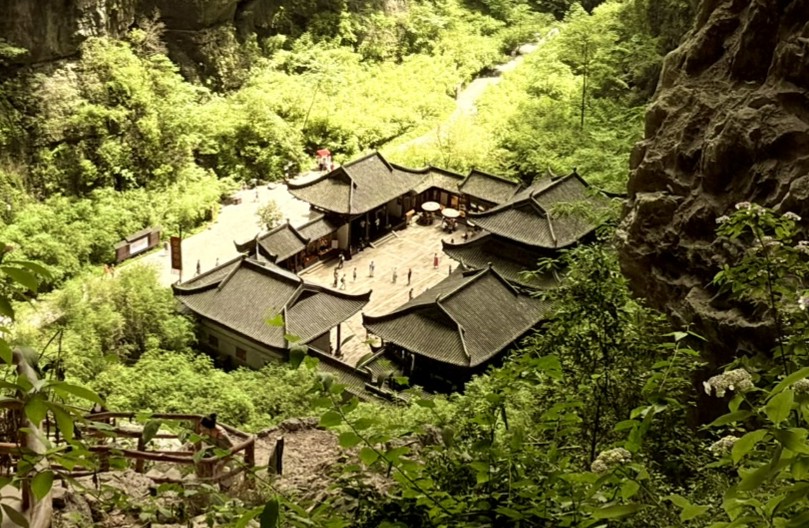
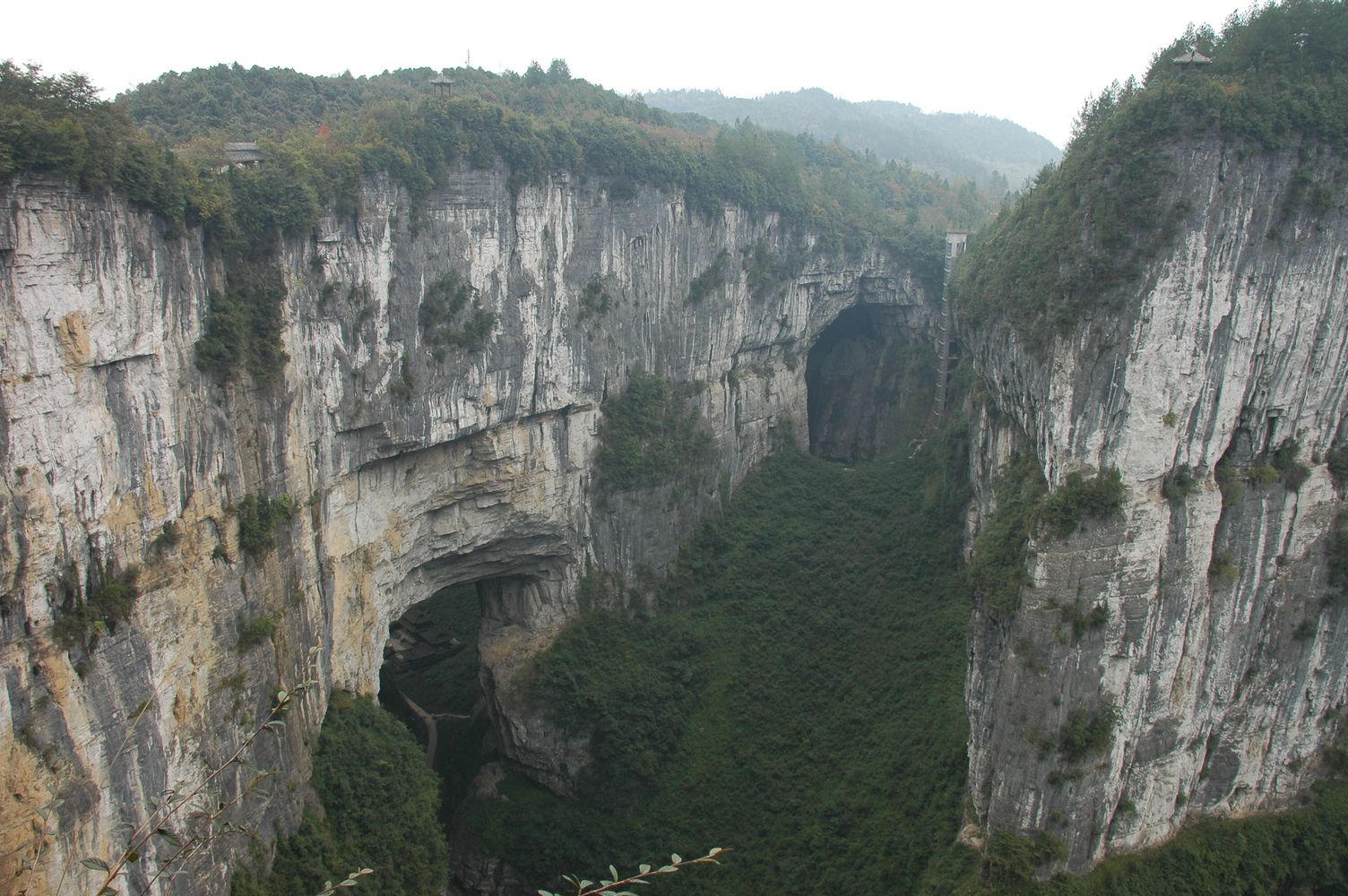
Three Natural Bridges (Wulong)
Giant natural stone arches formed by karst relief, one of the most impressive landscapes in China. I did the day trip on my own, without a tour, and the logistics aren't obvious, so here's the step by step: I took a train from Chongqing to Wulong and, from the station, a bus to the visitor centre; from there, another bus takes you to the Three Natural Bridges area. There are also direct buses from Chongqing, which may be more practical for some people. In total it's about 2 to 3 hours of travel, so leave early: it's a full day dedicated to Wulong.
Evening
Chongqing Grand Theatre
Modern area with a privileged view of the city's skyline and nighttime illumination.
Chengjianggai Road City Wall Park
Quiet park with preserved sections of the old city wall and river views at night.
Culture and historic neighbourhoods
Morning
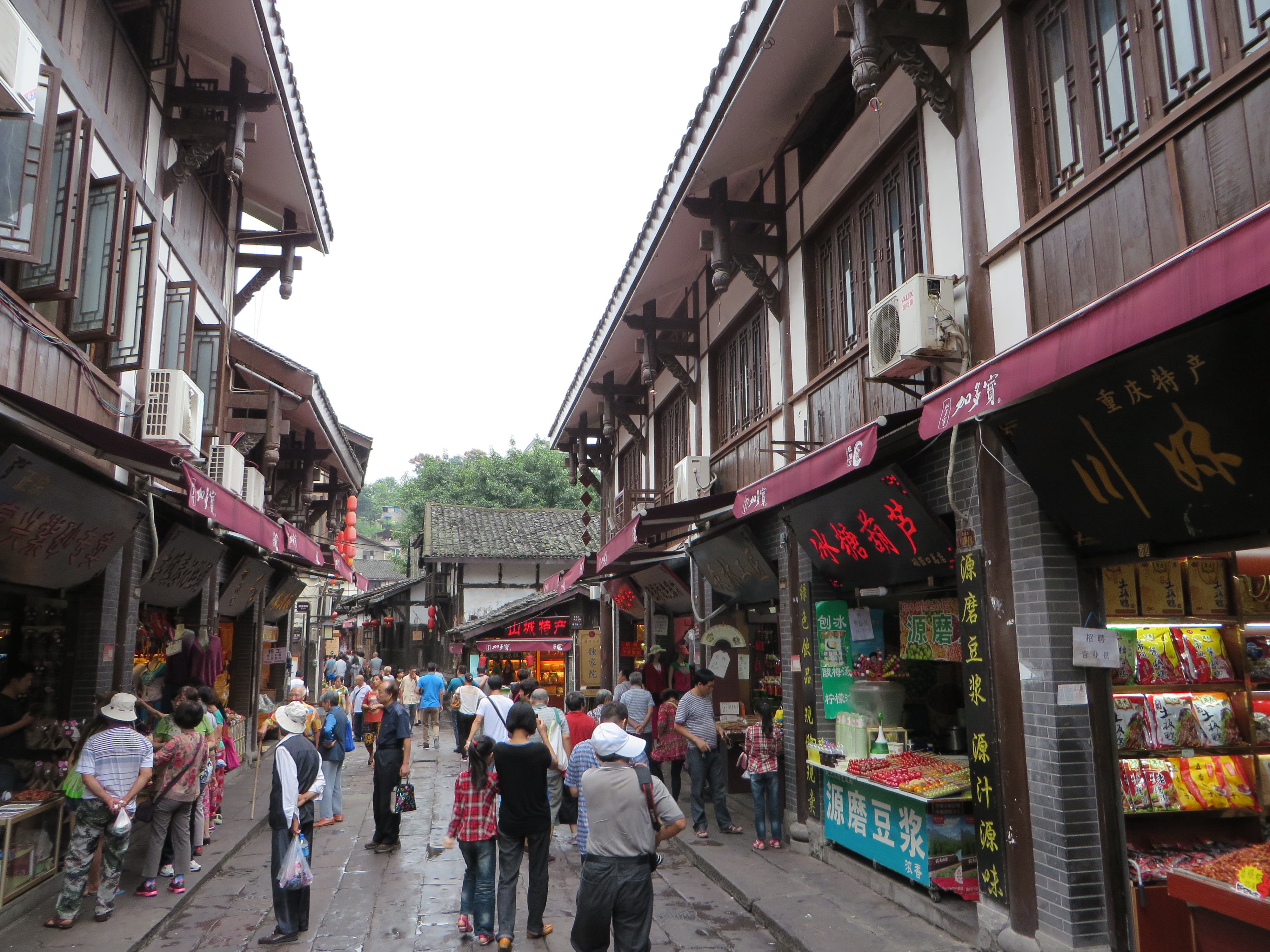
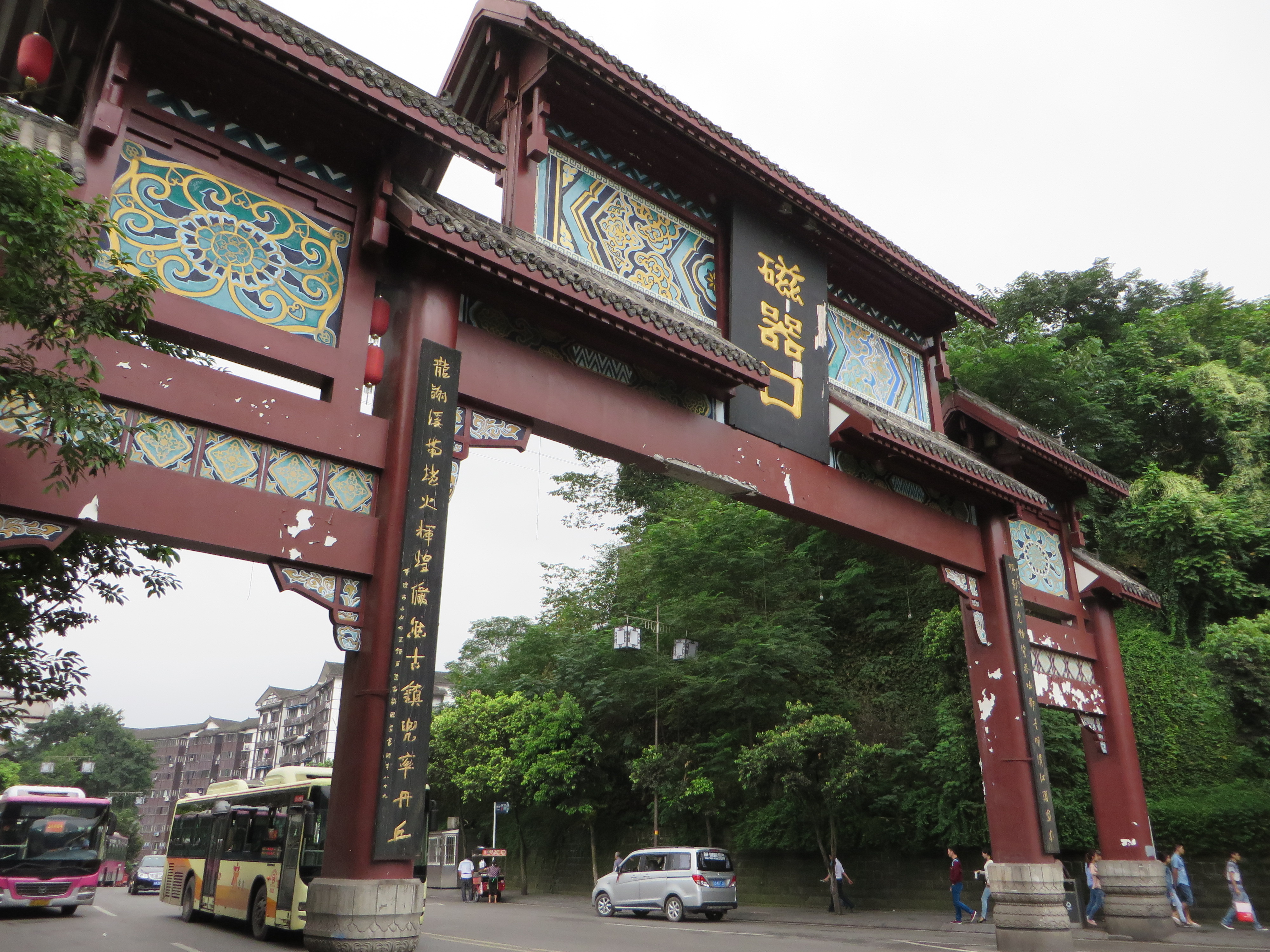
Ciqikou Ancient Town
A good stop to see the more traditional side of Chongqing, and the contrast with the futuristic part is what's most worth it here: old streets, traditional shops and a much calmer atmosphere. To be honest, it wasn't one of the most memorable spots in the city for me, but it's worth a visit if you want to balance the skyscrapers with a bit of history.
Afternoon
Chongqing Hong'en Temple
Temple in a quieter area with staircases and good views of the city.
Huguang Huiguan Guild Complex
Historic complex with traditional architecture, pavilions and cultural spaces reflecting the history of the region.
Evening
Raffles City Chongqing / The Crystal
A great spot to watch the sunset and the illuminated city, with a panoramic view of the central area.
Practical tips for visiting Chongqing
Chongqing is a metropolis built on hills, with a unique topography that sets it apart from any other city in China. Planning your days well avoids unnecessary tiredness from all the climbing up and down.
Getting around
- The metro connects the main areas well and is the most practical option
- Taxi and DiDi are useful for shorter trips between neighbourhoods
- Wulong is 2-3 hours away: I went on my own by train + bus, but there are direct buses from Chongqing
Tickets
- Hongya Cave: free access to the main structure
- Wulong Three Natural Bridges: paid ticket, with an internal bus to the bridges area
- Ciqikou Ancient Town: free entry
Best time
- Hongya Cave: visiting at night is essential, the lighting transforms the look
- Wulong: start early to make the most of the morning light on the bridges
- Ciqikou: morning or late afternoon, before the crowds
Best views
- Raffles City (The Crystal): panoramic view of the Yangtze and Jialing rivers
- Nanbin Road at night: illuminated skyline reflected on the river
- Wulong: the three natural bridges are one of the most impressive sights in China