Last updated: August 2026
Xi'an made it onto my itinerary for one main reason: the Terracotta Army, and it ended up being one of the attractions that most exceeded my expectations in all of China. The site is around 40 km from the centre and holds thousands of life-size warriors, buried over 2,000 years ago to protect China's first emperor in the afterlife.
I went on my own by DiDi, which took about an hour from central Xi'an. I found it far more practical than relying on a tour, and it wasn't expensive. When I visited in early September, the ticket cost around ¥120 (~$17), and given the importance and scale of the complex, I found it well worth it.
Xi'an 1-day itinerary: what to do day by day
Daily itinerary
Terracotta Army
Morning
Terracotta Army
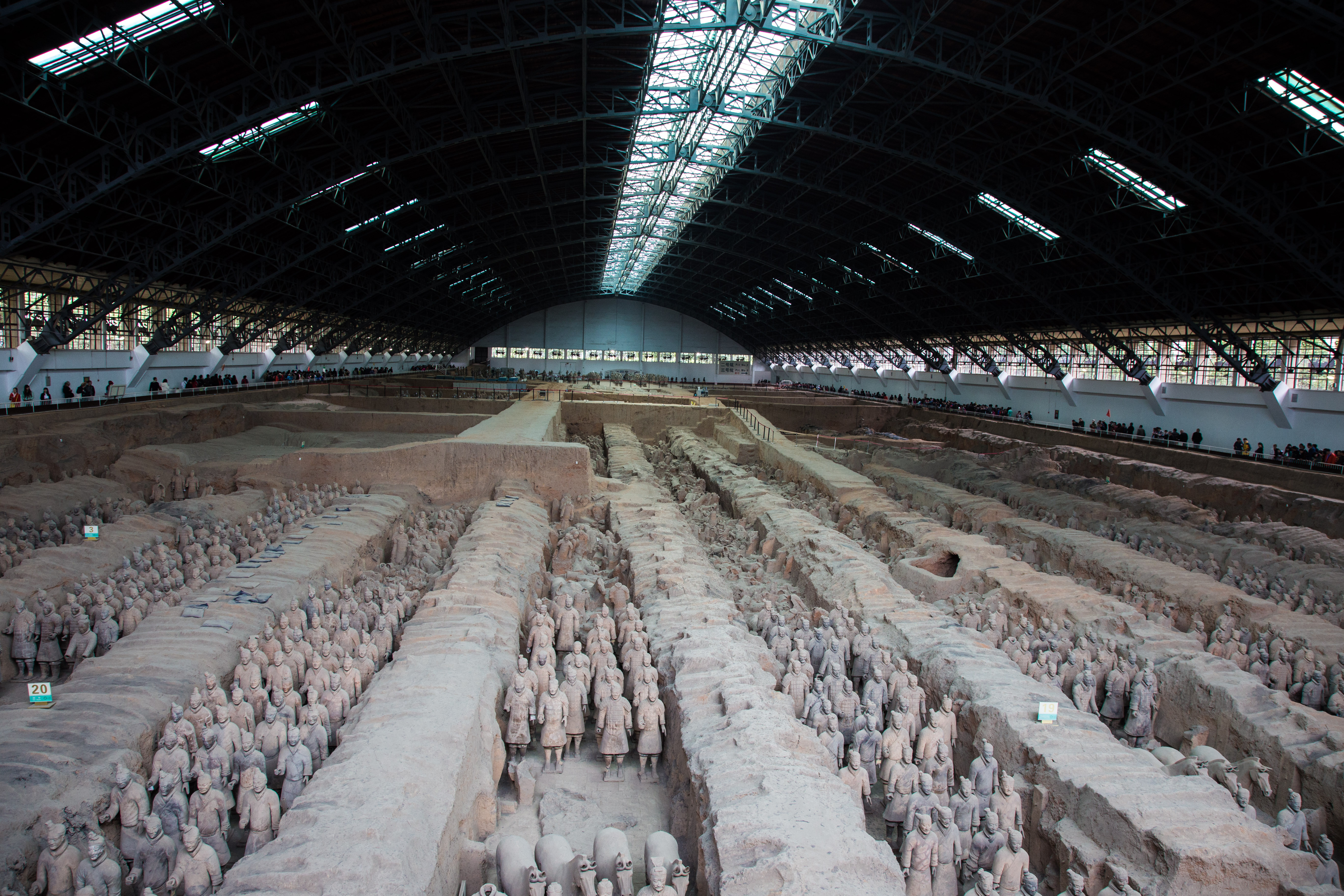
The complex is divided into three pits, and Pit 1 is the one that impressed me most. It's far bigger than it looks in photos, and seeing thousands of warriors lined up for the first time has an enormous impact; it was the real highlight for me. One thing that genuinely surprised me was the level of detail: every face is different from the next. Discovered in 1974, the site was built to protect China's first emperor in the afterlife.
Afternoon
Terracotta Army Museum Halls
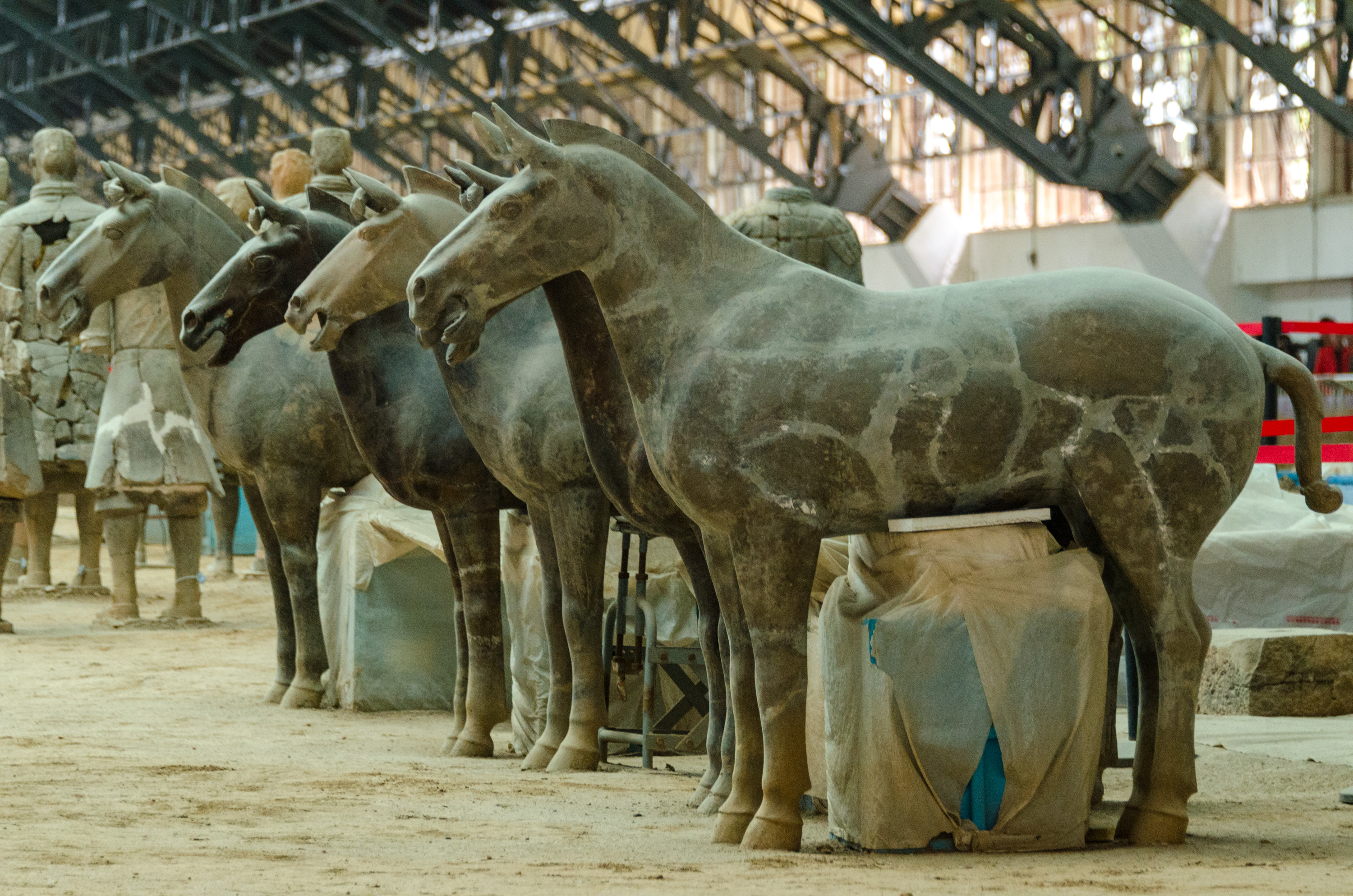
Pits 2 and 3 are smaller and quieter than Pit 1, but worth the visit because they help you understand how the complex was built and excavated. Don't expect the same impact as Pit 1, but they complement it well. You can observe up close the differences between the soldiers and the remarkable level of detail in the sculptures.
On the crowds
One thing that might surprise you: the Terracotta Army has a reputation for being one of the most crowded places in China, but when I went, on 1 September, I found it quite peaceful. There were visitors, of course, but the crowds never got in the way. The complex is so large that you can see all three pits at a relaxed pace and take photos without any difficulty.
How long to spend
I arrived in the morning and spent around five to six hours at the complex, leaving about 3pm. I found that the ideal amount of time to see all three pits without rushing. Afterwards I went back to Xi'an, where I stayed the night before heading to Pingyao the next day.
The rest of Xi'an
Worth mentioning: Xi'an has much more beyond the Terracotta Army, like the ancient city wall (one of the best preserved in China, you can walk or cycle along it) and the famous Muslim Quarter, with its street food. In my case, I dedicated the whole day to the Terracotta Army and didn't manage these two, but if you have more than one day in Xi'an, they're worth adding to the itinerary.
Practical tips for visiting Xi'an
Xi'an is a historic city with attractions spread between the urban centre and the Lintong area. With 1 day, focusing on the Terracotta Army should be the priority, leaving early makes all the difference.
Getting around
- I went by DiDi on my own, about 1 hour from the centre to the complex, practical and no tour queues
- You can also take the metro to the nearest station and then a bus
- The City Wall and Muslim Quarter are in the centre, for those with more than one day
Tickets
- Terracotta Army: around ¥120 (~$17) when I visited; booking online saves queuing
- City Wall: paid ticket, with the option to rent a bike at the top
- Muslim Quarter: free access to the streets and markets
Best time
- Terracotta Army: arrive in the morning and set aside 5 to 6 hours to see all three pits at a relaxed pace
- City Wall: visit in late afternoon to catch the sunset
- Muslim Quarter: liveliest in the early evening, with food stalls
Best views
- Pit 1 of the Terracotta Army: the largest and most impressive, the first sight is striking
- Top of the City Wall at sunset: panoramic view of the historic centre
- Big Wild Goose Pagoda at night: lighting and dancing fountains in the surroundings