Kyoto is the cultural heart of Japan and one of the country's most important destinations for those seeking tradition, history and Japanese architecture. The city brings together some of Japan's most famous temples and shrines, as well as preserved neighbourhoods that maintain the traditional way of life.
Japan's former imperial capital for over a thousand years, Kyoto holds one of the country's greatest historical heritages, with dozens of UNESCO World Heritage sites. Unlike Tokyo, the city has a quieter pace, focused on culture, temples, gardens and traditional experiences.
In 3 days, it is possible to visit Kyoto's main highlights in an organised way, exploring historic districts, iconic temples and natural areas such as Arashiyama.
3-day Kyoto itinerary: what to do day by day
Day by day
- Day 1 — Fushimi Inari, Higashiyama and Gion
- Day 2 — Arashiyama and Bamboo Grove
- Day 3 — Classic temples and northern Kyoto
Day 1 — Fushimi Inari and the historic centre
Morning
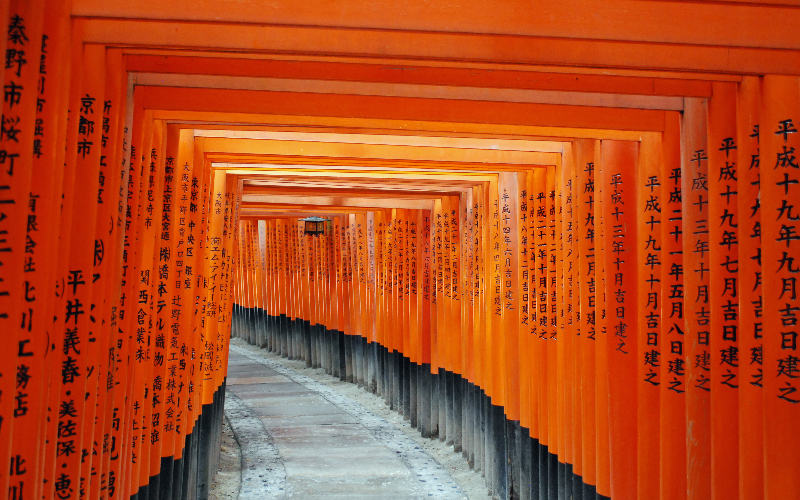
Fushimi Inari Taisha
One of Japan's most famous shrines, known for the thousands of red torii gates that form trails up the mountain. The walk can range from 1 to 2 hours, with different route levels, offering one of the most iconic experiences in the country.
Afternoon
Kiyomizu-dera
A historic temple built on a hillside, with a large wooden platform offering a panoramic view of Kyoto. It is one of the most visited temples in the city and one of Japan's most iconic landmarks.
Higashiyama
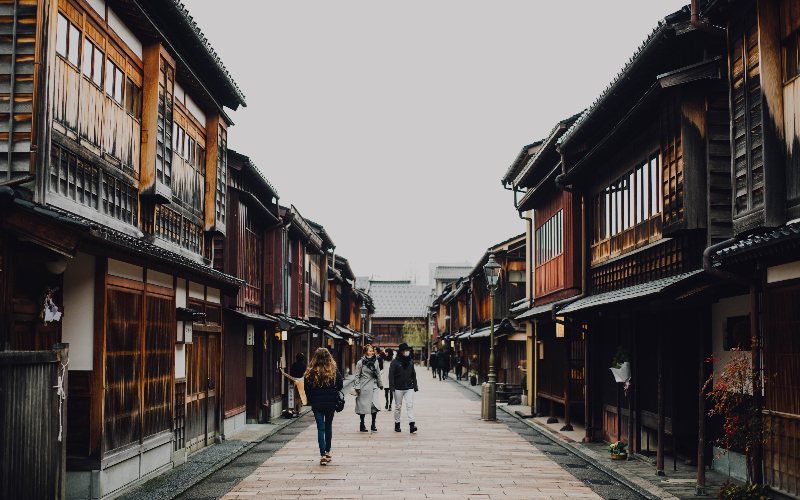
A traditional neighbourhood with preserved streets, old houses, shops and cafés. The area retains the style of old Japan and is ideal for a leisurely walk, exploring small shops and viewpoints.
Evening
Gion
Kyoto's most famous neighbourhood, known for geishas and traditional architecture. Walking through the streets at dusk is one of the city's most authentic experiences.
Day 2 — Arashiyama and nature
Morning
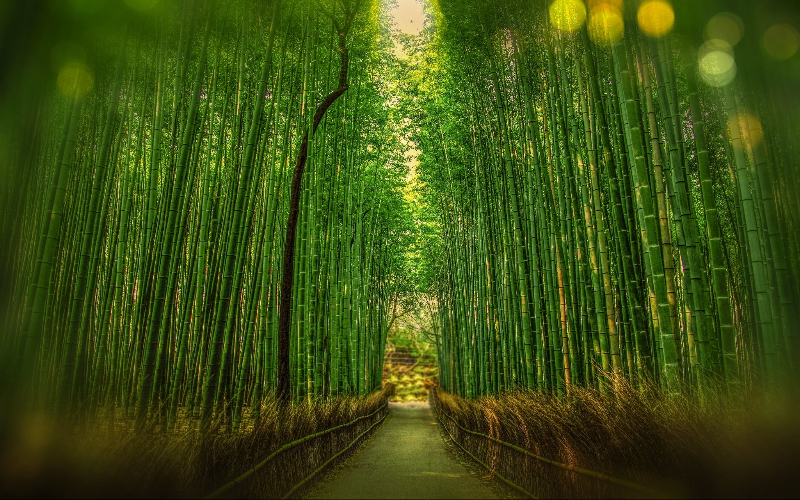
Bamboo Grove
One of Japan's most famous landscapes, with trails surrounded by tall bamboo that create a unique atmosphere. Arriving early is ideal to avoid crowds.
Afternoon
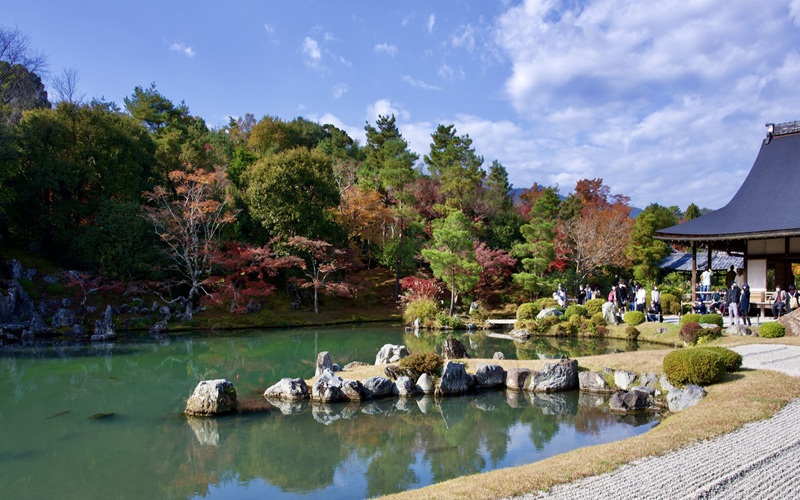
Tenryu-ji Temple
A Zen temple with traditional gardens, listed as a UNESCO World Heritage site. The garden is one of the visit's highlights.
Katsura River
A natural area with trails, a bridge and beautiful scenery. It is one of the best places to relax and enjoy a calmer side of Kyoto.
Evening
Central Kyoto
Areas such as Kawaramachi and Pontocho offer good restaurant options and a livelier atmosphere at night.
Day 3 — Classic temples
Morning
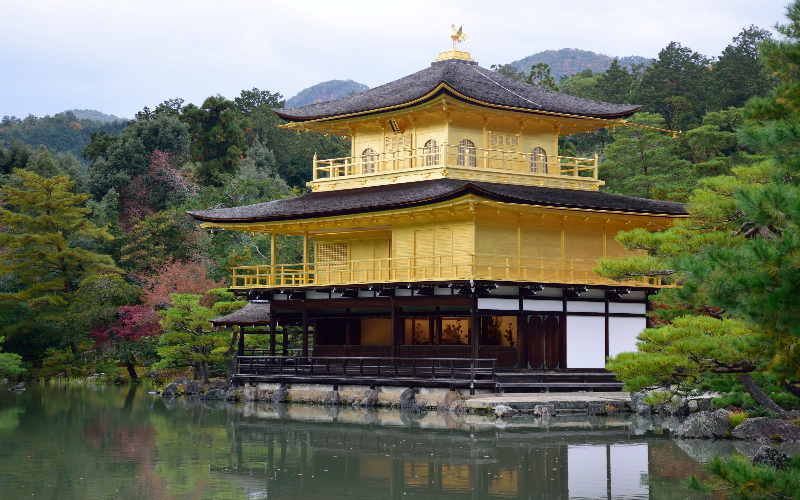
Kinkaku-ji (Golden Pavilion)
One of Japan's most famous temples, covered in gold leaf and surrounded by a lake. It is one of the most visited sites in the city.
Afternoon
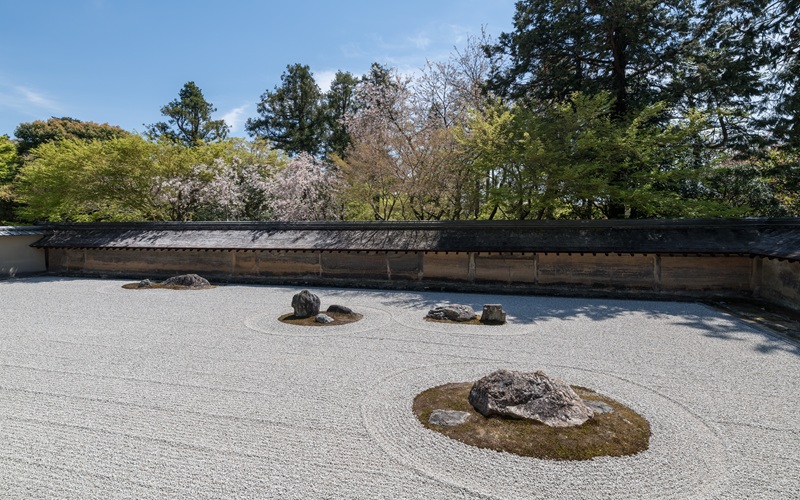
Ryoan-ji
A temple known for its Zen rock garden, considered one of the most important in Japan.
Northern Kyoto
A quieter area with fewer tourists and less busy temples, ideal for a more relaxed experience.
Evening
Exploring local neighbourhoods
Use the last day to revisit areas or discover new places, exploring Kyoto at a more relaxed pace.