Last updated: August 2026
The Dolomites are one of those places where the trip starts before you even reach the attractions. Roads surrounded by huge mountain walls, clear lakes, small churches set among the Alps and some of the most impressive landscapes in Italy are all part of the journey.
My trip to the Dolomites began on June 28, 2026, right at the start of the European summer. I stayed in San Vigilio di Marebbe and did all my traveling by car. From there I got to know Seceda, Val di Funes, Tre Cime di Lavaredo, Lago di Braies, other lakes in the region and some of the most beautiful alpine passes in the Dolomites.
In this guide, I share my 4-day itinerary through the Dolomites, with the places I visited, the roads I drove, prices, parking and practical tips for planning a trip to the region.
4-Day Dolomites Itinerary: Day-by-Day Overview
Day-by-Day Route
- Day 1 in Seceda and Val di Funes, mountains, viewpoints and small churches surrounded by the Alps
- Day 2 at Tre Cime di Lavaredo, a circuit around one of the most famous landscapes in the Dolomites
- Day 3 at Lago di Braies and other Dolomites lakes, Dobbiaco, Landro and Misurina
- Day 4 along the Dolomites' roads, Passo Gardena, Rifugio Friedrich August, Passo Sella, Città dei Sassi and Passo Giau
Seceda and Val di Funes
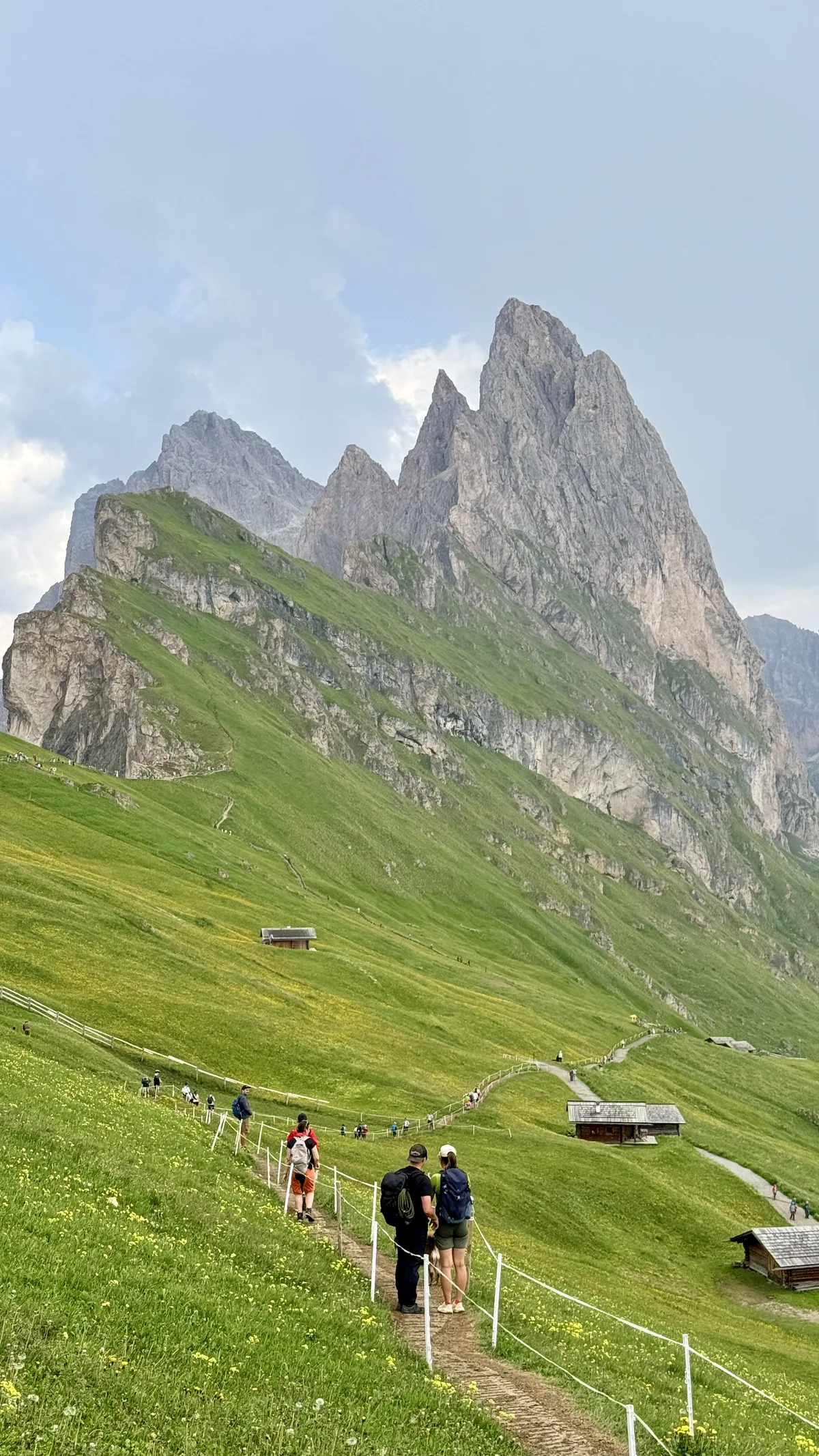
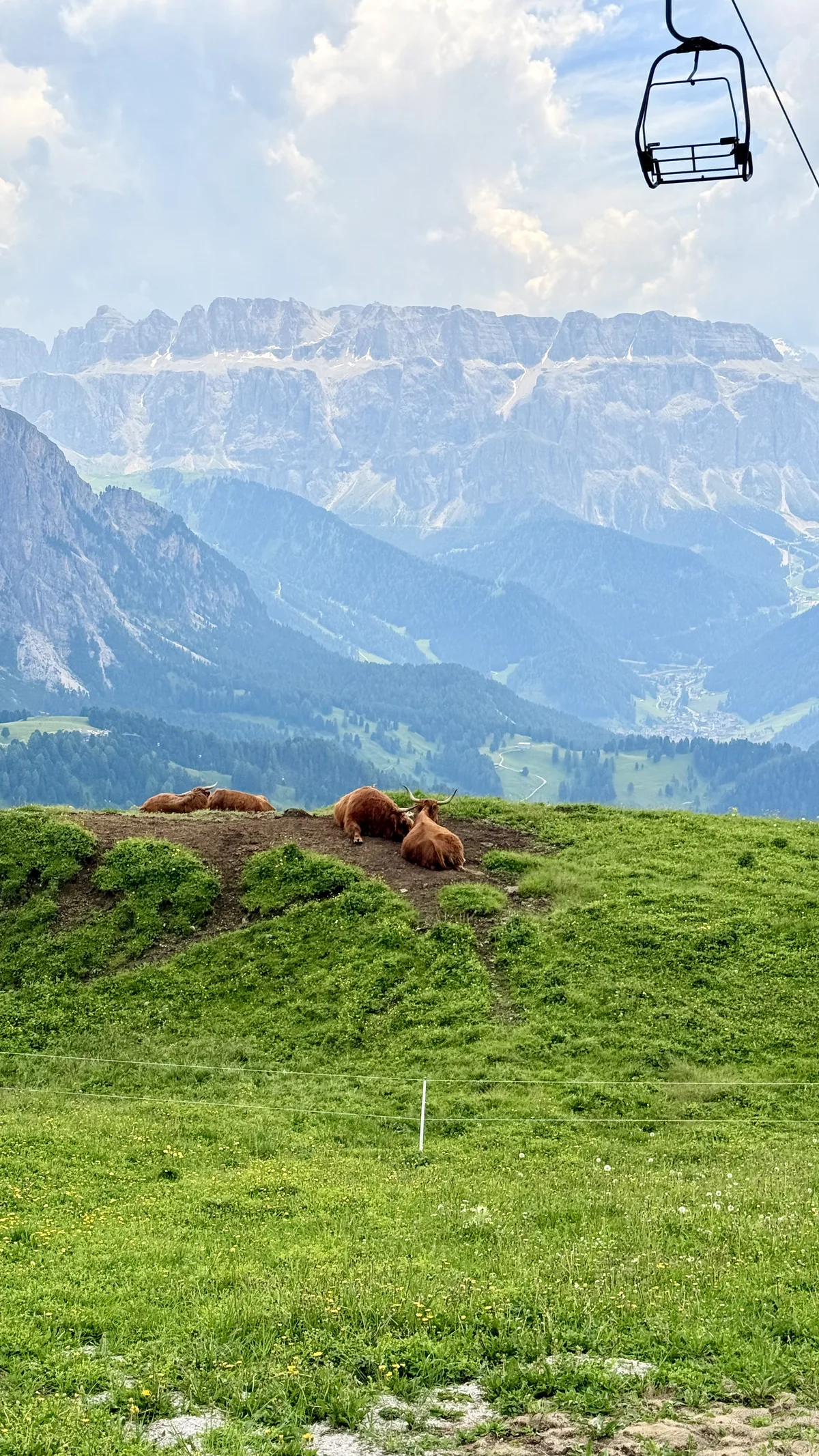
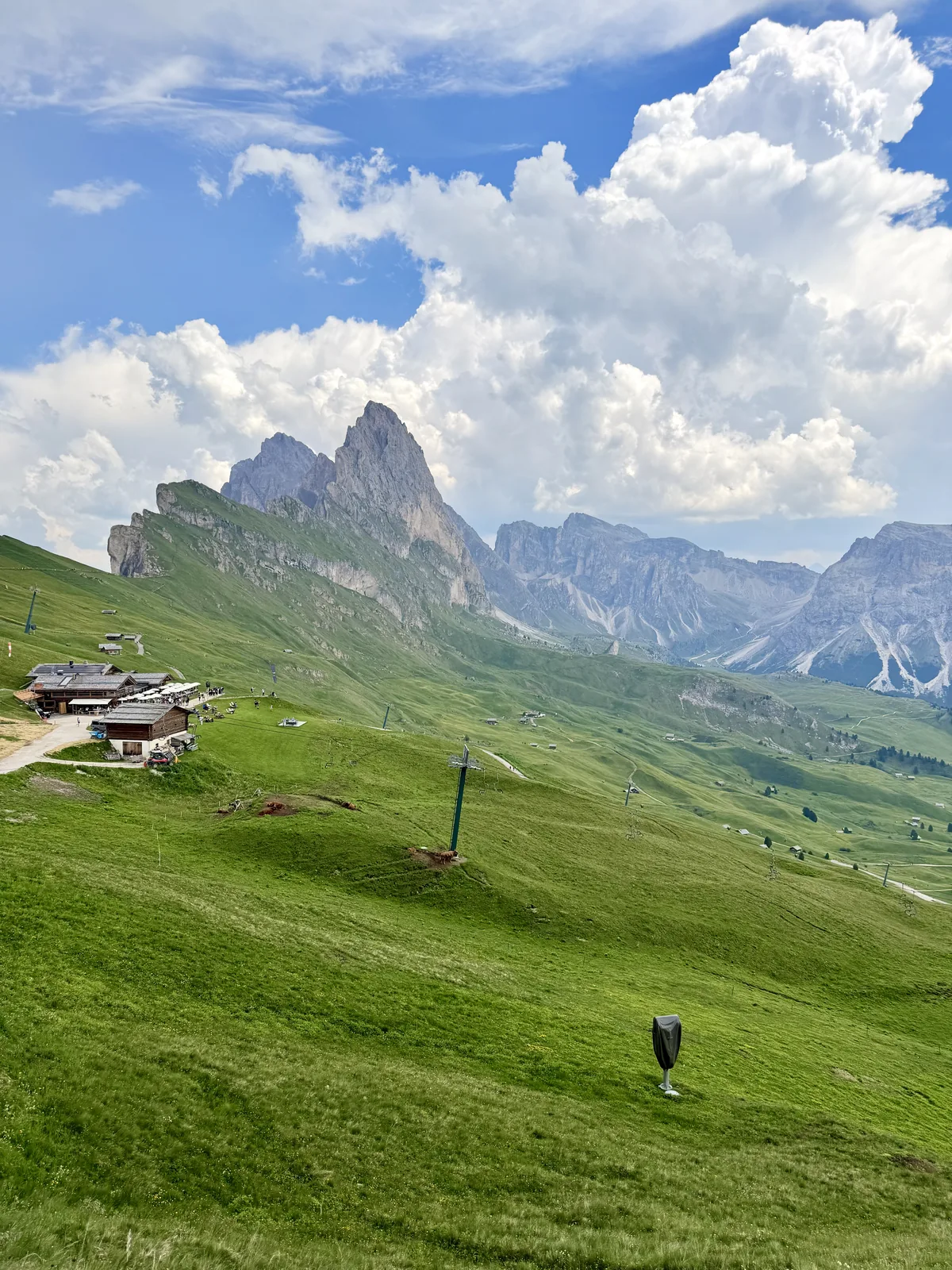
The first day combines two of the best-known landscapes in the Dolomites. In the morning, the itinerary starts in the mountains of Seceda and then continues to the fields and small churches of Val di Funes.
Leaving San Vigilio di Marebbe, it took me roughly 1 hour 15 minutes to 1 hour 30 minutes by car to reach Ortisei, where the cable car access to Seceda is located. I left early to arrive in the area before the cable car opened and make the most of the morning.
Seceda: the climb starts in Ortisei and happens in two stretches. First, the cable car goes up to Furnes, and from there, another stretch continues on to Seceda. The full climb takes roughly 25 to 35 minutes, depending on the connections.
At the top, I walked to the famous viewpoints along the ridge, where the huge rocky peaks appear that make Seceda one of the most recognizable landscapes in the Dolomites.
I set aside a few hours to walk around the area and take in the mountains from different points. In the morning, especially in the first hours after the cable cars opened, I found the experience quieter.
How much does it cost to go up to Seceda? In the summer 2026 season, the adult ticket for the Ortisei → Furnes → Seceda route and back the same way costs €74 round trip. That's roughly R$445 per adult, depending on the euro exchange rate at the time of the trip.
The ticket can be bought through Seceda's official channels. For a summer trip with set dates, I'd buy the ticket roughly a month ahead.
I'd also recommend arriving in Ortisei early and deciding beforehand which parking area you'll use.
Santa Maddalena: after coming down from Seceda, I drove to Val di Funes. One of the main stops is Santa Maddalena, a small village surrounded by green fields and the Odle mountains. It's one of the most classic landscapes in Val di Funes and one of the images I most associated with the Dolomites even before the trip.
Panoramaweg: this offers one of the best perspectives of Santa Maddalena and the mountains behind it. I parked in the central area of Santa Maddalena and continued on foot. In roughly 10 to 15 minutes you can already reach some of the panoramic points.
San Giovanni in Ranui: the last big stop of the day, a small church set among the fields and surrounded by mountains. There's parking nearby and the walk to the viewing point is short.
The parking areas I used in Val di Funes were paid on-site and didn't require an advance reservation.
After the visit, I drove back to San Vigilio di Marebbe.
Tre Cime di Lavaredo
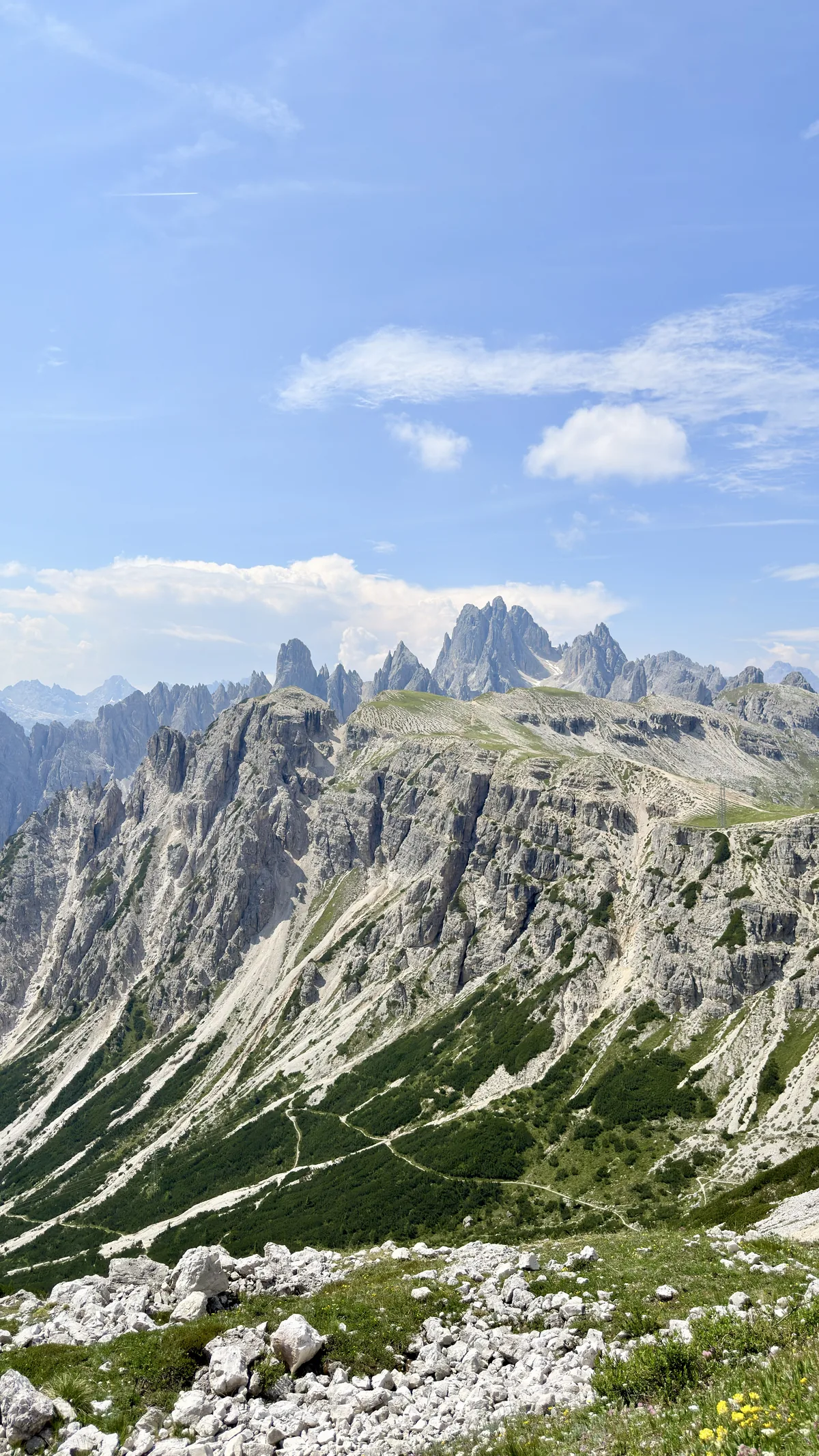
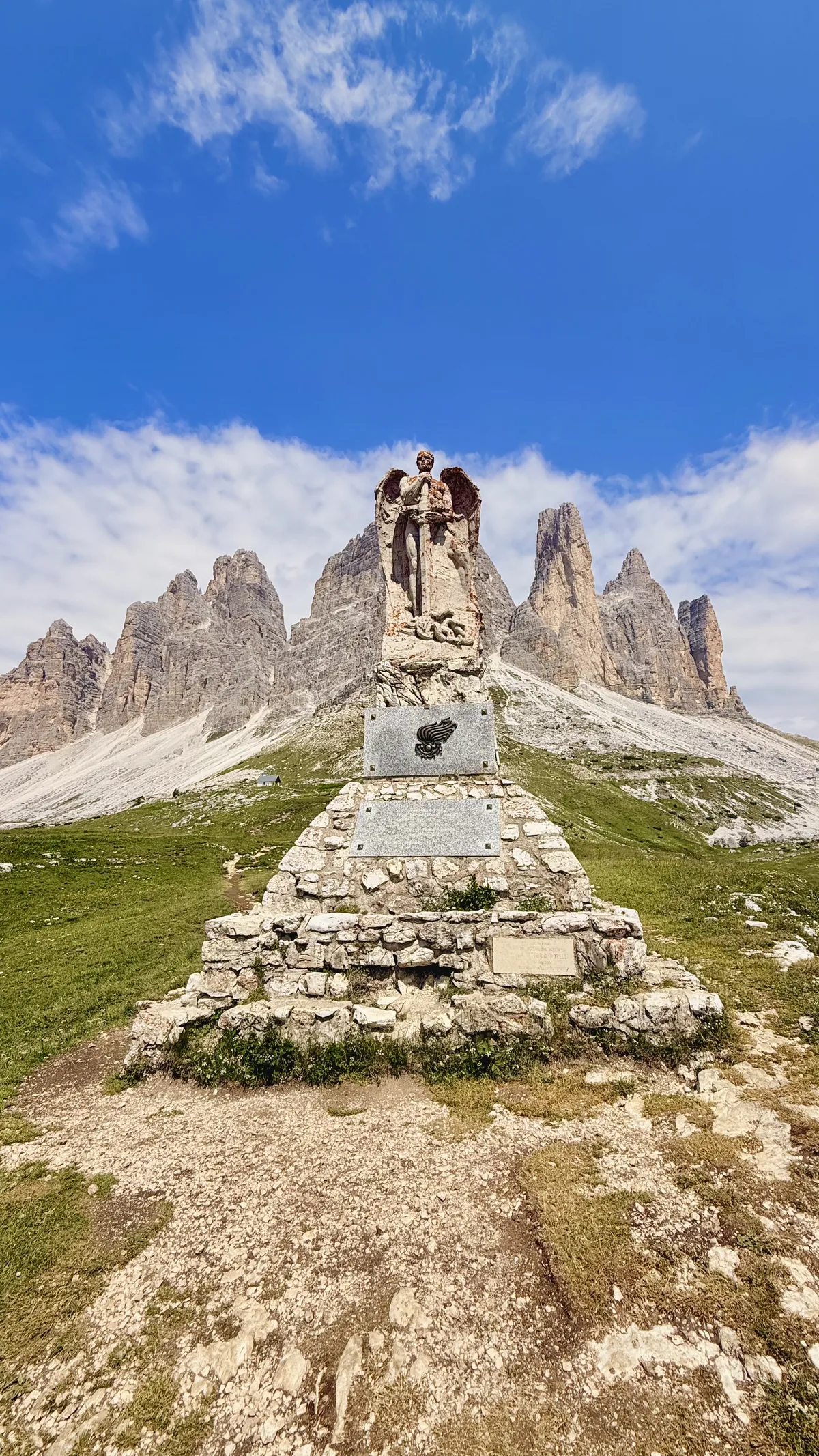
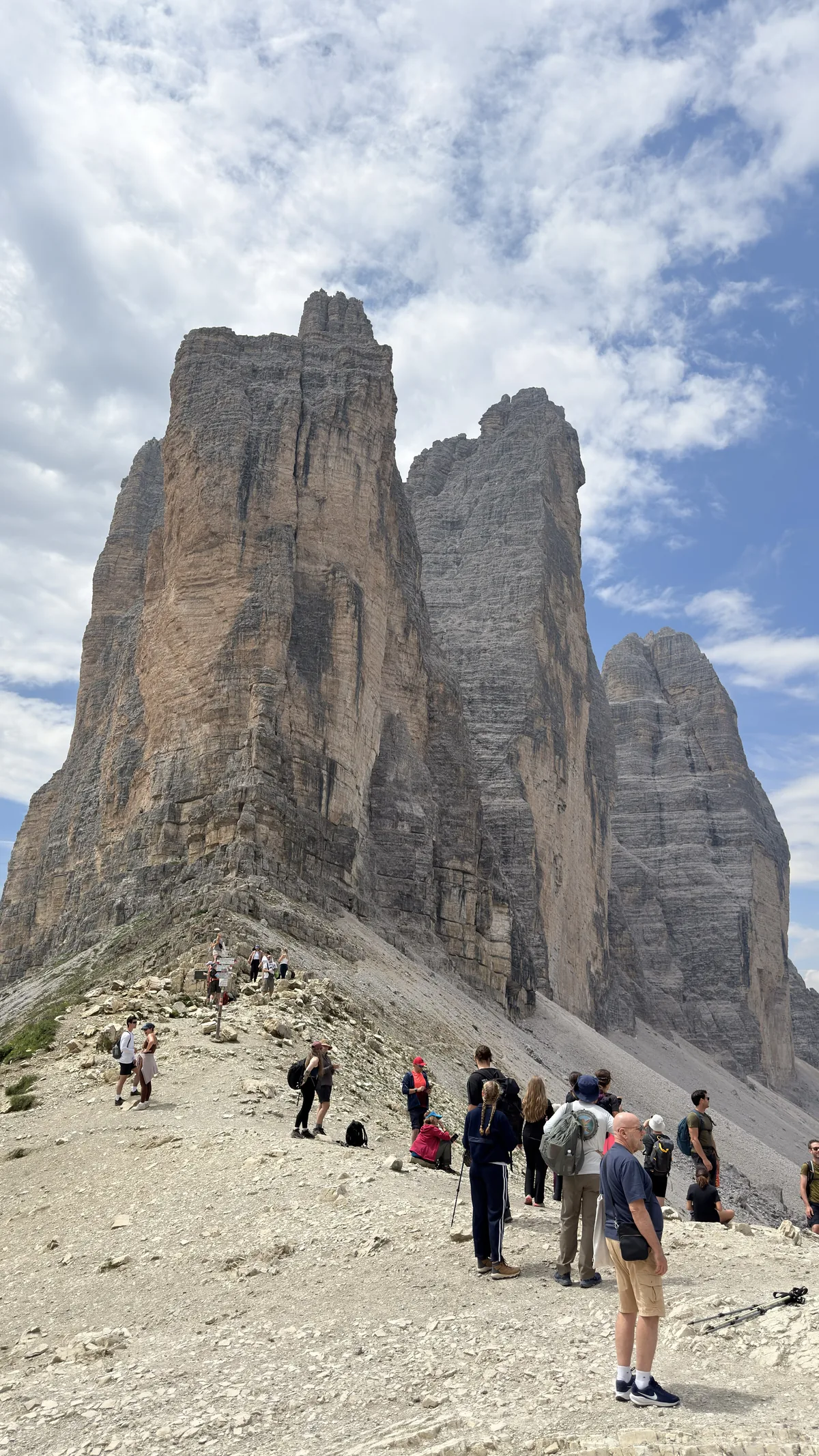
The second day is dedicated to Tre Cime di Lavaredo, one of the most famous landscapes in the Dolomites and one of the places I most wanted to see on the trip.
Leaving San Vigilio di Marebbe, it took me roughly 1.5 hours by car to reach the Rifugio Auronzo area. I recommend leaving early. Besides making better use of the day, the parking area and the trail get busier as the morning goes on.
How much does parking at Tre Cime di Lavaredo cost? In 2026, the official rate for cars is €40, roughly R$240. The fee allows access via the road up to the parking area near Rifugio Auronzo, where the Tre Cime circuit begins.
Do you need to book parking for Tre Cime? Yes. Car access to the Tre Cime di Lavaredo parking area requires an advance online reservation through the official channels of the municipality of Auronzo di Cadore. This is one of the parts of the trip I wouldn't leave to sort out once I was already in the Dolomites.
If your trip is planned for summer and you already know which day you plan to visit Tre Cime, I'd try to book roughly a month ahead, especially for busier dates.
What Is the Tre Cime di Lavaredo Trail Like?
The circuit takes roughly 3 to 3.5 hours, depending on pace and the number of stops. It's not just a walk to see the three mountains from a single viewpoint. Throughout the route, the landscape keeps changing and there are several interesting spots. These were the main places I found along the circuit.
Rifugio Auronzo: this is the starting point of the hike. The circuit begins here, and even in the first stretches, big views of the surrounding mountains appear.
Cappella degli Alpini: shortly after the start of the trail, this is a small chapel located right beside the path. It's a quick stop before continuing toward Rifugio Lavaredo.
Monumento ai Bersaglieri, an optional stop along the route, is tied to the region's military history.
Rifugio Lavaredo: this is one of the main refuges found along the circuit. It sits just before the climb toward Forcella Lavaredo and is a good spot for a short break.
Forcella Lavaredo: this is one of the most important points on the trail. It's here that one of the classic views of Tre Cime appears, where you really get a sense of the scale of the three enormous rock formations.
Malga Langalm: continuing the circuit, this offers another perspective of Tre Cime. The landscape changes a lot in this part of the hike and lets you see the mountains from a different angle than at the start of the trail.
Forcella del Col de Mezzo: appearing in the final part of the circuit, this is one of the last major points before returning to Rifugio Auronzo.
After completing the trail, I drove back to San Vigilio di Marebbe.
Lago di Braies and the Dolomites Lakes
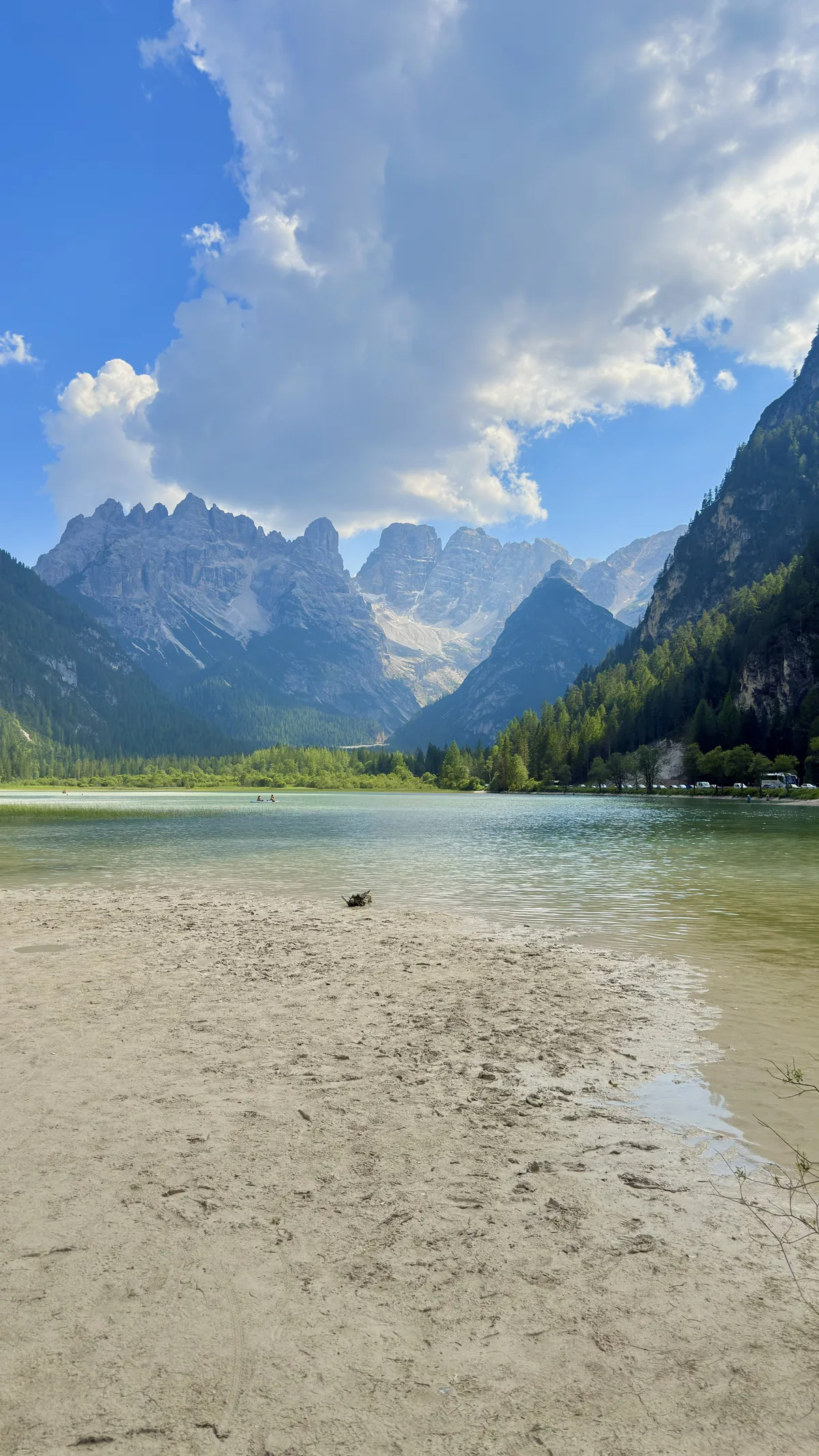
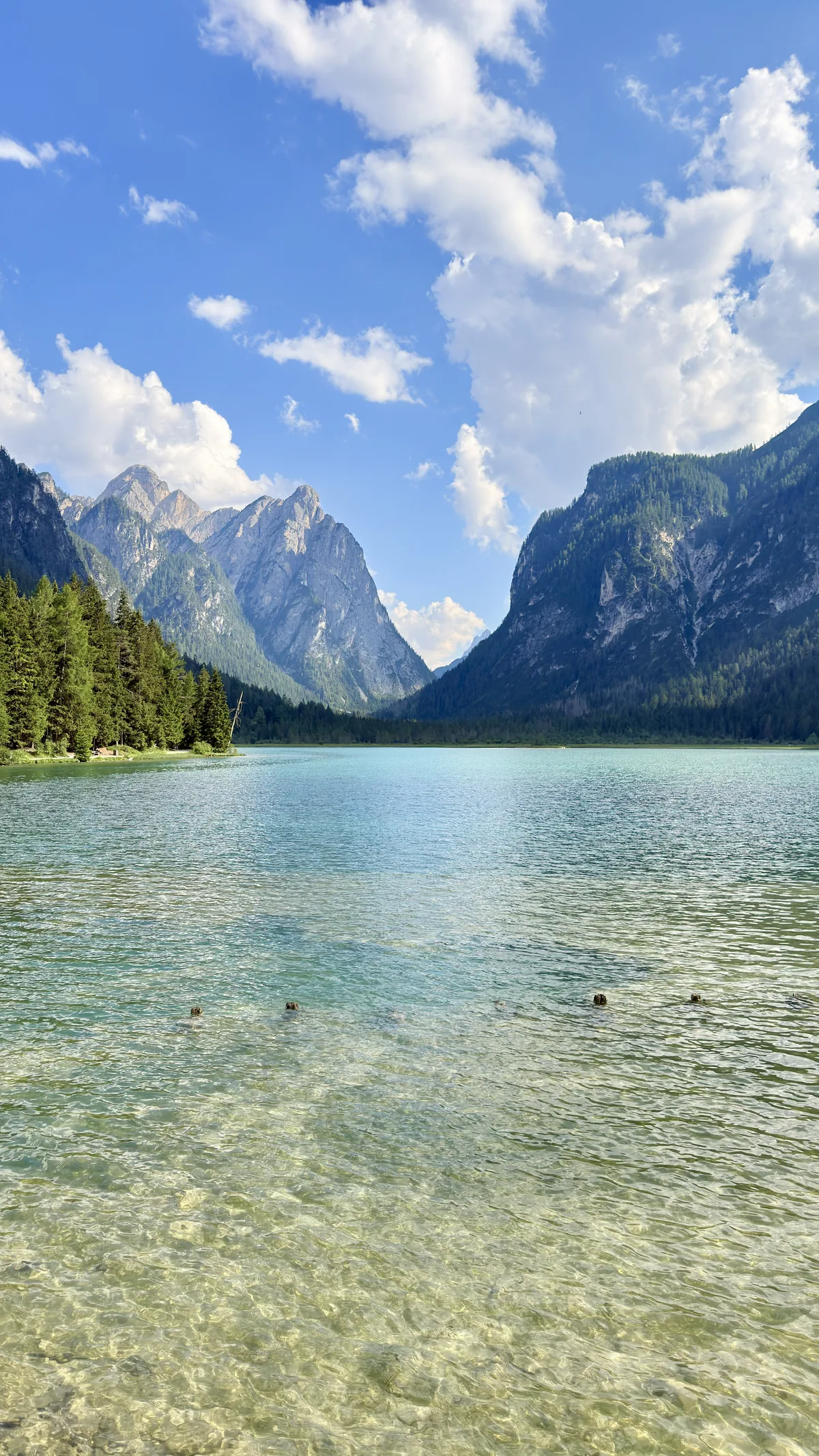
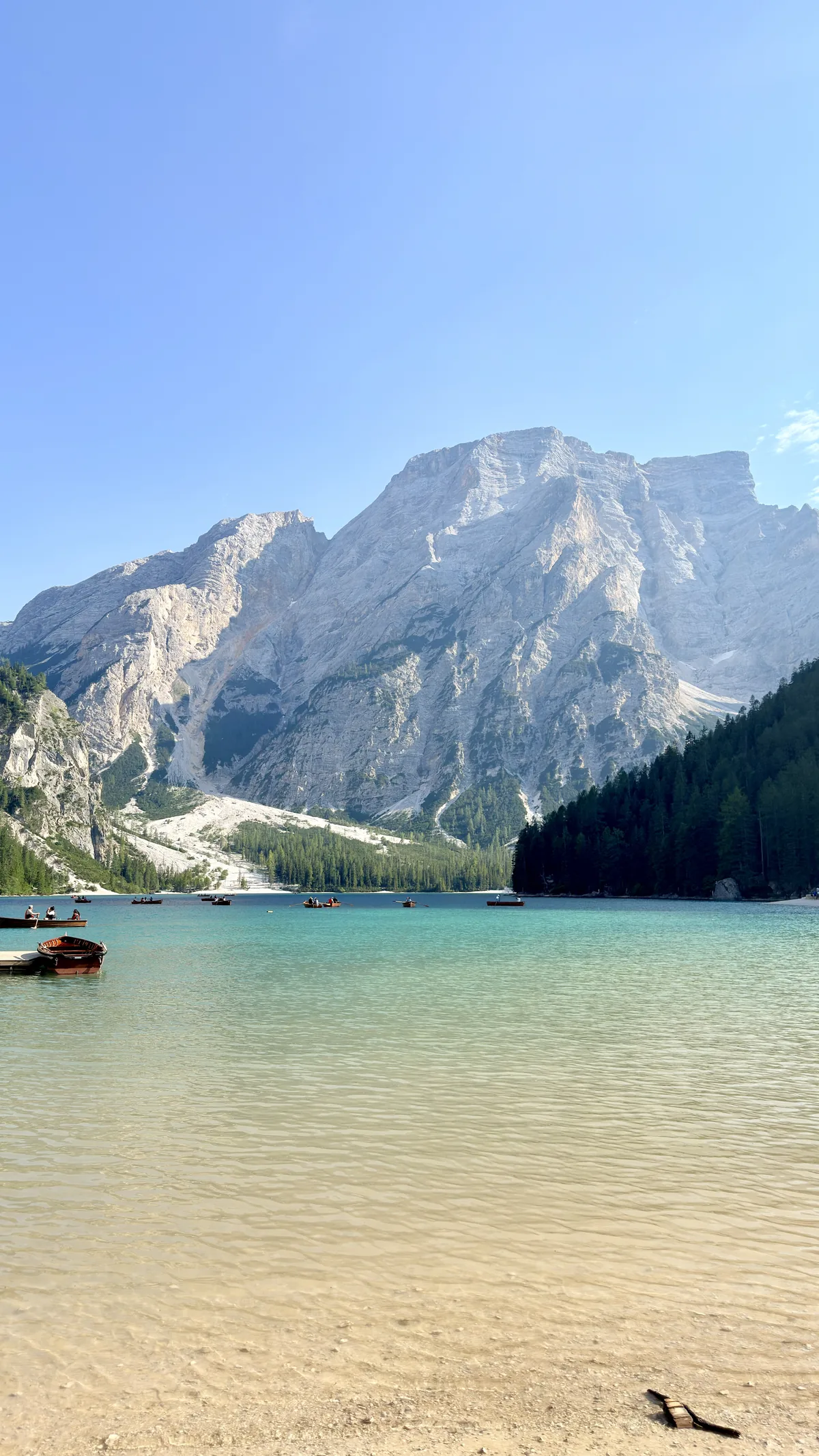
The third day is dedicated to the Dolomites lakes, starting with the most famous of them all: Lago di Braies.
Leaving San Vigilio di Marebbe, the itinerary continues to Lago di Braies, Lago di Dobbiaco, Lago di Landro and Lago di Misurina. This order works well because it lets you start with the busiest place and leave the other lakes for the rest of the day.
Lago di Braies: this is the first stop and the big highlight of this itinerary. Surrounded by the Dolomites' mountains, the lake became famous for its greenish-toned water, the mountains reflected on the surface and the traditional boathouse right on the shore.
Since it's one of the most sought-after attractions in the region, I recommend arriving early. It's worth setting aside time to walk along the shore and take in the lake from different perspectives, rather than just stopping to photograph it.
Do you need to book parking at Lago di Braies? It depends on the time of year. When I made my trip at the end of June, I didn't need to book in advance to park at Lago di Braies. The rules, though, change depending on the season.
During part of the high summer season, vehicle access to the area is regulated at certain hours and may depend on a valid reservation or permit. So if your trip falls in July, August or September, check the rules that apply to the exact date through the official Lago di Braies mobility and parking channels.
How much does it cost to park at Lago di Braies? During the main 2026 regulated period, there's a combined €44 ticket for cars, roughly R$264. The system includes an access permit and guaranteed parking according to the reservation conditions.
Outside that period there are different parking areas near the lake, and prices can vary depending on location, duration and time of year. So I don't think it's accurate to treat Lago di Braies as having a single rate all year round.
If your trip falls during a period when a reservation is required and your dates are already set, I'd book in advance.
Lago di Dobbiaco: after Braies, the itinerary continues to this calmer lake, a good stop for walking along the shore and taking in the surrounding mountains. After such a famous and busy place as Braies, I really enjoyed the change of atmosphere.
Parking can be sorted out on-site and doesn't require the same advance planning as Braies.
Lago di Landro: the next stop sits practically right beside the road and can easily be included along the way. My stop here was quicker, but the easy access and the scenery make the visit worthwhile. I didn't need to book parking in advance.
Lago di Misurina: the last lake of the day, surrounded by mountains, is a good stop to end the itinerary at a more relaxed pace and walk around the area. I also didn't need to book parking in advance.
After the visit, I drove back to San Vigilio di Marebbe.
Along the Most Beautiful Roads in the Dolomites
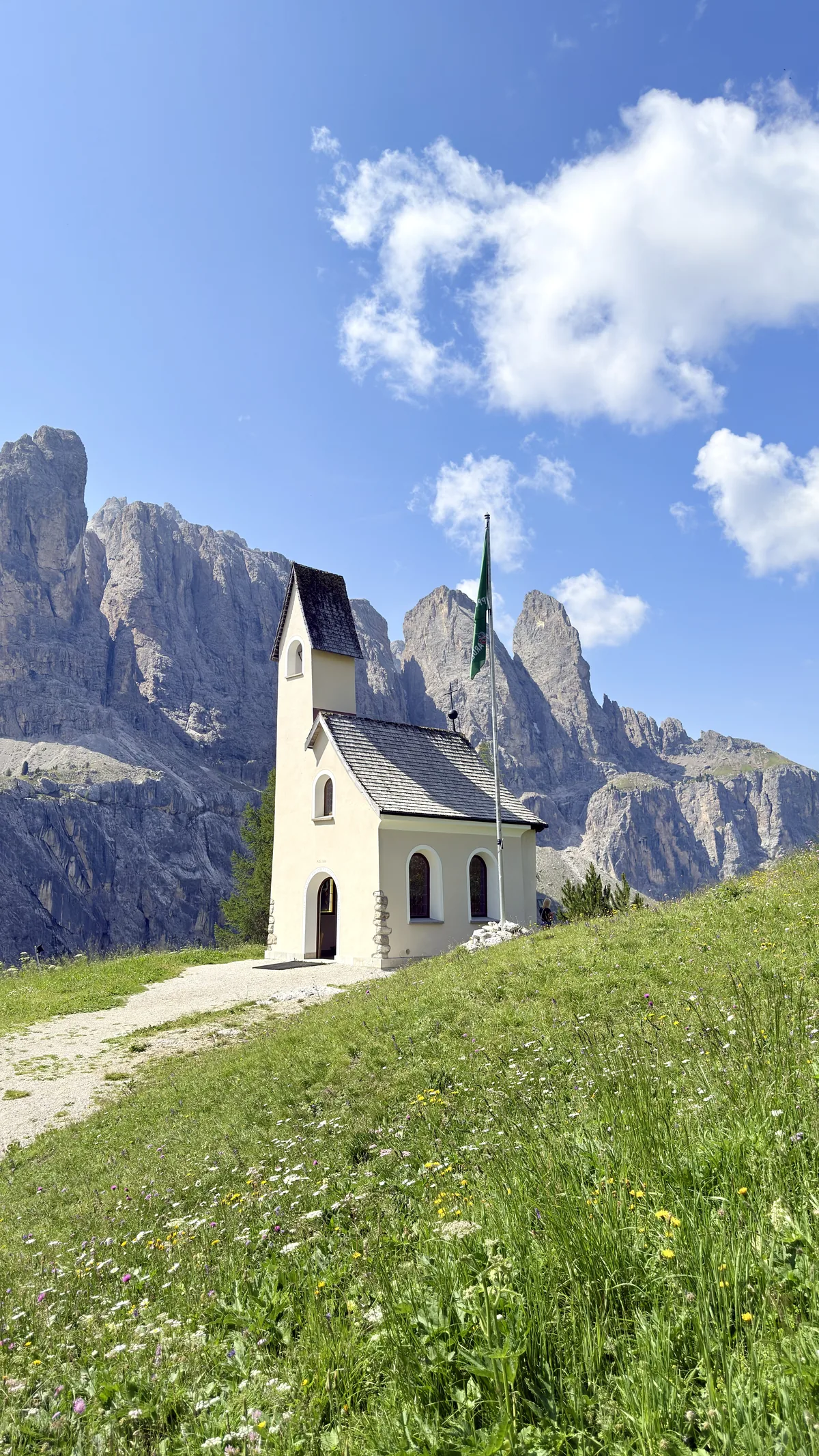
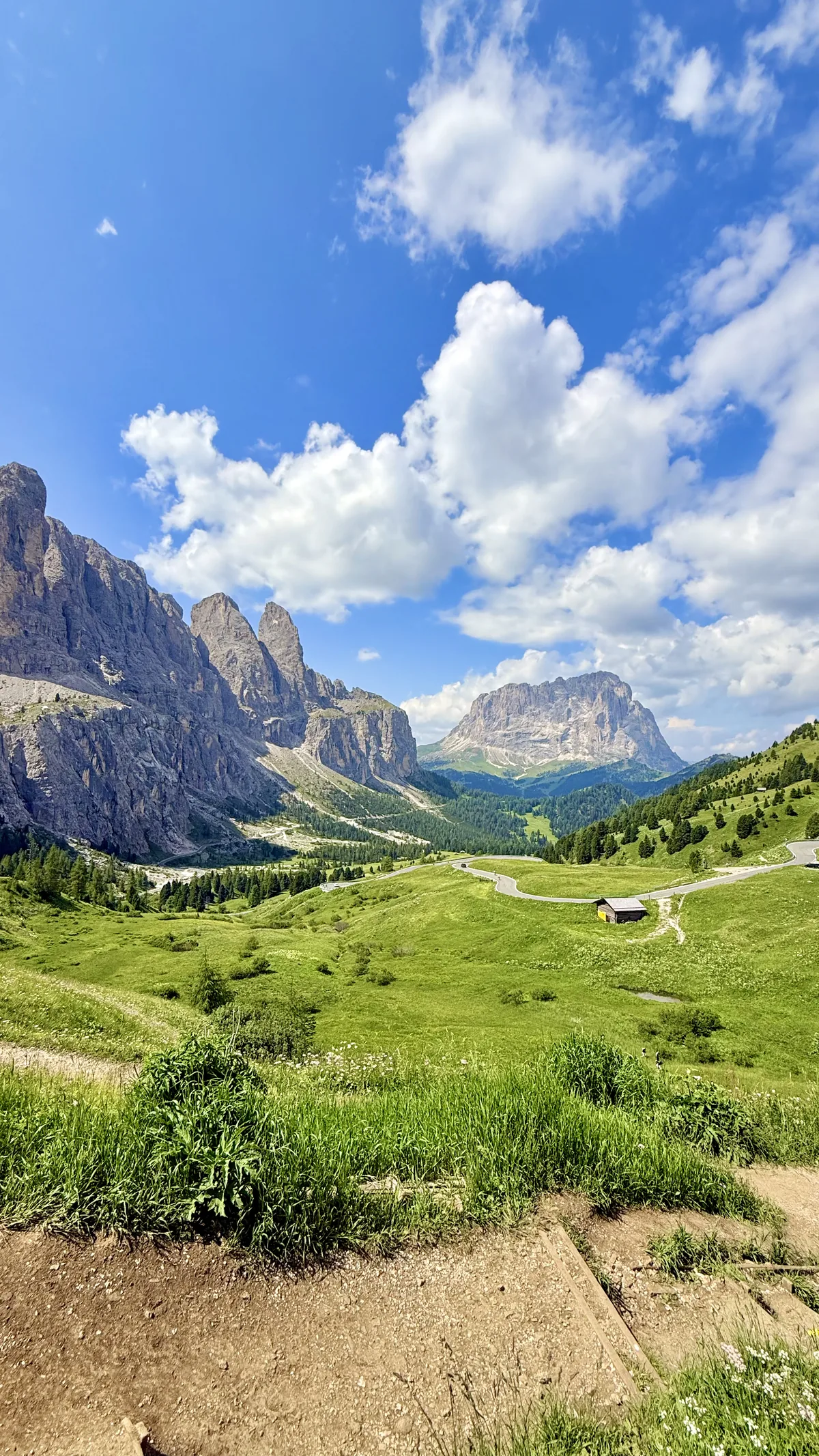
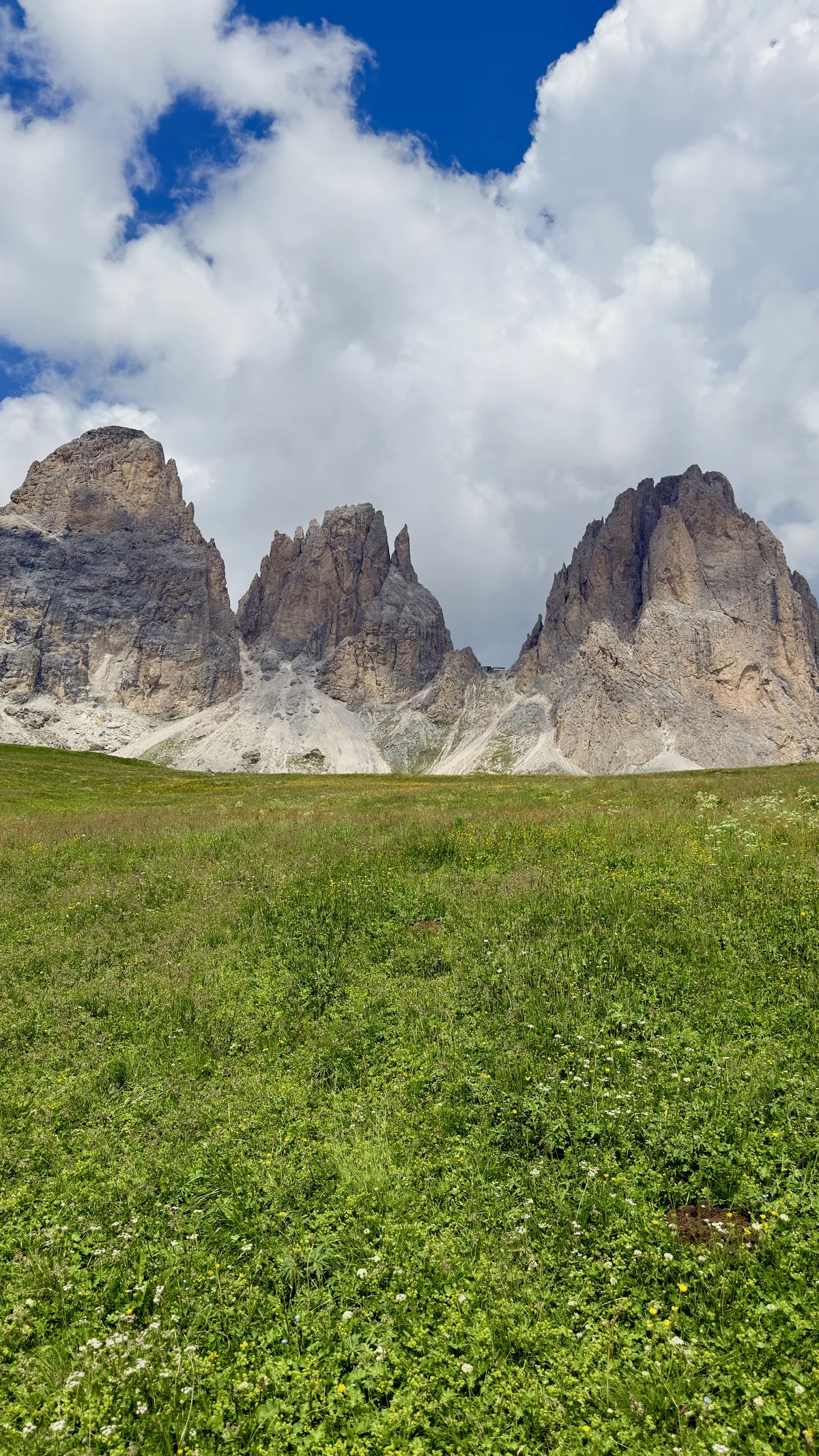
The fourth day was one of my favorites because here the road is part of the experience. Instead of driving just to reach the next attraction, the route crosses alpine passes, valleys and roads surrounded by huge mountain walls.
It was one of those days when several of the best landscapes simply appeared while driving. The itinerary passes through Passo Gardena, Rifugio Friedrich August, Passo Sella, Città dei Sassi and Passo Giau.
Passo Gardena: this section crosses an area surrounded by the Sella Group and the Cir peaks. Along the route there are several places where you can stop and enjoy the mountain views. The drive itself is as important as reaching the pass because the scenery keeps changing.
Cappella di San Maurizio: this is a small chapel located in the Passo Gardena area. It's a quick stop that can easily be included along the way.
Rifugio Friedrich August: I then continued toward the Passo Sella area to do the walk to this refuge. I used the Hotel Passo Sella Dolomiti Mountain Resort only as a reference point to find the area where I started the walk. The walk to the refuge is short, taking roughly 10 to 20 minutes, and crosses an alpine landscape surrounded by pastures and mountains.
Sassolungo: this dominates much of the landscape in this area. Even without doing a specific trail up the mountain, it stays with you along several stretches of the route and makes this part of the Dolomites especially impressive.
Krapfen at Rifugio Friedrich August: at the refuge, I used the stop to try the Krapfen. Besides the food, I really enjoyed the refuge's location, surrounded by alpine pastures and with a view of the mountains.
Passo Sella: back on the road, I continued through this stretch, one of the most beautiful parts of my itinerary. Mountain views continue along much of the route, with several places where you can stop and enjoy the scenery.
Città dei Sassi, or City of Stones, is an area formed by huge rock blocks scattered at the foot of the Sassolungo. The scenery is quite different from the day's other stops and can easily be combined with Passo Sella.
Passo Giau: this closes out the itinerary along the Dolomites' scenic roads. The road up to the pass is already part of the experience. At the top there are spots where you can park and walk a bit to take in the surrounding mountains.
At the parking areas and small pull-offs on this day, I didn't need to book in advance.
After the visit, I drove back to San Vigilio di Marebbe.
Where to Stay in the Dolomites: My Base in San Vigilio di Marebbe
During my trip, I stayed in San Vigilio di Marebbe and used the town as a base for the whole itinerary.
The main advantage of choosing a single base was not having to change accommodation every day. I could leave in the morning, follow the planned itinerary and return to the same place at night.
On the other hand, it's important to understand that the Dolomites cover a large area. Seceda, Val di Funes, Tre Cime and Lago di Braies are all in different regions.
So when choosing where to stay in the Dolomites, don't consider only the distance in kilometers. Also check the actual travel time on the mountain roads.
San Vigilio di Marebbe worked well for the way I organized my trip and let me see different parts of the Dolomites while keeping a single base.
Is It Worth Visiting the Dolomites?
Yes.
Few destinations manage to bring together so many different experiences in one region.
In four days you can hike at Seceda, see the small churches of Val di Funes surrounded by mountains, complete the Tre Cime di Lavaredo circuit, visit Lago di Braies and drive along some of Italy's most impressive alpine passes.
But one of the things that struck me most happened exactly between the attractions.
Driving through the Dolomites, I realized that the road is often just as beautiful as the destination.
And that's probably the best way to sum up this trip.
How Many Days to Spend in the Dolomites?
To follow this itinerary, I'd set aside 4 days in the Dolomites.
The split is balanced:
Day 1: Seceda and Val di Funes
Day 2: Tre Cime di Lavaredo
Day 3: Lago di Braies, Lago di Dobbiaco, Lago di Landro and Lago di Misurina
Day 4: Passo Gardena, Rifugio Friedrich August, Passo Sella, Città dei Sassi and Passo Giau
Four days aren't enough to see everything the Dolomites have to offer, but they're enough to put together a fairly complete itinerary combining mountains, trails, lakes, valleys and scenic roads.
Do You Need a Car to Explore the Dolomites?
Not necessarily.
There are buses and other public transport options in different parts of the Dolomites, in addition to the cable cars used to access some places.
For this 4-day itinerary, though, I recommend renting a car.
I did all my traveling by car, and the freedom of schedule made a big difference.
Besides being able to leave early, I could stop at viewpoints, adjust how long I spent at each place and combine stops that would have been harder to fit in relying only on public transport.
This makes even more of a difference on the lakes day and on the itinerary through the alpine passes, when there are several stops along the way.
Trip Planning for the Dolomites: Essential Tips
Before starting an itinerary through the Dolomites, it's worth organizing a few practical details. The attractions are spread across different areas, travel times on the mountain roads can take longer than they look on the map, and some of the most sought-after places need to be planned in advance.
Car and Travel
- I did the whole Dolomites trip by car
- For this itinerary, I recommend renting a car
- Don't calculate travel times based only on distance in kilometers
- Set aside time to stop at the viewpoints along the way
Tickets and Reservations
- Buy your Seceda ticket online in advance
- Book Tre Cime di Lavaredo before the trip
- Check the Lago di Braies rules for the exact date of your visit
- In summer, I'd organize the main reservations roughly a month ahead
Parking
- Tre Cime requires an advance reservation to drive up to Rifugio Auronzo
- At Lago di Braies, whether you need a reservation depends on the season
- At the other places on this itinerary, I was able to sort out parking on-site
- Arriving early helps mainly at the best-known attractions
Weather and Trails
- Even in summer, the weather in the Dolomites can change quickly
- Check the forecast before Seceda and Tre Cime
- Bring suitable footwear for hiking
- Don't plan an itinerary with too tight a schedule