Last updated: May 2026
Kotor is a practical base for exploring the Bay of Kotor. Its walled historic centre brings together churches, squares, palaces and narrow stone streets, while the fortifications climbing the mountainside provide wide views across the bay.
Two days allow time for the Old Town, fortress climb and waterfront without compressing them into a few hours. Early mornings and evenings are particularly useful because the movement from cruise groups usually decreases.
How this Kotor itinerary was planned
The first day focuses on the historic centre, St. Tryphon Cathedral, the walls and the climb towards St. John's Fortress. Adjust the schedule according to the temperature, your fitness and cruise-ship activity.
The second day follows a slower pace, with time for the waterfront, the Bay of Kotor and nearby viewpoints. With a car, explore panoramic stops outside the centre; without one, choose a boat trip or remain around the central area.
Kotor in 2 days: day-by-day overview
Day-by-day itinerary
Kotor Old Town, St. Tryphon Cathedral, walls and fortress
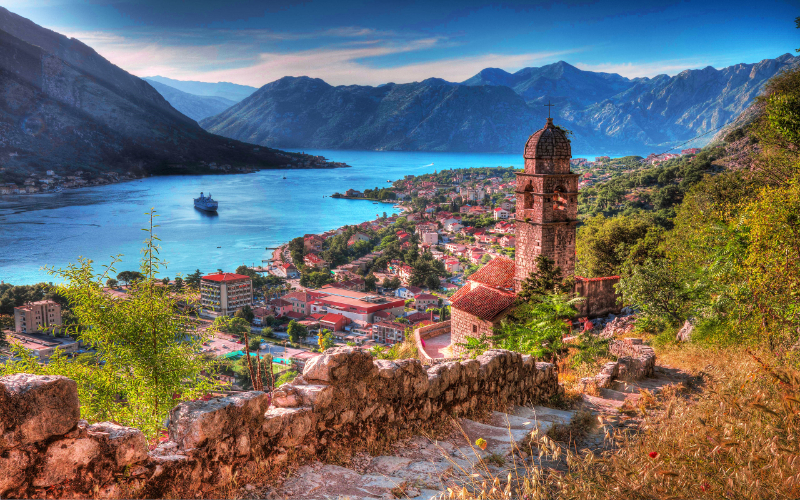
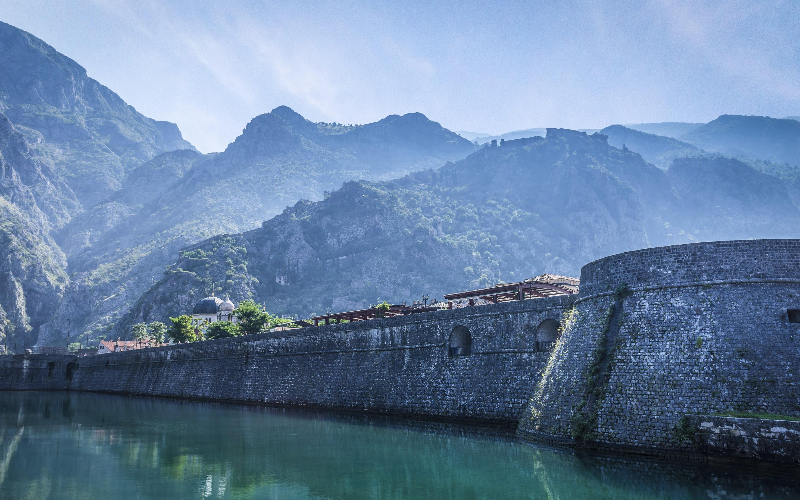
Kotor Old Town is the best place to start the itinerary. Enter through the Sea Gate, near the harbor, and cross Arms Square before heading into the smaller streets of the historic center. The area is compact, but it's worth taking time to look at the stone facades, churches, palaces and little squares.
Arms Square is one of the first areas you reach after the Sea Gate. The square gathers historic buildings, cafés and the Clock Tower, and works as a reference point for starting to explore the walled city's streets.
St. Tryphon Cathedral is one of Kotor's main religious monuments. The church has medieval origins and stands out for the two towers on its facade. Check the opening hours and entry fee on site, as visiting conditions can change.
After the cathedral, continue through the inner streets and take in the smaller churches, squares and stretches of wall in the lower part of the city. There's no need to follow a rigid route; part of the Kotor experience is wandering the alleys and finding quieter corners away from the main path.
St. John's Fortress, also known as Kotor Fortress or San Giovanni Fortress, sits above the historic center. The official path has many steps, steep stretches and little shade. The full climb takes real physical effort, especially in the hottest months.
The ticket for the official route usually costs around €15 per person, but the price and hours should be confirmed before your visit. Bring water, wear footwear with good grip and avoid starting the climb during the hottest part of the day.
You don't have to reach the highest point to find great views. The intermediate stretches already offer panoramas of the historic center, the rooftops and the Bay of Kotor. If you're tired or short on time, you can turn back before the fortress.
At the end of the day, return to the old city and walk through the squares again. Kotor is more pleasant at night, especially after many of the visitors arriving on excursions or cruise ships have left.
Bay of Kotor, waterfront walk and viewpoints
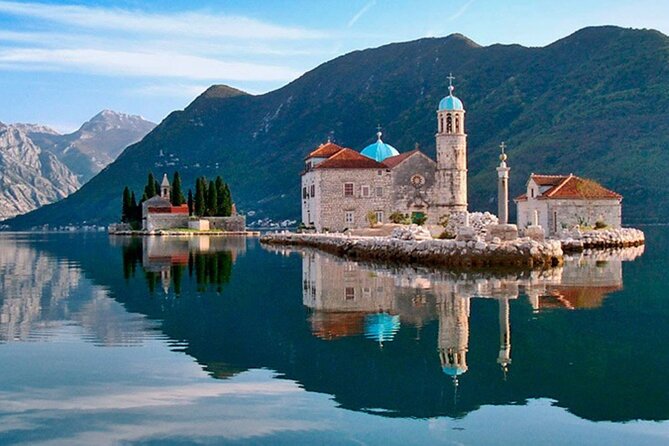
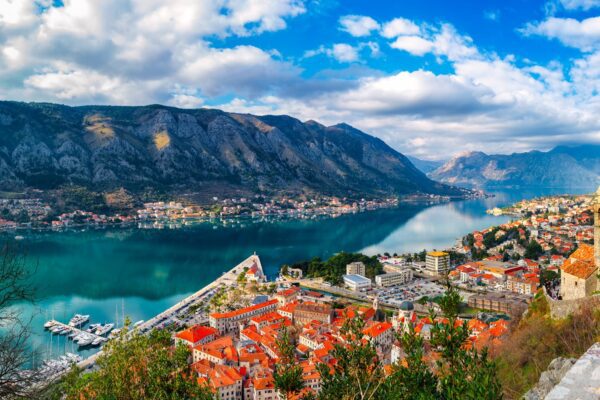
The Bay of Kotor is the defining element of the city's landscape. Ringed by mountains and small historic settlements, the bay can be admired from different spots throughout the second day.
Start with a walk along the waterfront near the historic center. This stretch lets you watch the boats, the mountains and Kotor's walls from another angle. The walk is easy and works best early in the morning or in the late afternoon.
If you'd like to see the bay from the water, choose a boat trip. Routes, durations and prices vary a lot. Before booking, confirm which stops are included and whether the trip passes Perast, Our Lady of the Rocks or other more distant areas.
Bay of Kotor viewpoints can be visited by car or on organized tours. Some roads around the bay offer panoramic views, but they are narrow and can carry heavy traffic. Only stop in safe places and don't block other vehicles.
Perast can be added to the second day as an optional outing, mainly if you haven't set aside another day of the trip for the village. However, if you're following the full five-day Montenegro itinerary, keep Perast on a separate day to avoid a rushed schedule.
In the late afternoon, head back to the historic center. Use the time to revisit a square, see a church that was closed on the first day or rest at a café inside the walls.
Finish the itinerary with dinner in the Old Town and one last evening walk. The lighting on the facades, churches and squares creates a very different atmosphere from the busiest hours of the day.
What I would prioritize in this 2-day Kotor itinerary
I would prioritize the walk through the Old Town, St. Tryphon Cathedral and at least one stretch of the climb toward the fortress.
I would also reserve a morning or a late afternoon to take in the Bay of Kotor from the waterfront and from a panoramic spot.
Sleeping in Kotor matters, as it lets you enjoy the historic center after many of the excursion and cruise visitors have left the city.
What can be optional
Reaching the highest point of St. John's Fortress is optional. The full climb is tiring and there are good views along the intermediate stretches.
The boat trip can be dropped if your budget or time is limited. The bay can also be appreciated from the waterfront and the viewpoints.
Perast doesn't need to be included in these two days if it's already part of another stage of your Montenegro itinerary.
Entering every church and museum isn't necessary either. Pick the attractions that best match your interests and keep time free for walking around the city.
Mistakes that can make this itinerary exhausting
The main mistake is trying to see the Old Town, climb to the fortress, take a boat trip and visit Perast all on the same day.
Another problem is starting the fortress climb during the hottest part of the day. The path has many steps, uneven sections and little shade.
It's also unwise to rely on tight timings on days when cruise ships are in port. The historic center, the gates and the streets near the harbor can get much busier.
Avoid stopping your car in unsafe spots on the panoramic roads. Some routes around the bay are narrow and have little room for parking.
Trip planning for Kotor: essential tips
Getting around
- Kotor Old Town should be explored on foot
- The fortress climb is via stairs and steep paths
- The waterfront near the center can also be covered on foot
- For more distant viewpoints, use a car, taxi or organized tour
Where to stay
- Inside the Old Town: best atmosphere and easy access to the attractions
- Outside the walls: can offer easier car access and quieter accommodation
- Dobrota: an alternative close to the waterfront and the Bay of Kotor
- Book in advance during the summer months
Tickets
- Kotor Old Town is free to enter
- St. Tryphon Cathedral may charge a small entry fee
- The official fortress route usually costs around €15
- Prices for boats, museums and churches should be confirmed before visiting
Best times
- Old Town: early morning or evening
- Fortress: early morning or late afternoon, avoiding intense heat
- Waterfront and bay: morning or late afternoon
- Check the cruise ship schedule to anticipate the busiest days