Last updated: May 2026
This five-day Montenegro itinerary combines three distinct areas: the historic towns of the Bay of Kotor, the coastline around Budva and Sveti Stefan, and the mountains of Durmitor National Park.
Montenegro is a small country, but journeys often take longer than the map suggests. Mountain roads, summer traffic on the coast and the drive to Žabljak must be considered when dividing the days.
This plan is designed for a first trip, using Kotor as a base for three nights and spending the fourth night in Žabljak. The route begins around the Bay of Kotor and finishes in Durmitor, with the option of continuing to Podgorica afterwards.
The route includes Kotor Old Town, Perast, Our Lady of the Rocks, Budva, Sveti Stefan, Black Lake and Tara Canyon. It covers these principal places without turning the five days into a rushed sequence of stops.
How this Montenegro itinerary was planned
The way the days are distributed takes into account distances, the location of each attraction and the need to sleep near Durmitor.
Kotor works as the main base for visiting the historic center, Perast and the Bay of Kotor. Budva and Sveti Stefan can be combined as a day trip, avoiding yet another hotel change.
On day 4, the trip continues to Žabljak. Sleeping in the area lets you visit Black Lake and Tara Canyon at a calmer pace on the last day.
If you need to return to Kotor or Dubrovnik after Durmitor, allow extra time for the journey. For a more efficient route, it's better to end the itinerary in Podgorica or book an additional night before your flight.
Montenegro in 5 days: day-by-day overview
Day-by-day itinerary
Kotor: historic center and fortress
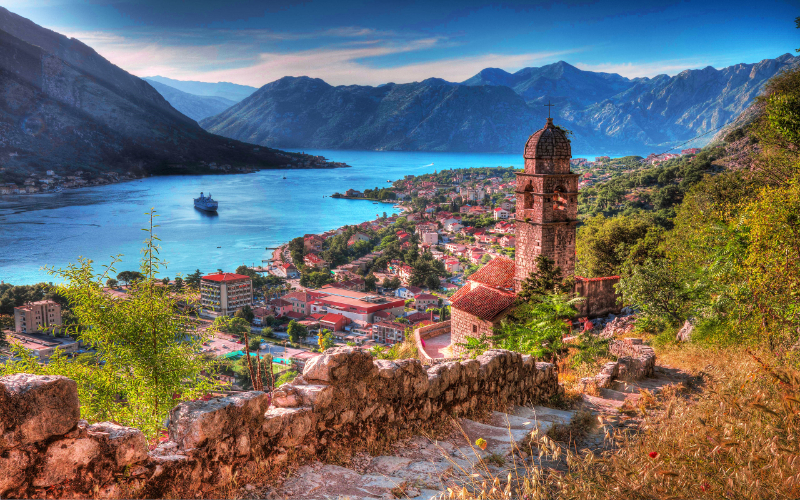
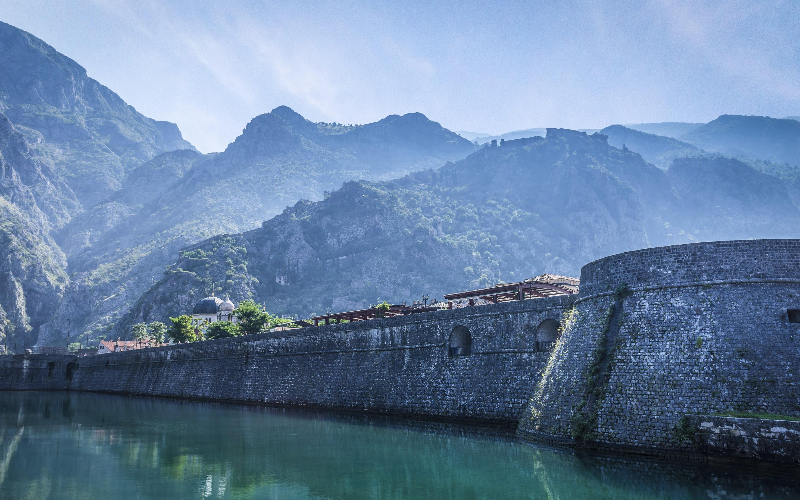
Start the itinerary in Kotor Old Town, the historic center enclosed by walls and mountains on the shore of the Bay of Kotor.
Wander the stone streets, squares and narrow passages at an unhurried pace. Highlights include St. Tryphon Cathedral, St. Luke's Church, the Clock Tower and the old city gates.
The historic quarter is compact, but it's worth setting aside a few hours to explore the small streets instead of just following a direct line between the attractions.
In the afternoon, take on the climb to St. John's Fortress, also known as Kotor Fortress. The route involves many steps, stretches exposed to the sun and a demanding ascent.
Bring water, wear proper footwear and avoid the hottest hours. Before starting, check the condition of the path, the access hours and the entry fee.
You don't have to reach the very top to find great views. There are intermediate sections where you can already see the old city, the harbor and the mountain-ringed bay.
After the descent, enjoy the evening inside the walls. Kotor tends to get quieter once many of the cruise visitors have left the city.
Perast and Our Lady of the Rocks
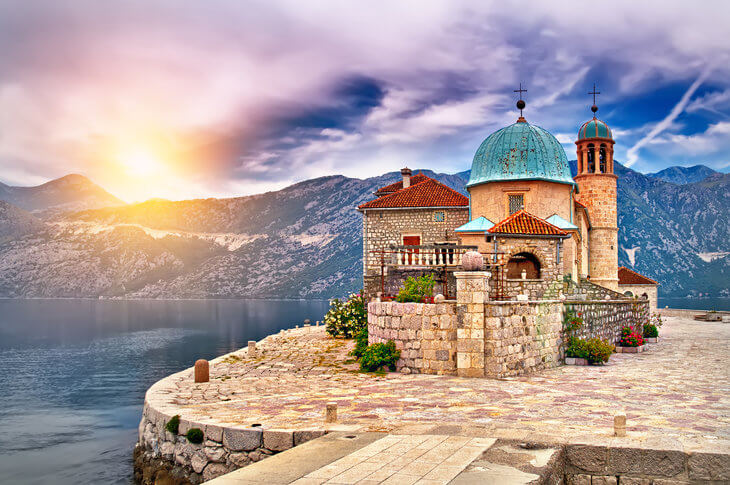
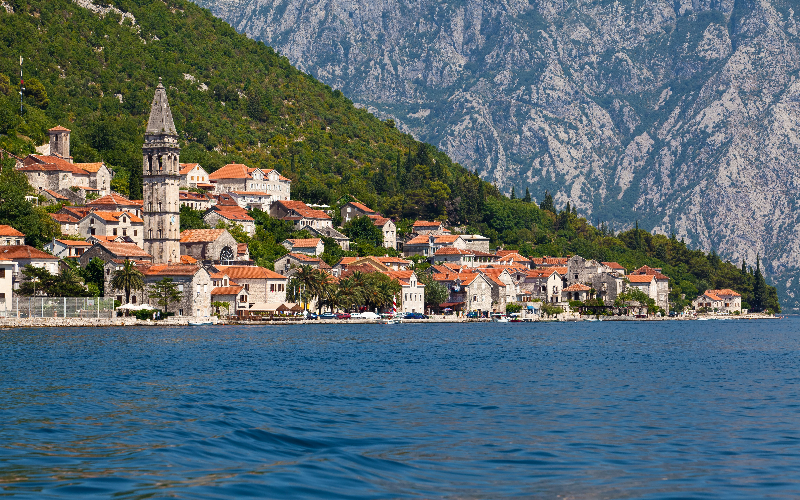
Perast sits roughly 12 kilometers from Kotor and is one of the most beautiful historic villages on the Bay of Kotor.
The waterfront gathers stone houses, old palaces, churches, restaurants and small boat landings. Since the village is tiny, walking is the best way to get to know it.
Set aside time for the area around St. Nicholas Church and for watching the bay. The church tower is one of the most recognizable features of the Perast landscape.
Boats leave from the central waterfront for Our Lady of the Rocks, an artificial island with a church dedicated to Our Lady of the Rocks. Before boarding, confirm the price, the duration of the trip and how much time you get on the island.
The neighboring island of St. George is usually seen along the way, but shouldn't be treated as a guaranteed visit.
After the boat trip, have lunch in Perast and stroll the waterfront without rushing. A few hours are enough for the main attractions, but the slow pace is part of the experience.
Head back to Kotor in the late afternoon. If you're driving, check the parking areas in advance, as vehicle access to central Perast is restricted at certain times.
Budva and Sveti Stefan
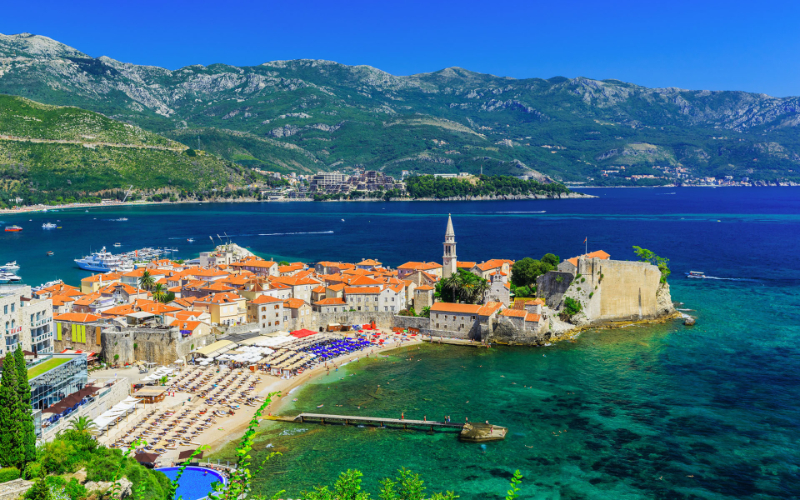
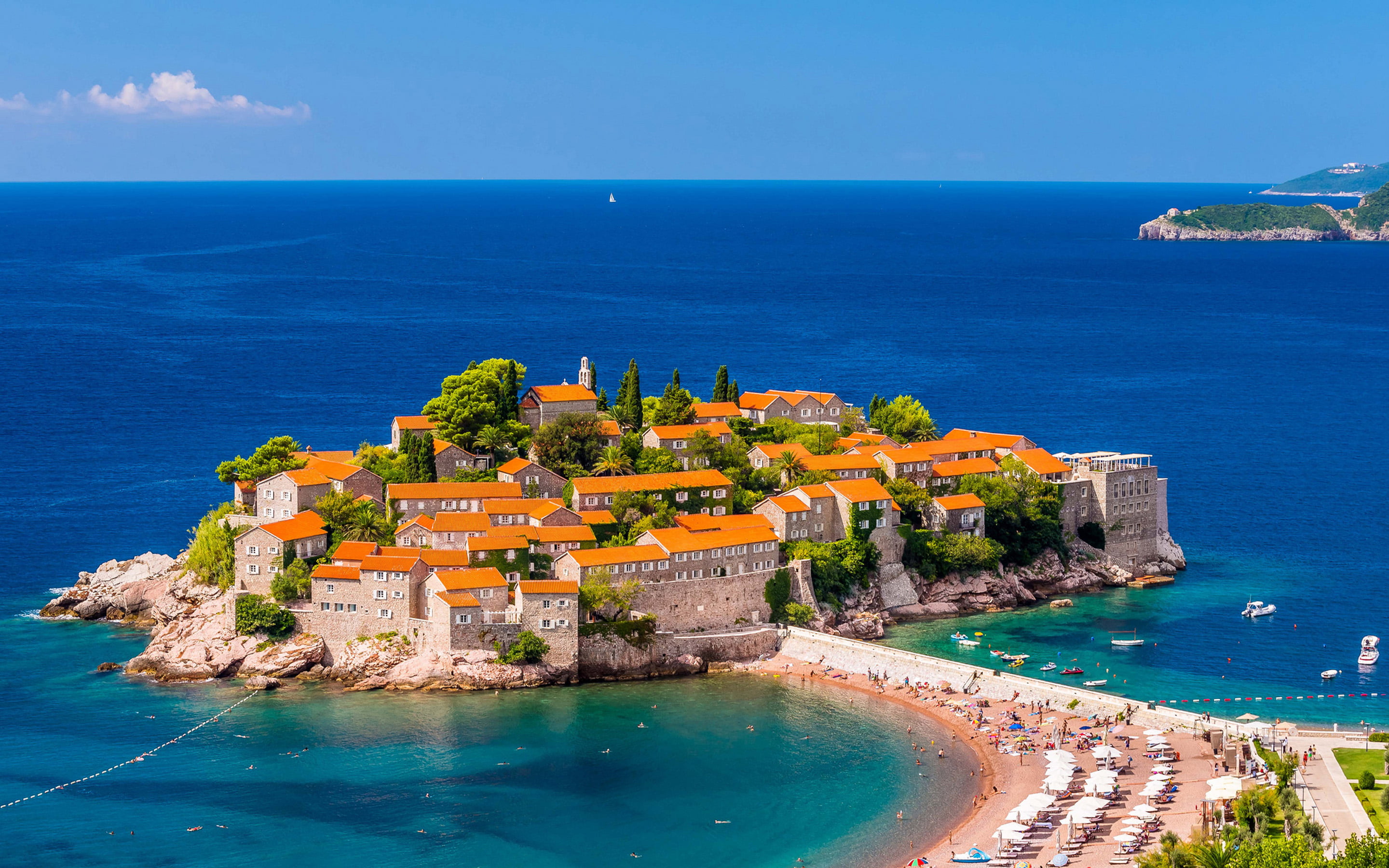
Day 3 combines Budva's historic center, a nearby beach and the most famous postcard on the Montenegrin coast.
Start with Budva Old Town, a walled old city built right on the Adriatic Sea. Walk the narrow streets and explore the area around the Citadel, the historic churches and the seaward walls.
Budva has a livelier atmosphere than Kotor, with a higher concentration of beaches, restaurants and nightlife.
After the historic center, walk over to Mogren Beach. Access depends on the condition of the path and it can get busy during summer.
In the afternoon, continue to Sveti Stefan. The viewpoint above the road offers the classic image of the small island connected to the mainland by a narrow strip of land.
Access to the interior of Sveti Stefan can change depending on how the resort operates, authorized visits and local rules. Don't treat entry to the island as guaranteed. Check the current situation close to your travel dates.
Even without going inside, the viewpoint, the coastline and the Miločer area justify the stop. If there's time, walk around the surroundings or enjoy a nearby beach.
Return to Kotor at the end of the day or sleep in Budva. Staying in Kotor means fewer hotel changes, while Budva allows a more direct departure toward Žabljak the next morning.
Drive to Žabljak and arrival in Durmitor
Leave the coast early and head to Žabljak, the main base for visiting Durmitor National Park.
The route crosses mountainous terrain and can take several hours. Travel time depends on your starting point, the chosen route, traffic and road conditions.
Don't plan many attractions for this day. The priority is to reach Žabljak in daylight, check in and organize the next day's outing.
If you arrive early and the weather is favorable, make a first visit to Black Lake. The lake is close to Žabljak and has paths ranging from a short walk to a longer loop.
If you arrive in the late afternoon, leave Black Lake for the following morning. Avoid starting long trails without enough time to return before dark.
If you're not driving, arrange transport between the coast and Žabljak in advance. Options are more limited than between Kotor and Budva, especially outside high season.
Spend the night in Žabljak.
Black Lake, Tara Canyon and Đurđevića Tara Bridge
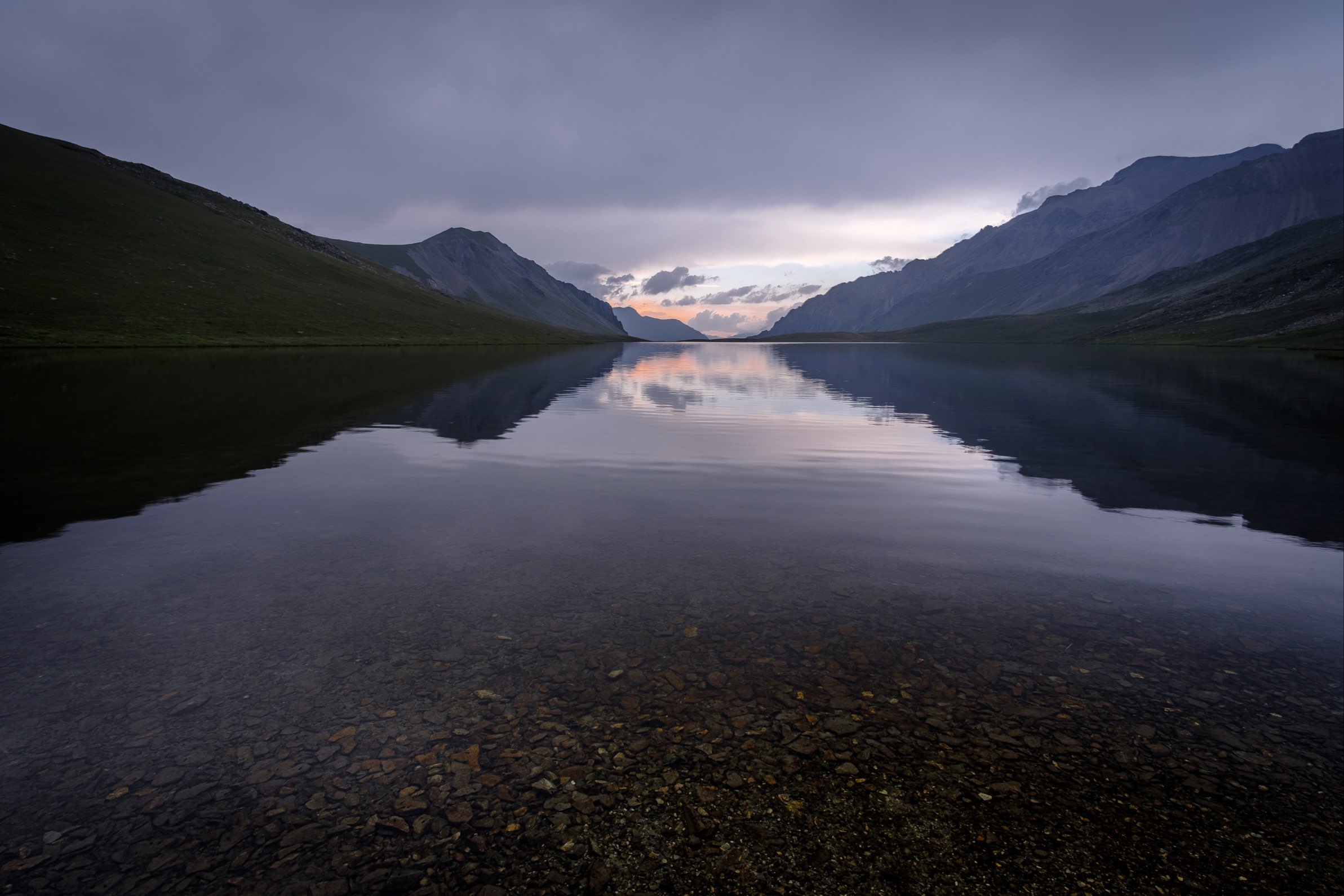
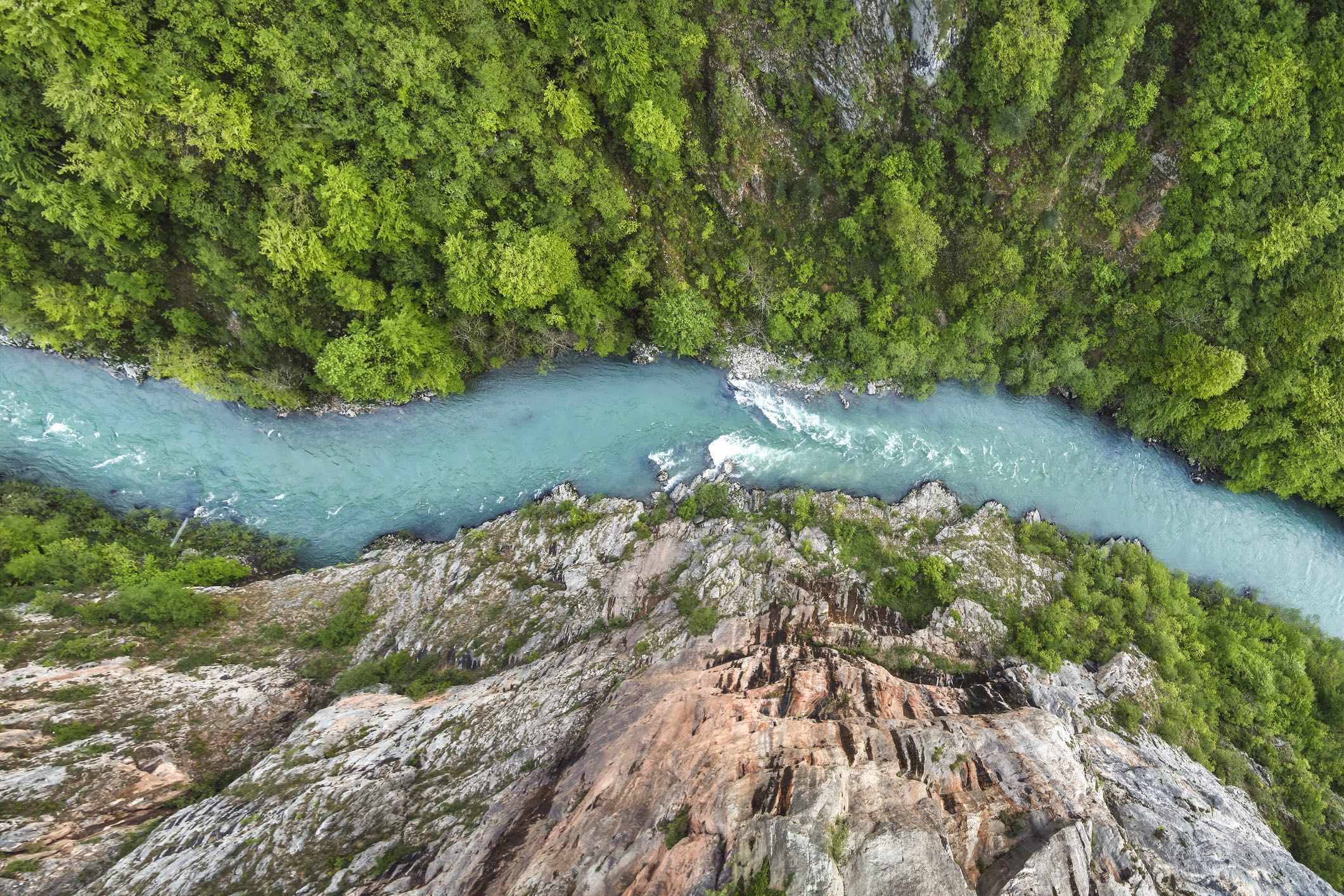
Start the last day at Black Lake, one of Durmitor's main glacial lakes.
The scenery combines water, pine forest and the park's mountains. The visit can be adapted to the time available and the weather conditions.
Wear proper footwear, bring water and don't rely only on the forecast you saw on the coast. Temperatures and weather in Žabljak can be very different from Kotor or Budva.
Afterwards, continue to the Đurđevića Tara Bridge, built over the Tara Canyon. The bridge has viewpoints over the river, the canyon and the surrounding forests.
Activities such as rafting and zip-lining are optional and depend on the season, river conditions and local operators. For this five-day itinerary, taking in the bridge and the viewpoints already rounds off the visit well.
The Durmitor Ring is an alternative for those with more time who are used to driving narrow mountain roads. Don't try to do the full loop, Black Lake and the Tara Bridge and still return to the coast on the same day without carefully working out the timings.
After the visit, continue to Podgorica or your next destination. If your flight leaves early, spend a night in the Podgorica area. Don't count on the drive from Durmitor back to the coast being quick.
What I would prioritize in this 5-day Montenegro itinerary
In Kotor, I would prioritize the historic center, St. Tryphon Cathedral and at least one of the viewpoints on the climb to the fortress.
In Perast, I would keep the waterfront walk and the boat trip to Our Lady of the Rocks.
On the coast, Budva Old Town and the Sveti Stefan viewpoint are the core combination. Beach time can be adjusted to the season.
In Durmitor, Black Lake and the Đurđevića Tara Bridge are the easiest attractions to combine on a first visit.
What can be optional
Reaching the highest point of Kotor Fortress is optional. The climb is demanding and there are beautiful views before the end.
Mogren Beach can be dropped on rainy days or when time is short.
Going inside Sveti Stefan shouldn't be a mandatory part of the itinerary, as access may depend on the rules in force.
Rafting, zip-lining and the full Durmitor Ring circuit require more time and planning. These activities work better with at least one extra day in Žabljak.
Mistakes that can make this itinerary exhausting
The main mistake is trying to visit Durmitor as an ordinary day trip from Kotor. The drive is long and leaves little time to enjoy the park.
Another problem is underestimating coastal traffic in summer. Short hops between Kotor, Budva and Sveti Stefan can take longer during high season.
It's also not worth adding Lovćen, Cetinje and Lake Skadar to the same five days. These places are interesting, but they would leave the schedule fragmented.
Avoid booking a flight with no margin after the Durmitor outing. Mountain roads, roadworks and weather changes can affect travel time.
Montenegro travel planning: essential tips
Before starting the itinerary, it's important to consider transport, how to split your accommodation, payment methods and the climate differences between the coast and the mountains.
Transport and car
- Renting a car makes it easier to reach Sveti Stefan, Žabljak and Durmitor
- Kotor, Perast and Budva can also be combined by bus, taxi or organized tour
- Roads can be narrow and mountainous
- Avoid driving long mountain stretches at night
Where to stay
- Kotor is the most practical base for the bay and Perast
- Budva works better if beaches and nightlife are your priority
- Žabljak is the base for Black Lake, Durmitor and Tara Canyon
- For this itinerary, book three nights on the coast and one night in Žabljak
Payment
- Montenegro uses the euro
- Cards are accepted at many hotels, restaurants and tourist businesses
- Cash is still useful for boats, parking and small shops
- Don't rely on a single card during the trip
Best time
- May, June and September offer a good balance between weather and crowds
- July and August are busier and more expensive on the coast
- Durmitor is colder than Kotor and Budva
- Check trail and mountain road conditions before the trip