Last updated: August 2026
Ifrane National Park protects a vast Middle Atlas landscape made up of forests, high-altitude areas, springs, rivers, and lakes. Atlas cedars are among the best-known features of the region, but the park is much larger than the stops usually visited between Ifrane and Azrou.
It's important to understand that the park doesn't work like a fenced-off attraction with a single entrance and a mandatory route. A visit can be a scenic drive, a short forest walk, a guided outing, or a full day spent across different natural areas.
The Barbary macaque lives in this region, but a sighting is never guaranteed. Even when the animals show up close to roads or areas visited by travelers, they remain wild animals and shouldn't be fed, touched, or lured in for photos.
This guide is a professional recommendation put together from information on conservation, access, and regional planning. I have not yet personally visited Ifrane National Park, so the content is not presented as a firsthand account.
Quick facts
- Visit time: 2 hours to a full day
- Location: Middle Atlas, in the Ifrane and Boulemane provinces
- Most practical base: Ifrane or Azrou
- Entrance: there's no single ticket for the whole park
- Price: open areas and public roads have no general fee; guides, transfers, parking, camping, and activities may be charged separately
- Best time of year: spring and fall tend to offer milder temperatures
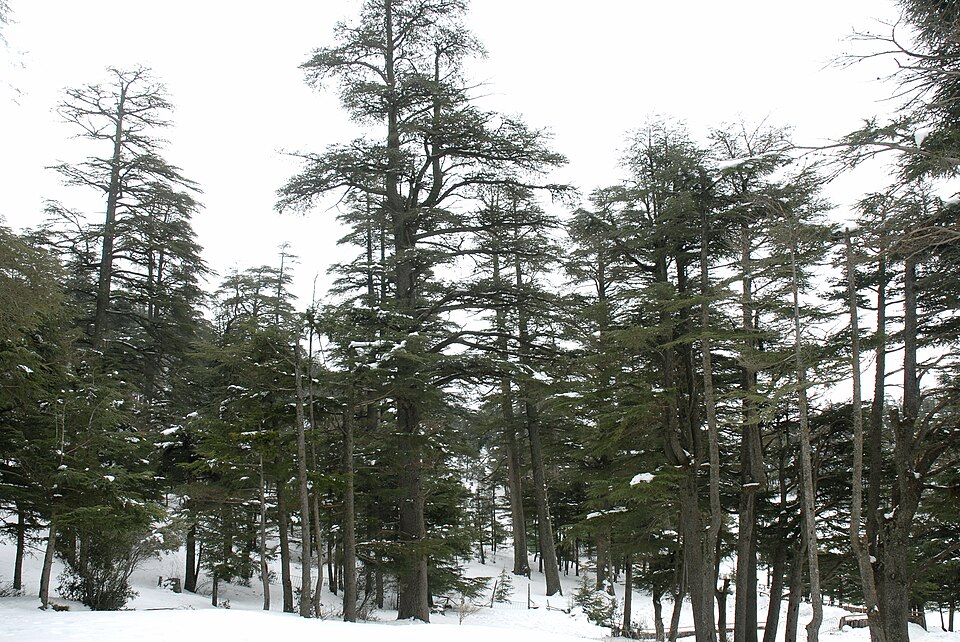
- In winter: snow and ice can affect road conditions
- Wildlife sightings: possible, but never guaranteed
- Accessibility: varies a lot depending on the area chosen
Is it worth visiting Ifrane National Park?
The park is worth a visit for anyone who wants to add mountain and forest scenery to a Morocco itinerary. It also works well as a link between Ifrane, Azrou, and the roads that cross the Middle Atlas.
Anyone with just a few hours can see part of the forest near Azrou and take a short walk. With half a day or a full day, you can put together a more complete outing, including other forest stretches, lake areas, and routes with a local guide.
A quick stop near the road only offers a sample of the region. The park covers a vast area, so there's no need to try to see distant points in the same day.
What is Ifrane National Park?
Ifrane National Park was created in 2004 and expanded in 2008. Its area now covers approximately 125,000 hectares in the western part of the central Middle Atlas.
The protected territory brings together Atlas cedar forests, oaks, rocky areas, pastures, springs, rivers, and wetlands. Lakes such as Dayet Aoua and Aguelmam Afennourir are part of the natural landscape associated with the park and the Ifrane region.
The park is also an area inhabited and used by local communities. Rural activities, livestock raising, environmental conservation, and tourism share the same territory. Because of that, the landscape shouldn't be treated as wilderness completely isolated from human presence.
Where it is and which areas to visit
The park spans a wide region, and there's no single point that represents the whole visit. Ifrane and Azrou are the most practical bases for organizing your trips.
The cedar forest around Azrou is one of the most sought-after areas. It can work as a stop on a route between Ifrane and Azrou, but the exact location should be confirmed on the map before setting out.
The lakes and other natural areas lie in different directions. Before including them, check road conditions, water levels, the time required, and any access restrictions.
If your goal is to walk less-frequented stretches, it's worth hiring a guide familiar with the area. Signage and cell coverage can be unreliable off the main routes.
Barbary macaques in Ifrane National Park
The Barbary macaque, also called the Barbary ape or magot in some sources, is a species native to Morocco and Algeria. The population found in Gibraltar was introduced and doesn't represent its original natural range.
Troops of macaques live in the Middle Atlas forests and can appear in areas near Azrou. Whether you see them depends on the time of day, the weather, the season, and the animals' own movements.
Plan the outing around the value of the forest itself and treat an encounter with the animals as a possible bonus. Even in the morning, they may be far from the areas accessible to visitors.
If you do come across the animals, keep your distance and keep food inside your bag or vehicle. Don't offer fruit, biscuits, bread, or any other food.
Food given by visitors alters the macaques' diet and behavior, and it encourages fighting and overly close approaches. Also don't touch the animals, don't try to hold them, and don't block a troop's path just to get a photo.
Atlas cedar forests
The Atlas cedar is one of the most important species in the park's landscape. The forests provide shelter for a range of animals and help protect the region's soil and water sources.
These areas also face pressures related to drought, grazing, use of forest resources, and visitor traffic. Sticking to permitted paths and not leaving trash behind helps reduce the impact of a visit.
Don't take branches, leaves, pine cones, or other plant parts. Campfires and barbecues should only be used where clearly authorized, especially during drier periods.
Cedre Gouraud and the Azrou forest
The area known as Cedre Gouraud comes up often in outings around Azrou. The cedar that gave the site its name died in 2003 and remains as a historical landmark of the forest.
Since the Cedre Gouraud died in 2003, what remains on site is its historic trunk. The spot mainly serves as a reference point for exploring the surrounding forest.
How the area is organized, its access, and the services available can change. Confirm current conditions before driving specifically to this point.
How to get to Ifrane National Park
A car offers the most freedom to move between Ifrane, Azrou, and the park's different areas. Before setting out, download the map for offline use and mark the points you actually plan to visit.
The main options are:
- Rental car: the most practical way to combine different areas in the same day
- Driver or transfer: useful for anyone who'd rather not drive the mountain roads
- Petit taxi or grand taxi: can work for specific trips, but wait time and the return should be agreed on beforehand
- Guided outing: recommended for trails or areas away from the main roads
- Bus: there are connections between Ifrane and Azrou, but you may still need a taxi or private transport to reach viewpoints, forests, and trailheads
When using a taxi or driver, confirm the price, wait time, and meeting point before starting the outing. Don't count on another vehicle being immediately available in more remote areas.
How to plan the visit
A short 2-hour visit
A short visit can combine a trip between Ifrane and the Azrou area, a safe stop in the forest, and a simple nearby walk.
This format works for anyone continuing their trip through the Middle Atlas, but it doesn't allow time to see the park's more remote areas.
A half-day outing
With half a day, you can spend more time in the forest and take a guided walk. Choose just a few points so the outing doesn't turn into a string of transfers.
Agree with your guide beforehand on the difficulty level, duration, and type of terrain.
A full-day outing
A full day lets you explore a larger area, include a lake, or take a longer walk. The plan should be set based on the weather, road conditions, and any restrictions in effect.
Don't try to fit every lake, forest, and viewpoint into a single day. Distances within the region are greater than they look on the map.
Tickets and costs
There's no single ticket for entering all of Ifrane National Park. The territory includes public roads, open areas, forests, lakes, and sites managed in different ways.
There may be charges for:
- parking in specific areas
- a guide
- transport or a transfer
- organized camping
- tours and activities offered by local operators
- food and services near the most visited spots
Since there's no single price list covering all these services, confirm the amounts in Moroccan dirhams before booking. If there's a charge, ask what's included and agree on the price before starting the outing.
How long to spend
Set aside at least 2 hours for a drive through the forest and a short walk. To explore a natural area more slowly, half a day offers a more comfortable schedule.
A full day is recommended for anyone planning to hike, visit a lake area, or reach more remote points. In that case, also factor in the travel time to and from your accommodation.
Best season to visit
Spring and fall tend to offer more pleasant temperatures for walking, but conditions change depending on altitude and the year.
In winter, there can be snow, ice, fog, and temporary road closures. The amount of snow varies from year to year, even during the coldest months.
Summer tends to be drier. During periods of intense heat, there can be restrictions related to fire risk. Check local conditions before entering forested areas.
Morning is a practical time since it leaves more time to enjoy the forest and adjust your route if the weather or access conditions change.
Trails and safety
Signage varies by location. Don't head down an unfamiliar path just because there appears to be a trail on the ground.
Before walking:
- check the weather forecast
- download an offline map
- let someone know your route
- bring enough water and food
- wear shoes with good grip
- bring warm clothing, even outside of winter
- confirm your expected return time
- check for any environmental restrictions or fire risk
In more isolated areas, go with a local guide. Avoid starting long hikes in the late afternoon or when a weather change is forecast.
When driving, only stop in pull-offs or spaces where the vehicle won't block the road. Don't park on bends or open car doors without checking for other vehicles.
Accessibility
Accessibility depends on the area chosen. Some landscapes can be seen from the vehicle or from points close to the road, while trails and forested areas can have dirt, roots, rocks, mud, or snow.
There's no single standard for ramps, adapted restrooms, or paved paths across the whole park. Travelers with reduced mobility should confirm in advance which points allow access by car and which services will be available.
Responsible visiting
The park protects natural environments and wild animals. A responsible visit includes:
- not feeding or touching the macaques
- keeping your distance from the animals
- not leaving food scraps behind
- taking all your trash back with you
- respecting closed areas
- avoiding excessive noise
- not taking plants or parts of trees
- not lighting fires outside authorized spots
- using local guides and services when needed
If an animal approaches, don't try to hold it or offer food to get it to leave afterward. Put your food away, move calmly, and give it space to go on its way.
Practical tips
- Choose the area you want to visit before leaving Ifrane
- Don't treat the park as an attraction with just one address
- Download the map for offline use
- Bring water, warm clothing, and appropriate footwear
- Arrange the return trip in advance when using a taxi
- Don't count on seeing macaques
- Don't feed animals just to get a photo
- Check road conditions in winter
- Check for possible access restrictions during the dry season
- Book a guide for hikes in remote areas
Final tip
Start in central Ifrane and visit the Stone Lion before heading toward the forested areas. By car, driver, or a taxi arranged in advance, continue to a safe spot in the forest around Azrou.
Take a short walk, take in the scenery, and keep your distance if you come across macaques. Anyone with half a day or more can add a guided route or another natural area, as long as access conditions have been checked.
Ifrane National Park works best when the itinerary sticks to a few places and leaves time for nature. The forest already offers a striking change from Morocco's historic cities, without needing snow or a wildlife encounter to justify the visit.