Last updated: August 2026
Ifrane sits at about 1,650 meters of altitude in the Middle Atlas and offers a very different scene from Morocco's imperial cities. Tree-lined streets, gardens, sloped roofs, and cooler temperatures helped popularize the nickname "Switzerland of Morocco," but the main reason to include the city in an itinerary is its connection to the region's forests and mountain landscapes.
A single day is enough to walk through the center, see the Stone Lion sculpture, and explore part of Ifrane National Park and the cedar forests near Azrou. The urban area is compact, but the natural attractions are spread out. A car, driver, or organized tour is needed so the itinerary isn't limited to the center.
This itinerary is a suggestion built from up-to-date research and my work planning trips. It is not an account of a personal visit. The goal is to lay out a realistic stop between Fez and southern Morocco, explain what depends on the weather, and show how to observe Middle Atlas wildlife without feeding or touching the animals.
How this Ifrane itinerary was planned
Departure from Fez happens in the morning, with a margin for traffic, fog, rain, or winter conditions. Travel time can vary, so the itinerary doesn't depend on arriving at a specific minute.
Central Ifrane and the Stone Lion come first because they can be combined on foot. This part of the visit is short and doesn't need to take up half the day.
After lunch, the itinerary moves on to the landscapes of Ifrane National Park and a cedar forest area near Azrou. The park doesn't work as a single attraction with a central gate and a mandatory circuit. It's a vast natural area, with roads, forests, lakes, communities, and different stopping points.
Barbary macaques, also called Barbary apes, live in the region, but an encounter isn't guaranteed. If they do appear, they should be observed from a distance, with no food, physical contact, or attempts to place them on cars or people.
Azrou is optional. The town can be used for a short stop or lunch, but it shouldn't cut into the time set aside for the forests when nature is the priority.
Anyone following the full Morocco itinerary can return to sleep in Ifrane or continue on according to their booked accommodation. The decision should factor in distance, timing, the weather forecast, and road conditions, especially in winter.
Ifrane in 1 day: itinerary overview
Ifrane: city center, the Stone Lion, and Middle Atlas landscapes
Morning: the drive from Fez to Ifrane
Leave Fez in the morning and check road conditions before setting out. Ifrane sits in a high-altitude area, so rain, fog, ice, or snow can change travel time during winter.
Don't set your schedule based only on the distance shown on the map. Build in a margin for traffic leaving Fez, stops, and slower speeds on the mountain roads.
A rental car or driver offers more flexibility for combining central Ifrane with the cedar forest. An organized tour can also work, as long as the itinerary clearly states which stops are included and how much time will be set aside for nature.
Public transport can get you to Ifrane or Azrou, but it doesn't offer the same ease of reaching scattered forest areas. Anyone without a car should arrange a local driver or tour in advance for the second part of the day.
Mid-morning: central Ifrane
Central Ifrane can be explored on foot. The walk lets you take in the sloped-roof buildings, gardens, squares, and the everyday rhythm of a university and mountain town.
Don't expect a medina or a large concentration of monuments. The interest of this part of the itinerary lies in the urban contrast and how the architecture adapted to the region's cooler temperatures.
Set aside time to walk, take a break at a café, and check the conditions for the natural part of the day. On cold or rainy days, this is also a good moment to adjust your plan before heading onto secondary roads.
The city is home to Al Akhawayn University, but access to the campus can be restricted. Only view the areas that are open, and don't plan your itinerary counting on an interior visit.
Late morning: the Stone Lion
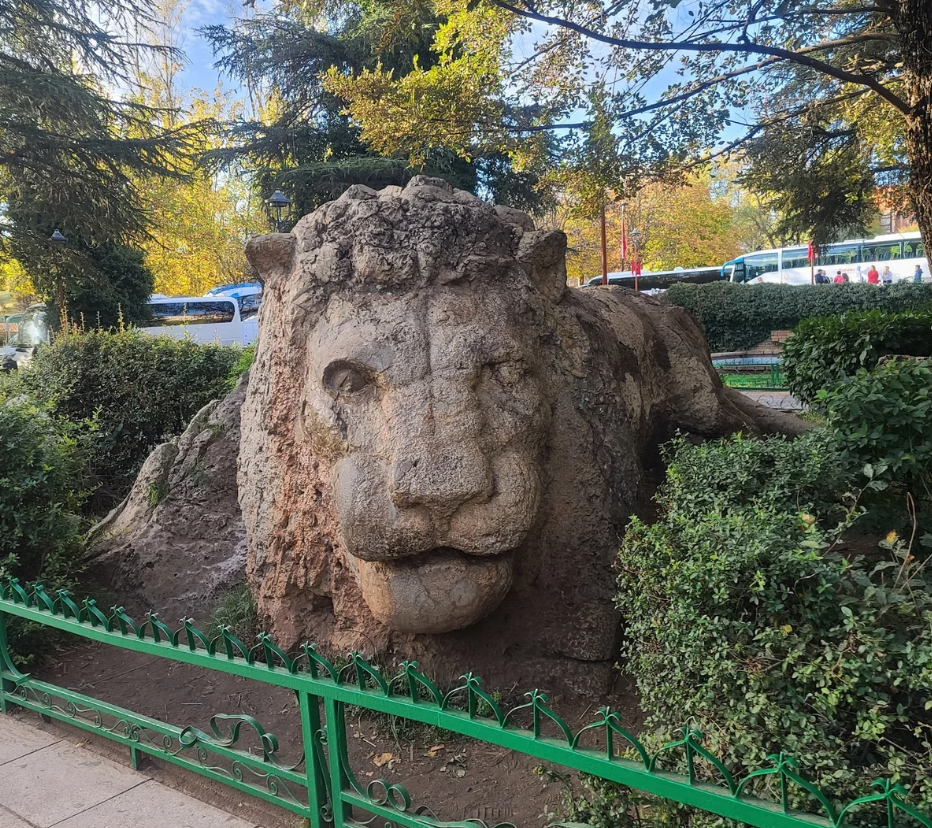
The Stone Lion is a lion sculpture carved in stone located in the urban area, and it has become one of Ifrane's most recognized symbols.
The stop is brief. Take in the sculpture, walk around the surrounding area, and continue the itinerary without setting aside a long period just for this point.
There are different versions of the sculpture's origin and authorship. Since these stories don't always have consistent documentation, don't treat any single legend as confirmed fact.
During busy hours, wait your turn to take photos and don't climb on the sculpture. The Stone Lion sits in a public space and should be treated as local heritage, not as recreational equipment.
Lunch and organizing the natural part of the day
Have lunch in Ifrane or save that stop for Azrou, depending on the route you choose. Confirm the price before ordering, and avoid a long meal if you still want to enjoy the forest in daylight.
Before leaving the city, bring water, an extra layer of clothing, and enough phone battery. The temperature can change quickly, even when Fez is warmer.
Download the map you'll need for offline use and let someone know which area you plan to visit. Not every forested stretch has steady signal, shops, or tourist infrastructure.
Don't choose a secondary road just because an old photo or review shows a scenic spot. Confirm the route with your accommodation, driver, guide, or an up-to-date local source.
Early afternoon: Ifrane National Park
Ifrane National Park protects a vast Middle Atlas landscape, with forests, mountain areas, lakes, and habitats important to a range of species.
There's no need to try to see the whole park. On a 1-day itinerary, choose one forest area accessible along the Ifrane-Azrou route and make a few well-planned stops.
Stop the vehicle only in safe, permitted spots. Don't block the road, property entrances, or paths used by residents.
During periods of snow, fire, maintenance, or environmental restrictions, certain areas may have limited access. Respect signage, barriers, and guidance from local authorities.
Lakes and wetlands in the region can have very different water levels depending on the season and previous years' conditions. Don't build your itinerary solely around old photos of a full lake.
Mid-afternoon: the cedar forest
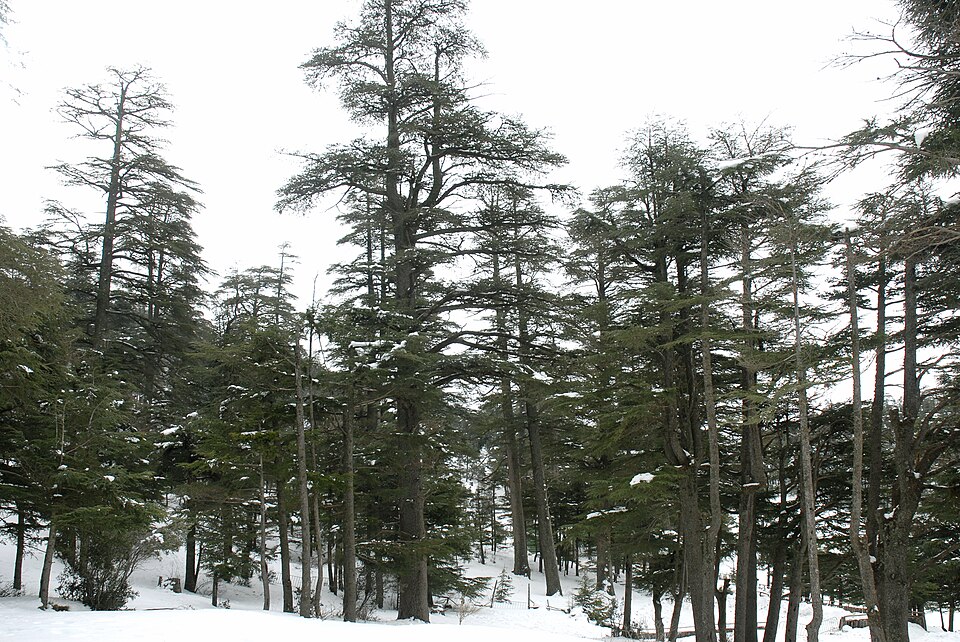
The Middle Atlas cedar forests are part of a landscape of major environmental importance. The Atlas Cedar Biosphere Reserve, recognized by UNESCO, holds a significant share of the world's population of this tree.
Walk only in safe areas and along identifiable paths. For longer or poorly marked trails, go with local guidance and find out about the route's conditions beforehand.
Don't take plants, branches, rocks, or other natural elements. Take all your trash back with you, and avoid loud noise, especially in areas where animals may be present.
Photos can give the impression of an always-green, empty, silent forest. In practice, conditions change with the season, the weather, the day of the week, and the area chosen.
The visit should stay interesting even without animals. The cedars, the altitude, and the transition between forest and plateau are the main elements of this stage.
Responsibly observing Barbary macaques
Barbary macaques are wild, threatened animals. Ifrane National Park is home to an important part of the species' population, but no itinerary can guarantee a sighting.
If you come across a troop, keep your distance and let the animals choose where to move. Don't chase them for a better photo.
Don't offer fruit, peanuts, sweets, bread, or any other food. Feeding the animals changes their behavior, harms their health, and draws them closer to roads and vehicles.
Also don't touch adults or young, don't try to put them on your shoulder, and don't let them get into the car. Keep food put away and partially close windows if an animal approaches the vehicle.
Avoid buying food sold specifically to feed the macaques. Responsible observation happens without contact, reward, or staging for photos.
Late afternoon: Azrou or heading back to Ifrane
Azrou can be included as an additional stop. The town serves as a reference point for different forest areas and as a base for cafés, food, and services.
There's no need to turn the pass through Azrou into another full visit. Anyone who prioritized central Ifrane and nature can make just a brief stop and start heading back.
If the day is running late, drop Azrou and head straight back to Ifrane or continue on to your planned accommodation. Avoid unfamiliar forest roads after dark.
In winter, check the forecast and road conditions again before continuing. Snow in the landscape doesn't automatically mean every road is prepared or that winter activities are running.
Evening: rest and getting ready for the road
Anyone staying in Ifrane can use the evening to have dinner, rest, and organize the next day's travel.
If the next stage is Midelt, Erfoud, or Merzouga, check the full route, departure time, and weather conditions before going to bed. The trip crosses high-altitude areas before reaching more arid landscapes.
Buy water and small snacks in an urban area. Don't count on finding open shops along every stretch of road.
Anyone who decides to continue the same day should only do so if there's enough time, good conditions, and accommodation that can be reached without turning the night into a long, exhausting drive.
What I would prioritize in this 1-day Ifrane itinerary
I would take a short walk through the center, visit the Stone Lion, and set aside most of the day for a well-chosen cedar forest area.
I would also arrange a car, driver, or tour before leaving Fez. Without proper transport, the visit can end up limited to the urban area and miss out on the Middle Atlas landscape.
If Barbary macaques showed up, I would watch from a distance and without offering food. The encounter would be a bonus to the forest, not the goal that determines whether the outing was a success.
What can be optional
Azrou can be dropped when the day is running late or there's no interest in an extra urban stop.
Al Akhawayn University doesn't need to be part of the itinerary, especially when the campus has restricted access.
Lakes and wetlands should only be included after checking current water and road conditions.
A long trail isn't necessary to experience the Middle Atlas environment. Anyone unprepared or unaccompanied can choose a short walk in a safe area.
Spending the night in Ifrane is also a logistics decision. Anyone on a different itinerary can head back to Fez or continue to another city, as long as the drive fits the timing and weather.
Mistakes that can make the itinerary tiring
The main mistake is assuming the center, the park, the lakes, the forest, and Azrou are all bundled into one walkable area.
Another problem is expecting snow just because Ifrane is known for winter. Snow cover varies depending on the season and the weather conditions of each period.
Don't feed the macaques to lure them closer. Beyond harming a threatened species, this practice can encourage aggressive behavior and increase the risk of accidents near roads.
Avoid stopping the car on bends, narrow shoulders, or spots with poor visibility just to take a photo. Look for a safe area, even if that means missing a shot.
Don't head onto poorly marked trails without guidance, proper clothing, water, or a clear idea of your return time.
Also, don't leave checking the road for after you've left the city. Snow, ice, fog, fires, and environmental restrictions can require changes to your route.
Travel planning for Ifrane: essential tips
Transport and roads
- A car, driver, or tour makes visiting the natural areas easier
- Check road conditions before leaving Fez
- Don't calculate travel time based on distance alone
- Stop only in safe, permitted spots
- Avoid unfamiliar forest roads at night
Weather and gear
- Bring an extra layer of clothing
- In winter, check for snow, ice, and fog
- Wear footwear suited to natural terrain
- Carry water, a charged phone, and an offline map
- Don't count on snow or winter activities being guaranteed
Nature and wildlife
- Choose an accessible area of the cedar forest
- Don't feed or touch the macaques
- Watch animals from a respectful distance
- Take all your trash back with you
- Respect trails, barriers, and environmental restrictions
Structuring the day
- Visit the center and the Stone Lion in the morning
- Set aside the afternoon for Ifrane National Park
- Only include Azrou if there's time
- Get back before dark on unfamiliar roads
- Check the next day's route before going to bed