Last updated: August 2026
This 14-day Morocco itinerary connects Casablanca to Marrakech, passing through the imperial cities of the north, the landscapes of the Middle Atlas, and the road down to the Erg Chebbi dunes. After the desert, the route continues through Tinghir, the Todra Gorge, Ouarzazate, and Ait Ben Haddou before crossing the High Atlas.
It's a complete route, but it shouldn't be treated as a simple sequence of attractions. Distances grow considerably after Fez, there are several changes of accommodation, and some days are dedicated mainly to driving. Organizing your bases correctly is what lets you combine historic cities, mountains, and desert without making every day overly packed.
This is a planning suggestion, not an account of a trip I made personally. I work on building itineraries, and I put this plan together considering the cities' locations, how long each leg of driving takes, the number of nights at each base, and which attractions genuinely work well together on the same day.
This itinerary works best for anyone flying into Mohammed V International Airport in Casablanca and able to fly home or continue their trip from Marrakech. Anyone with a round-trip ticket through Casablanca will need to set aside additional time for the return and shouldn't simply tack that leg onto the last day.
How this Morocco itinerary was planned
The first part makes use of the connections between Casablanca, Rabat, Meknes, and Fez. On this stretch, train and road transport offer alternatives to a car, and the distances are shorter than in the southern part of the itinerary.
Casablanca comes in as the arrival city, while Rabat gets a night so the capital isn't reduced to a rushed stop. Meknes is visited along the way to Fez, avoiding an extra hotel change. Fez gets two nights, the minimum needed for a full day dedicated to the medina.
Ifrane was kept as an overnight stop to break up the long drive down to Merzouga. This choice makes the itinerary more comfortable, but it isn't mandatory. Anyone who prefers fewer accommodation changes can visit Ifrane and Azrou as stops and continue the trip, as long as they accept a longer day of driving.
In the Merzouga area, two nights leave room to arrive without rushing, organize the dune excursion, and choose between staying somewhere close to Erg Chebbi or spending one of the nights at a camp. Tinghir breaks up the trip between the desert and Ouarzazate, and also makes it easier to visit the Todra Gorge.
Ouarzazate gets two nights because the first day ends with arrival through the Todra and Dades region. The following day is free for the city and the studios. Ait Ben Haddou fits into the drive to Marrakech, avoiding a there-and-back trip on the same road.
The 13 nights break down like this: one in Casablanca, one in Rabat, two in Fez, one in Ifrane, two in the Merzouga area, one in Tinghir, two in Ouarzazate, and three in Marrakech.
Morocco in 14 days: day-by-day overview
Day by day
- Day 1: arrival in Casablanca and the Hassan II Mosque
- Day 2: Rabat, the Kasbah des Oudaias, Hassan Tower, and the Mausoleum of Mohammed V
- Day 3: leaving Rabat, a stop in Meknes, and arrival in Fez
- Day 4: the Fez medina, Bou Inania, the tanneries, and the souks
- Day 5: Ifrane, Azrou, and Middle Atlas landscapes
- Day 6: Ifrane, the Ziz Valley, and arrival in Merzouga
- Day 7: Merzouga, Erg Chebbi, and a night in the desert region
- Day 8: leaving Merzouga, Rissani, and arrival in Tinghir
- Day 9: the Todra Gorge, the Dades Valley, and Ouarzazate
- Day 10: Ouarzazate, Kasbah Taourirt, and the Atlas Film Studios
- Day 11: Ait Ben Haddou, the High Atlas, and arrival in Marrakech
- Day 12: the Marrakech medina, souks, and Jemaa el-Fna
- Day 13: palaces, the Ben Youssef Madrasa, and Marrakech's architecture
- Day 14: the Majorelle Garden, last visits, and departure
Casablanca: arrival and the Hassan II Mosque
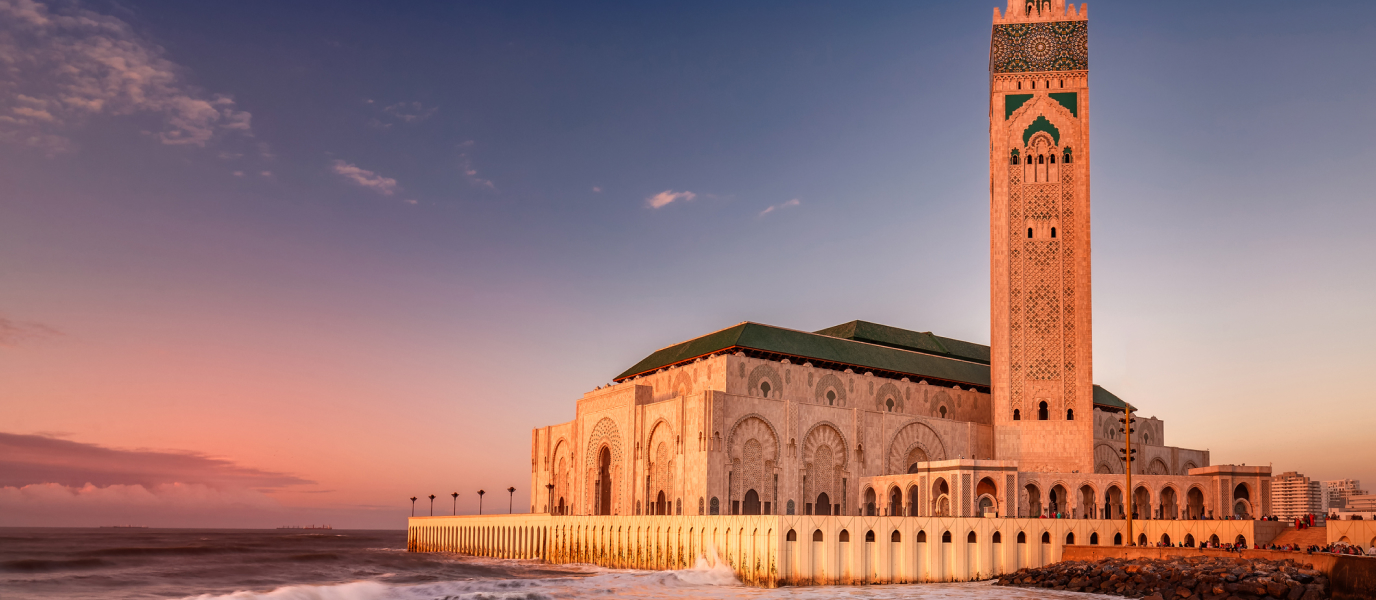
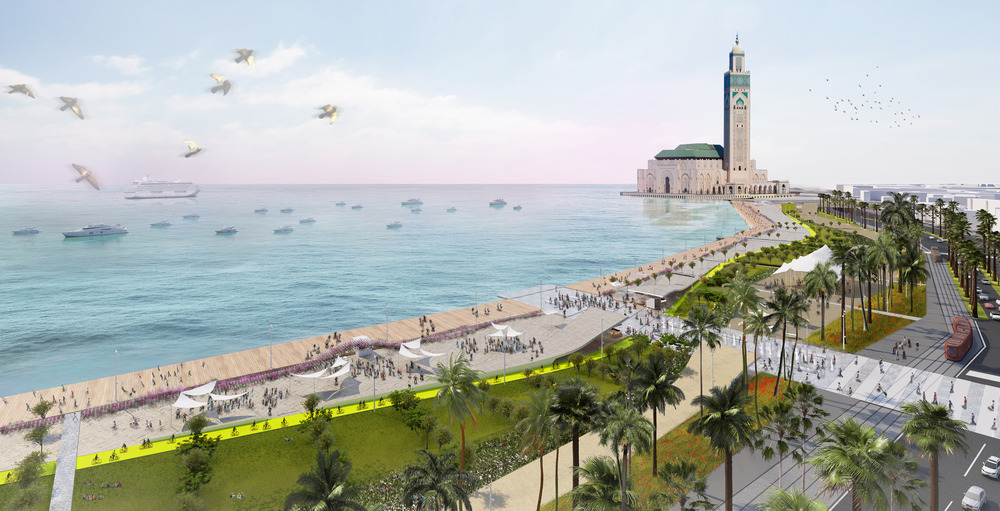
Use the first day to settle in after arrival and see Casablanca's most important attraction. I wouldn't pack in a long schedule right after the flight, especially if the trip involved a connection or an afternoon arrival.
The Hassan II Mosque, built on the shore of the Atlantic, is the priority for the day. The interior visit happens on guided tours at set times and follows its own dress and access rules. Shoulders, torso, and legs need to be covered, and shoes are removed before entering the prayer area. Check the foundation's official website to confirm current hours, especially on Fridays, during Ramadan, and on religious dates.
Even when the interior tour's schedule doesn't line up with your arrival, the esplanade and the exterior help convey the building's scale and its relationship with the sea. The outing can continue along the seafront, without needing to cross several neighborhoods of the city in the same day.
The Ain Diab Corniche, on the coast, works well as an addition for a walk or dinner. It's some distance from the mosque, so it's better to plan the trip by taxi or car rather than trying to cover the whole central area on foot.
The Habous Quarter can fit in if your flight lands early. The neighborhood brings together architecture from the Protectorate period, shops, and streets that are more organized than the big medinas you'll see later. If time is tight, I would drop Habous and keep just the mosque and the seafront.
Spend the night in Casablanca. To make leaving the next day easier, it's worth choosing accommodation with simple access to the train station or the road to Rabat, rather than prioritizing a distant area just for the sea view.
Rabat: the capital, the kasbah, and historic monuments
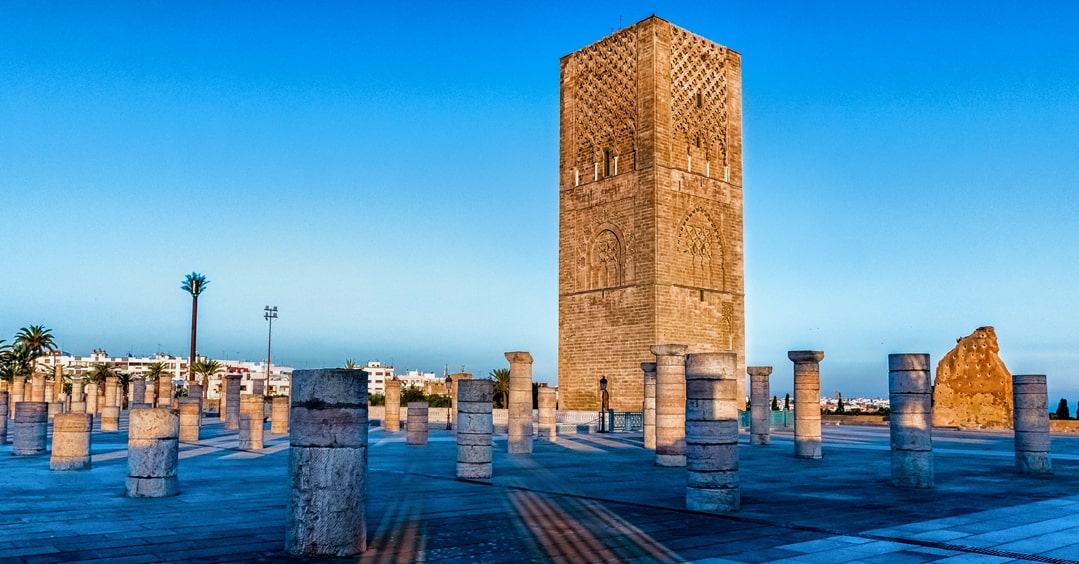
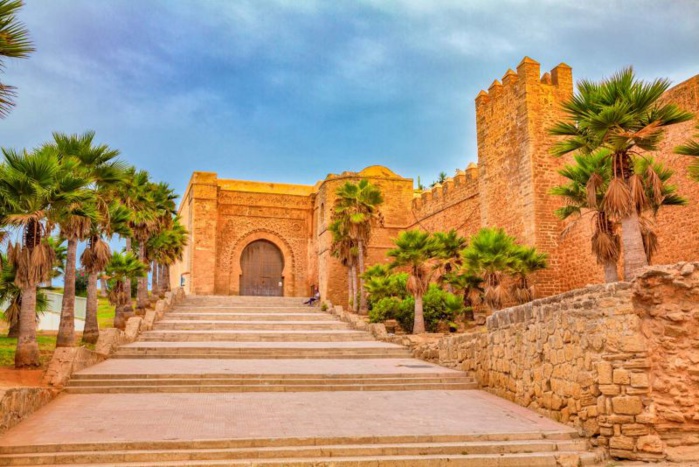
Rabat sits on the way between Casablanca and Fez and deserves more than a quick stop. The capital has a simpler layout than the medinas of Fez and Marrakech, which makes this a good day to start the historical part of the itinerary.
The Kasbah des Oudaias, right at the mouth of the Bou Regreg River, is a good place to start. The residential streets, the ramparts, and the viewpoints form a compact cluster. Walk with attention to private areas and avoid treating every door and house as a photo backdrop.
The Andalusian Gardens sit right by the kasbah and can be visited during the same part of the day when they're open. Afterward, head to the Hassan Tower area.
Hassan Tower and the Mausoleum of Mohammed V occupy the same complex. The tower was part of a mosque project that was never completed, while the mausoleum carries historical and religious importance for the country. Confirm the visiting rules and dress respectfully.
Chellah, an archaeological site and former necropolis, can round out the afternoon. Since hours, accessible areas, and possible conservation work can change, check the situation before planning the trip there.
The Rabat medina can fit in at the end of the day, but I wouldn't try to cover every market. Fez and Marrakech have much larger medinas ahead. In Rabat, your time is best spent combining the Oudaias, Hassan Tower, the mausoleum, and Chellah.
Spend the night in Rabat.
Meknes along the way between Rabat and Fez
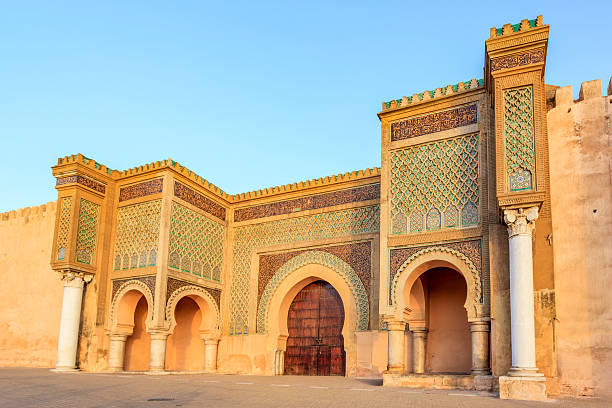
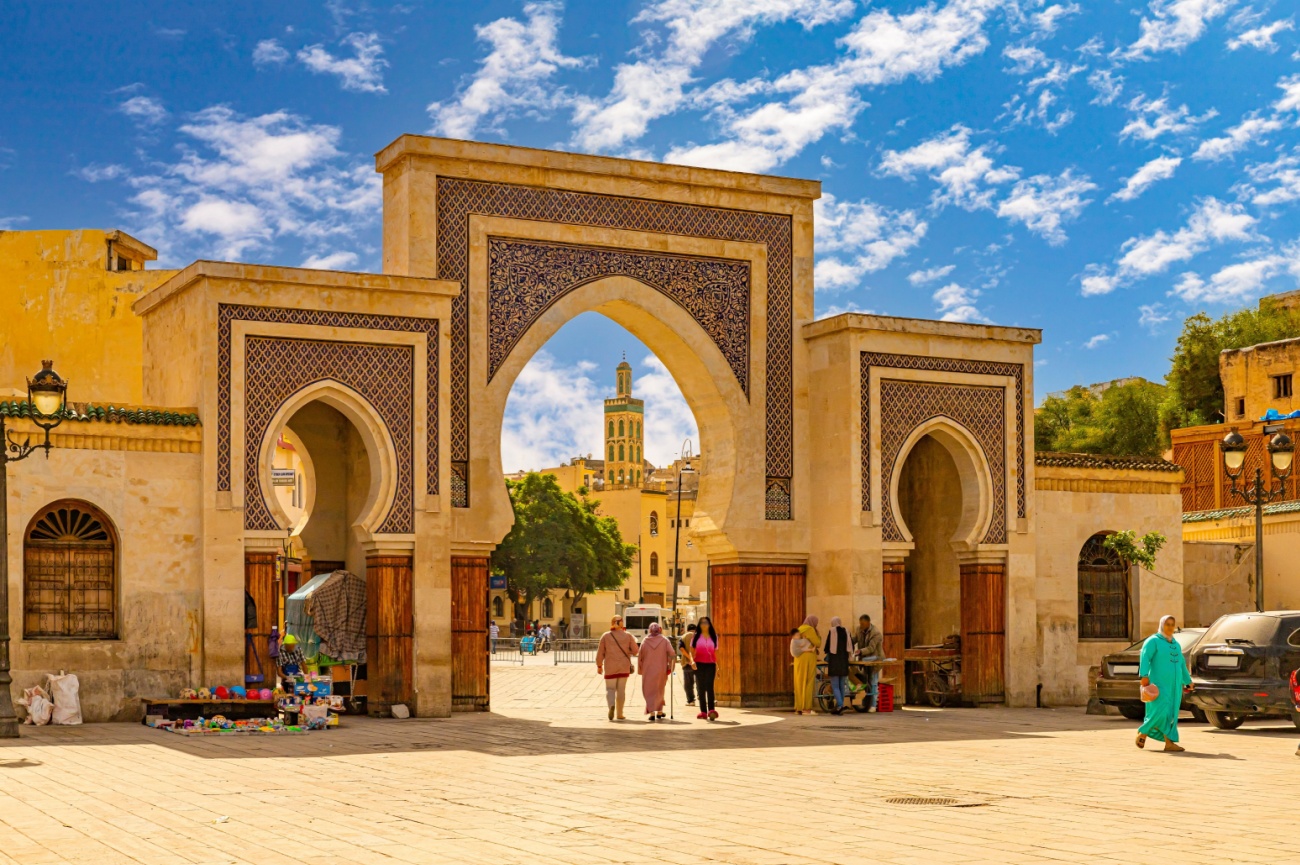
The third day ends in Fez, with a planned stop in Meknes. This setup adds another imperial city without requiring a separate check-in and check-out.
Leave Rabat in the morning and keep your luggage secured in the vehicle or with a trusted service. Anyone traveling by train should check in advance where to store their bags, since carrying them around during the visit makes the stop impractical.
Bab Mansour and El Hedim Square form the main landmark of the historic center. Restoration work or temporary restrictions can affect viewing the monuments, so it's worth checking the situation close to your trip.
The Meknes medina is smaller than Fez's and allows for a more focused walk. The goal isn't to try to cover the whole city in a few hours, but to see the historic core and understand why Meknes is part of Morocco's group of imperial cities.
The Mausoleum of Moulay Ismail can fit in when it's open to visitors. If there are restrictions, don't make up for it by adding distant attractions. Save time to reach Fez, check in, and get organized for the next day.
Volubilis would require a detour and more visiting time. It's a possible addition for anyone leaving very early with a car or driver, but I wouldn't combine Rabat, Meknes, Volubilis, and a relaxed arrival in Fez in the same day.
Spend the night in Fez.
Fez: medina, madrasas, tanneries, and traditional crafts
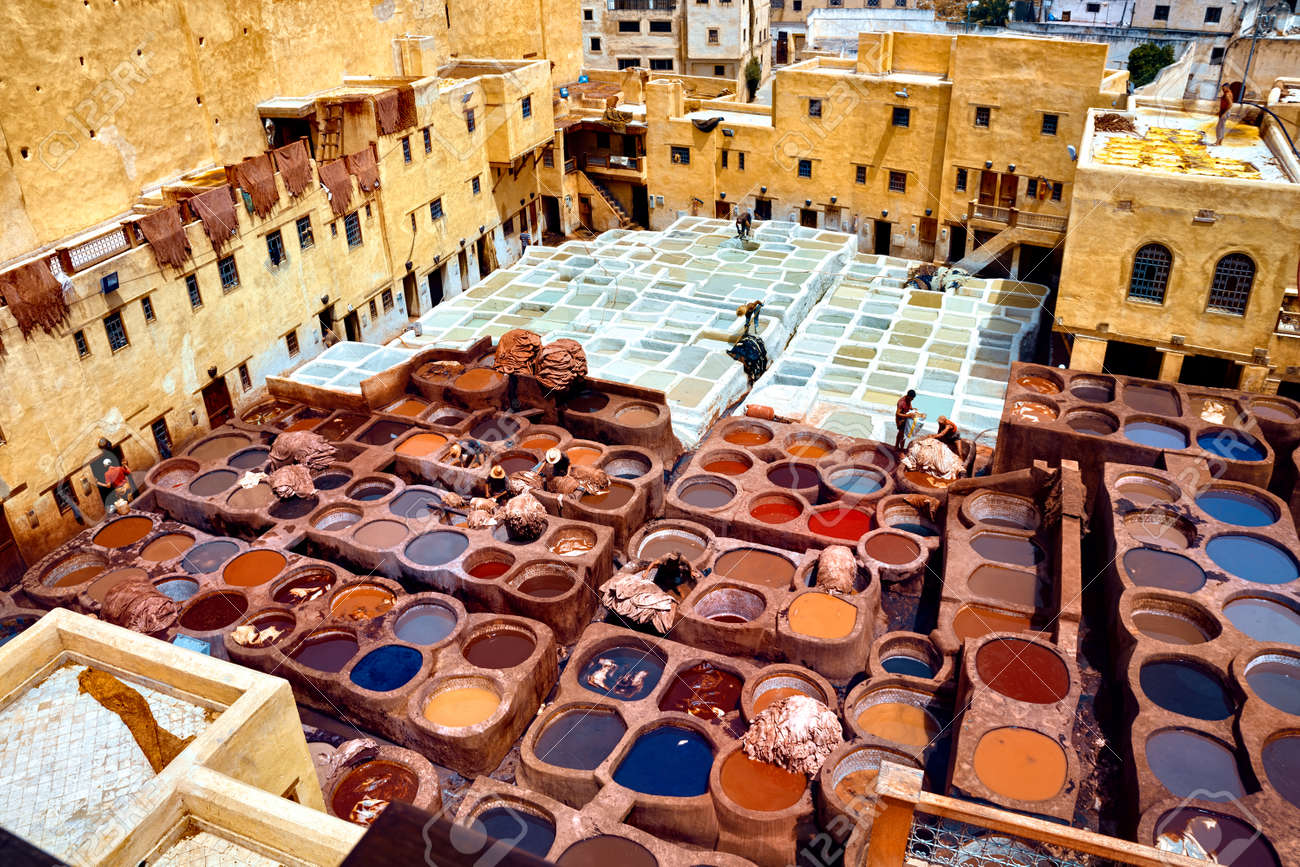
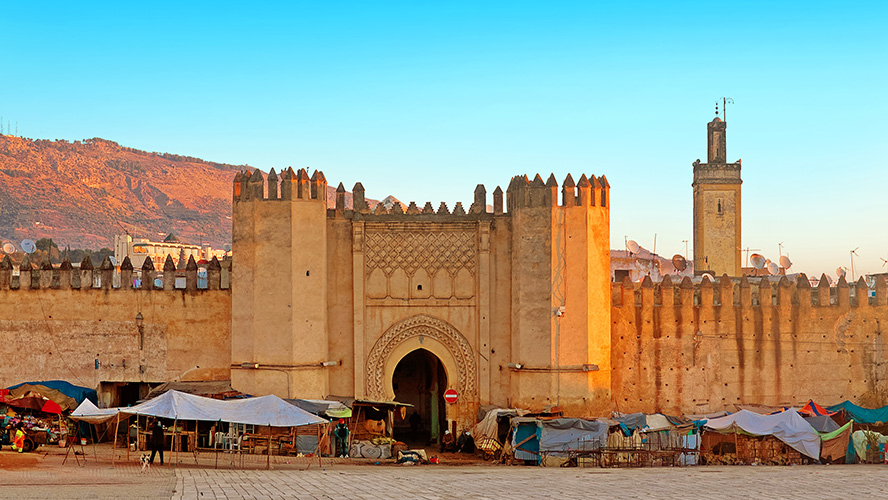
Set aside the whole day for Fez. The Fez medina, recognized as a UNESCO World Heritage Site, doesn't work well as a quick checklist of points. Orientation is hard, internal distances are deceptive, and much of the interest lies in the passageways, workshops, fondouks, fountains, and courtyards you come across along the way.
Bab Bou Jeloud is a practical landmark to start from. From the gate, two main streets head down into the medina and connect to markets, religious buildings, and workshops.
The Bou Inania Madrasa should be a priority. The courtyard and the details in wood, stucco, and tile help convey the architecture found in different historic buildings across the country. Check the hours and ticket before your visit.
The Al Quaraouiyine University and Mosque carry huge historical importance, but access to the religious areas may be limited for non-Muslims. Don't plan the day counting on a full interior visit. The surrounding area, inside the medina, is still part of the route.
The Chouara Tannery is usually viewed from terraces linked to leather shops. Confirm beforehand whether there's a charge, a ticket, or an expectation to buy. A purchase shouldn't be treated as required for terrace access.
The Nejjarine area, the souks, and the traditional crafts can round out the route. For anyone not used to large medinas, a licensed guide can help with context and cut down on wasted time, but agree on the price and duration before starting the service.
Avoid fitting in a long trip right after this visit. The medina calls for attention, walking, and time for breaks. Spend your second night in Fez.
Ifrane and Middle Atlas landscapes
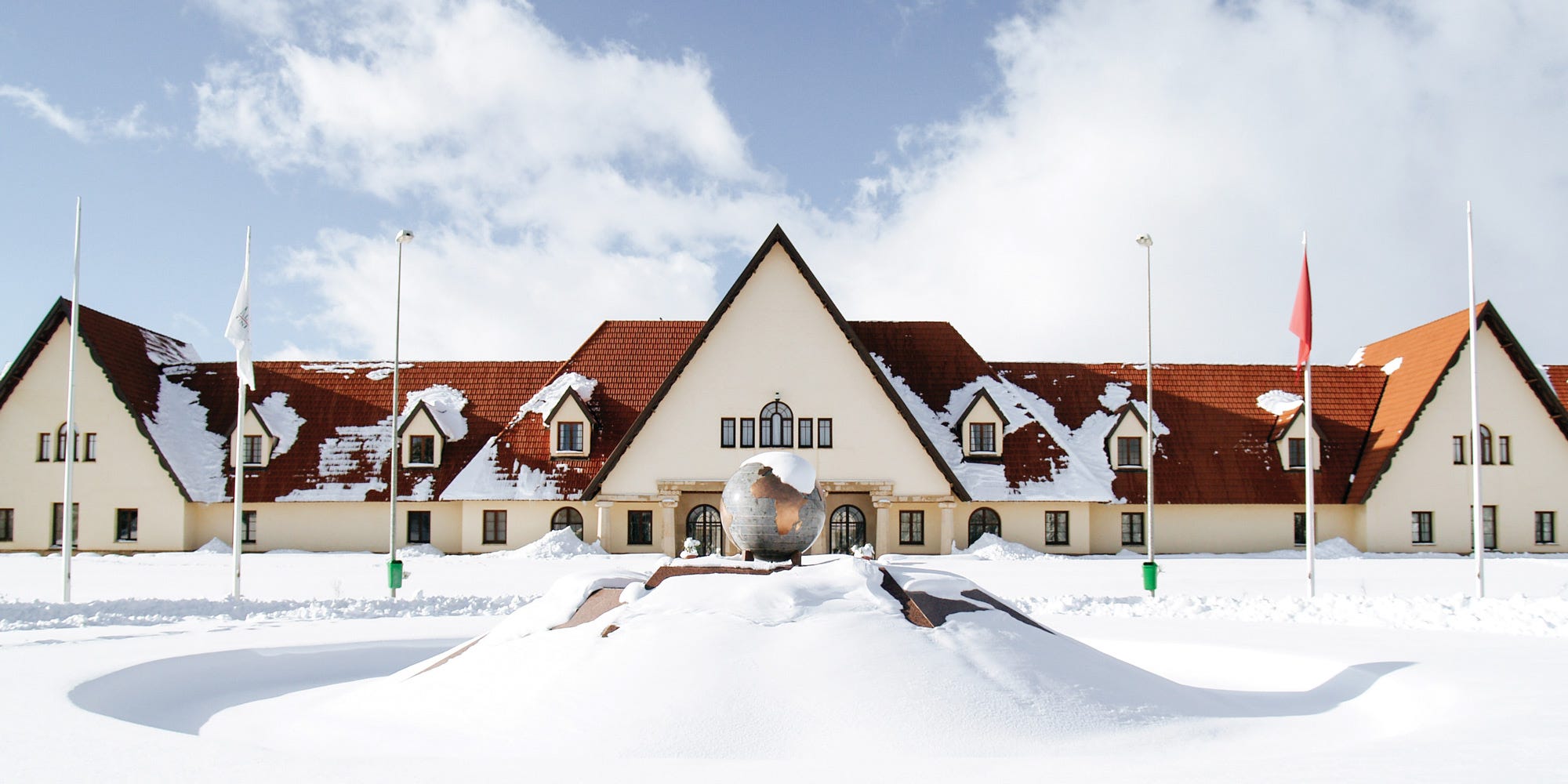
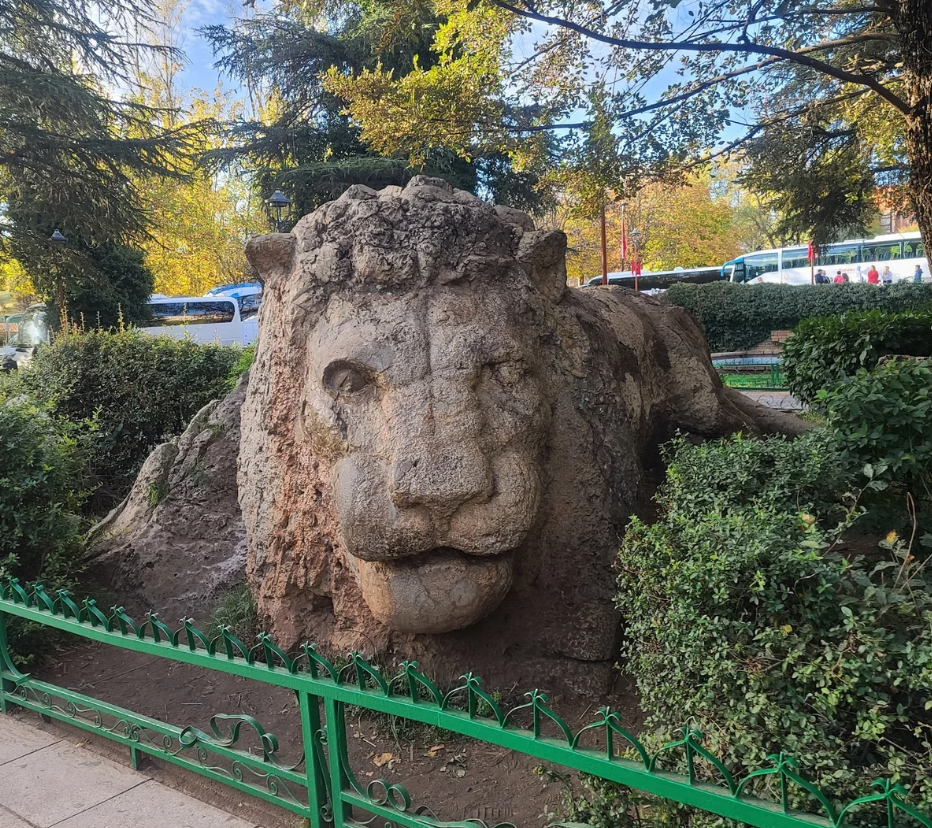
Ifrane contrasts with the medinas of the previous days. The altitude, the climate, and the sloped-roof architecture explain the nickname "Switzerland of Morocco," but the city doesn't need to be presented as a big collection of attractions.
Central Ifrane and the Stone Lion form a short stop. This day's real value is mainly the change of scenery and a lighter pace before the trip to Merzouga.
Azrou and the cedar forests can be combined with Ifrane. If you come across Barbary macaques in the region, keep your distance, don't offer food, and don't encourage them to approach for photos. Feeding animals changes their behavior and can create unsafe situations.
Anyone who enjoys nature can dedicate more time to the Middle Atlas. Anyone who'd rather cut down on hotel changes can turn Ifrane into just a stop and continue the trip, but that makes the drive to Merzouga considerably heavier.
In this plan, spend the night in Ifrane or Azrou. The choice should factor in parking, ease of departure, and the weather forecast, especially in winter.
From the Middle Atlas to Merzouga via the Ziz Valley
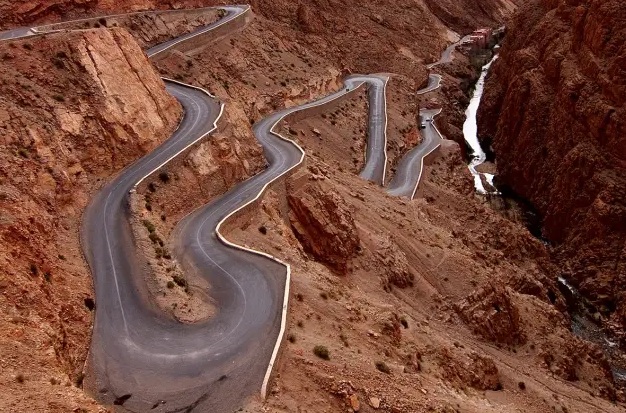
This is one of the longest days on the itinerary. Leave early, and don't schedule a dune excursion for a tight slot the same late afternoon. Driving time depends on road conditions, stops, and the exact location of your accommodation.
Midelt works as a practical stop for coffee or lunch. The goal isn't to fully sightsee the town, but to split up the drive and avoid too many hours in a row behind the wheel.
The Ziz Valley offers some of the best stopping points along the route, with palm groves and arid formations seen from elevated areas. Only use safe spots, and don't stop the vehicle on bends or shoulderless stretches just to take a photo.
Errachidia and Erfoud are landmarks along the way. Depending on the route and timing, they work as fuel and rest stops. Don't leave withdrawing cash or sorting out all the camp logistics for after you reach the dunes.
Arrive in the Merzouga area while there's still natural light. Confirm in advance whether your accommodation is in the village, right by the dunes, or in an area that requires specific transport.
Spend the night in Merzouga or around Erg Chebbi. Leave the main excursion for the next day.
Merzouga, the Erg Chebbi dunes, and a night in the desert
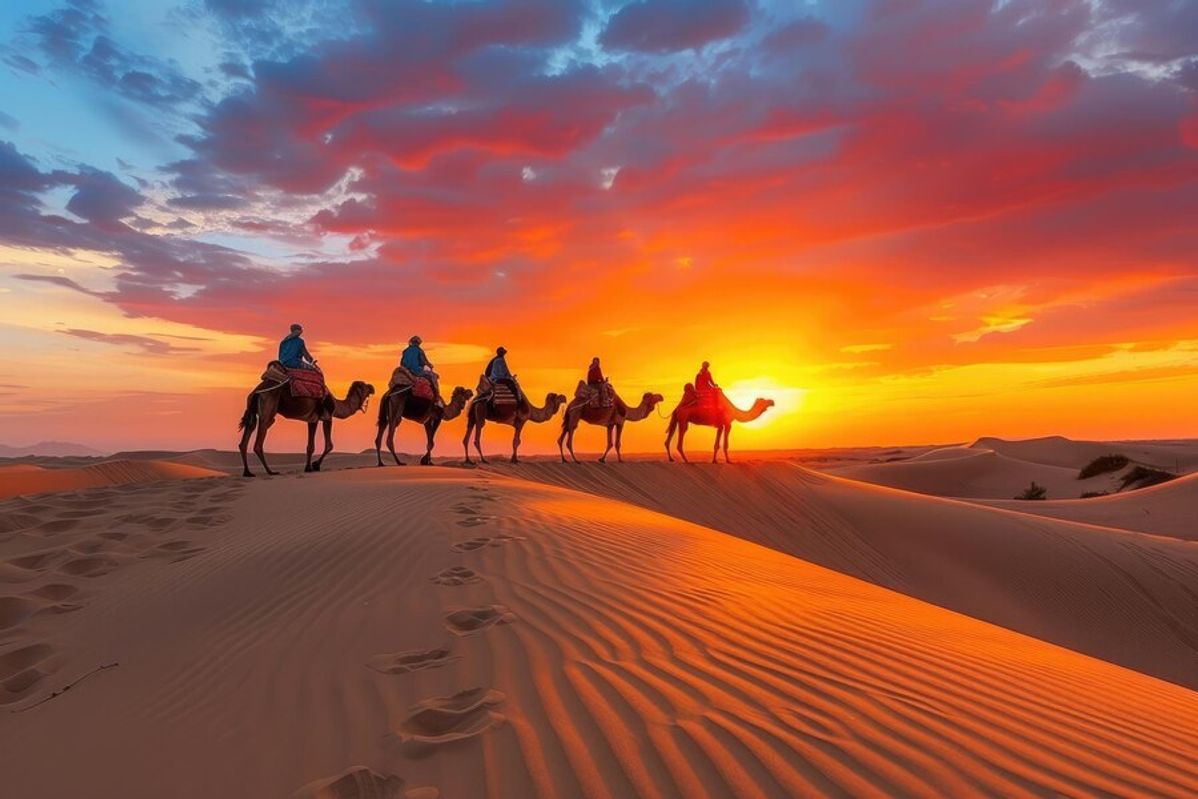
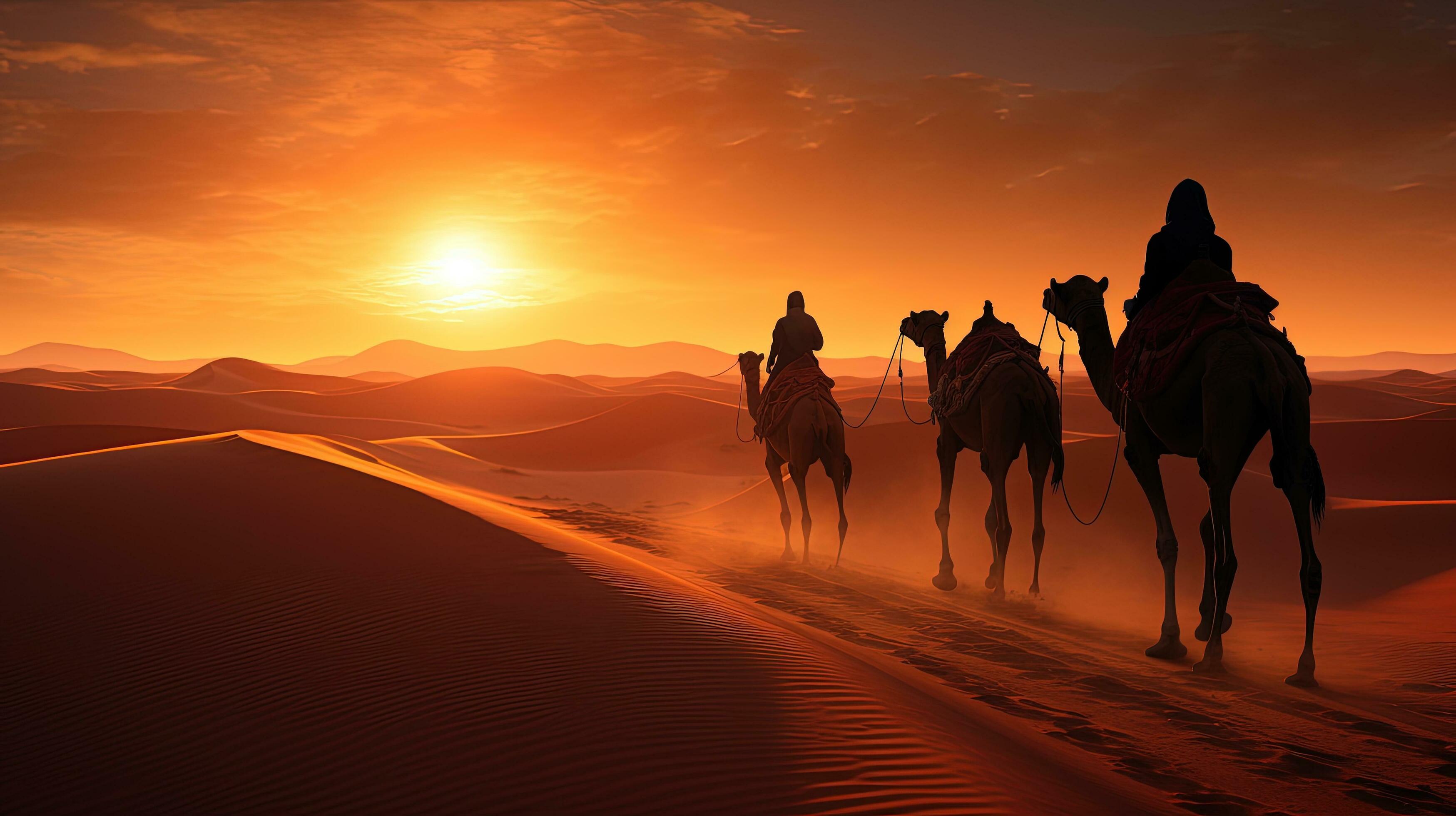
Dedicate this day to the Erg Chebbi area without turning the visit into a string of booked activities. The dunes, the changing light, and the swings in temperature throughout the day already justify setting aside unhurried time.
A 4x4 excursion can broaden your contact with the region beyond the area right around the hotels. Before booking, confirm the duration, route, number of passengers, meals, and what's included in the price.
A camel ride is optional, not a requirement for experiencing the desert. Anyone who wants to do it should check the animals' condition, avoid operators with inadequate practices, and confirm how long they'll spend riding. Walking an accessible area of the dunes or using 4x4 transport are alternatives.
A desert camp varies a lot in location and setup. Some sit close to the inhabited area, while others require more travel. Ask about the bathroom, showering, heating, ventilation, electricity, luggage transport, meals, and the cancellation policy.
The desert can be very hot during the day and cold after sunset. Bring water, sun protection, and a layer of clothing for the night. Sandstorms and weather changes can affect outdoor activities.
In this plan, the second night in the Merzouga area can be spent at a camp or at a fixed accommodation. The choice should depend on your desired comfort level, not pressure to buy a pricier package.
From Merzouga to Tinghir
If the night was spent at a camp, start the day with time to get back, have breakfast, and repack. Don't schedule an immediate departure without confirming how long the trip back takes.
Rissani can be included when the timing lines up with the market being open and the visit doesn't delay your arrival in Tinghir. On other days, it's just worth a brief stop.
The road leaves the dune region and continues through arid areas, small towns, and valleys. Take planned breaks and refuel before stretches with fewer services.
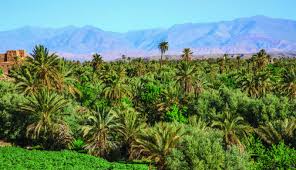
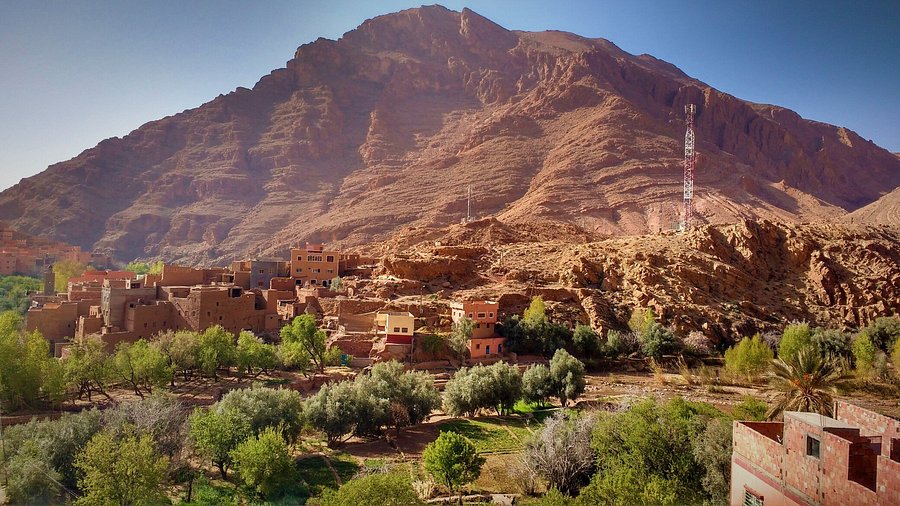
The Tinghir palm grove shows the contrast between the valley's cultivated areas and the dry mountains. If you arrive with daylight left, look for a safe viewpoint or take a short walk. I wouldn't save a long trail for the end of this day.
Spend the night in Tinghir or near access to the Todra Gorge. This base lets you start early the next day and avoids visiting the canyon during the busiest period.
Todra Gorge, the Dades Valley, and arrival in Ouarzazate
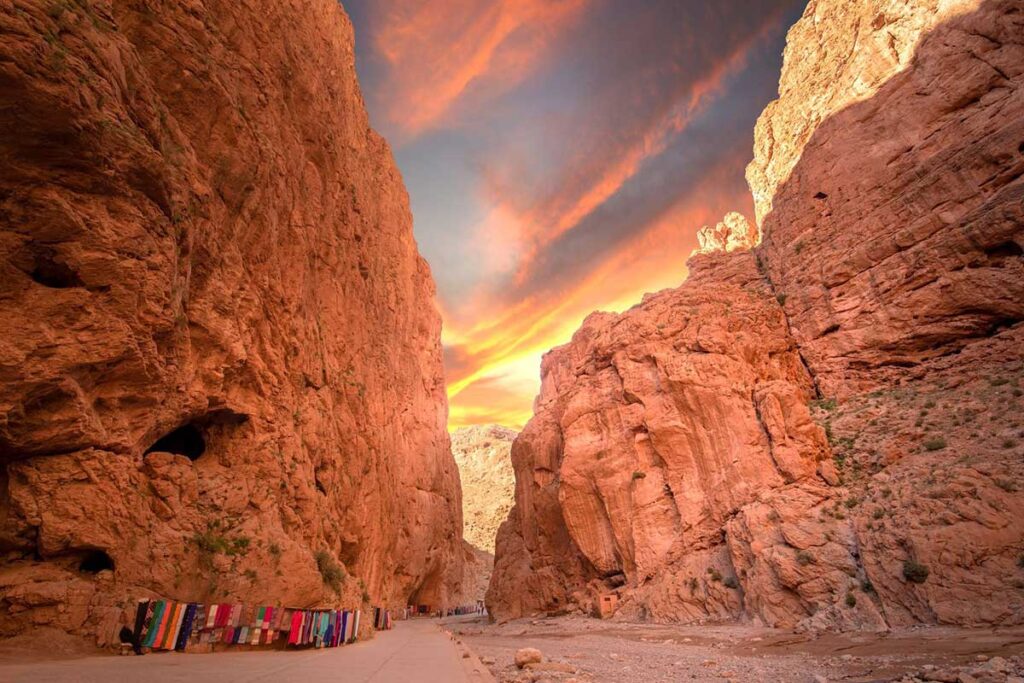
Start at the Todra Gorge. The best-known area can be covered in a short walk, but vehicle and visitor traffic changes quite a bit throughout the day. Arriving early improves the experience and leaves margin for the drive to Ouarzazate.
Anyone planning to hike beyond the main part of the canyon needs more time, water, and proper guidance. On this itinerary, I would keep the visit focused and continue the trip.
The Dades Valley can work as a scenic detour, but it shouldn't be treated as mandatory. The secondary roads and photo stops take more time than they seem to. If you leave the Todra late, head straight to Ouarzazate.
The so-called road of the kasbahs brings together villages, palm groves, and earthen buildings along the way. Not all of them are open to visitors, and some are private property or fragile structures. Follow local signage before entering.
Arrive in Ouarzazate with margin for check-in. Spend the first of two nights in the city.
Ouarzazate, Kasbah Taourirt, and the Atlas Film Studios
After several days of driving, use Ouarzazate as a base without adding another long trip. The city lets you combine southern Moroccan architecture and the region's connection to filmmaking.
Kasbah Taourirt is the main historical landmark in the center. Access to different areas can change due to conservation and restoration work. Confirm what's open before planning the rest of the day.
The Musée du Cinéma, facing the kasbah, can round out the visit when it's operating normally. It's optional for anyone planning to spend more time at the studios.
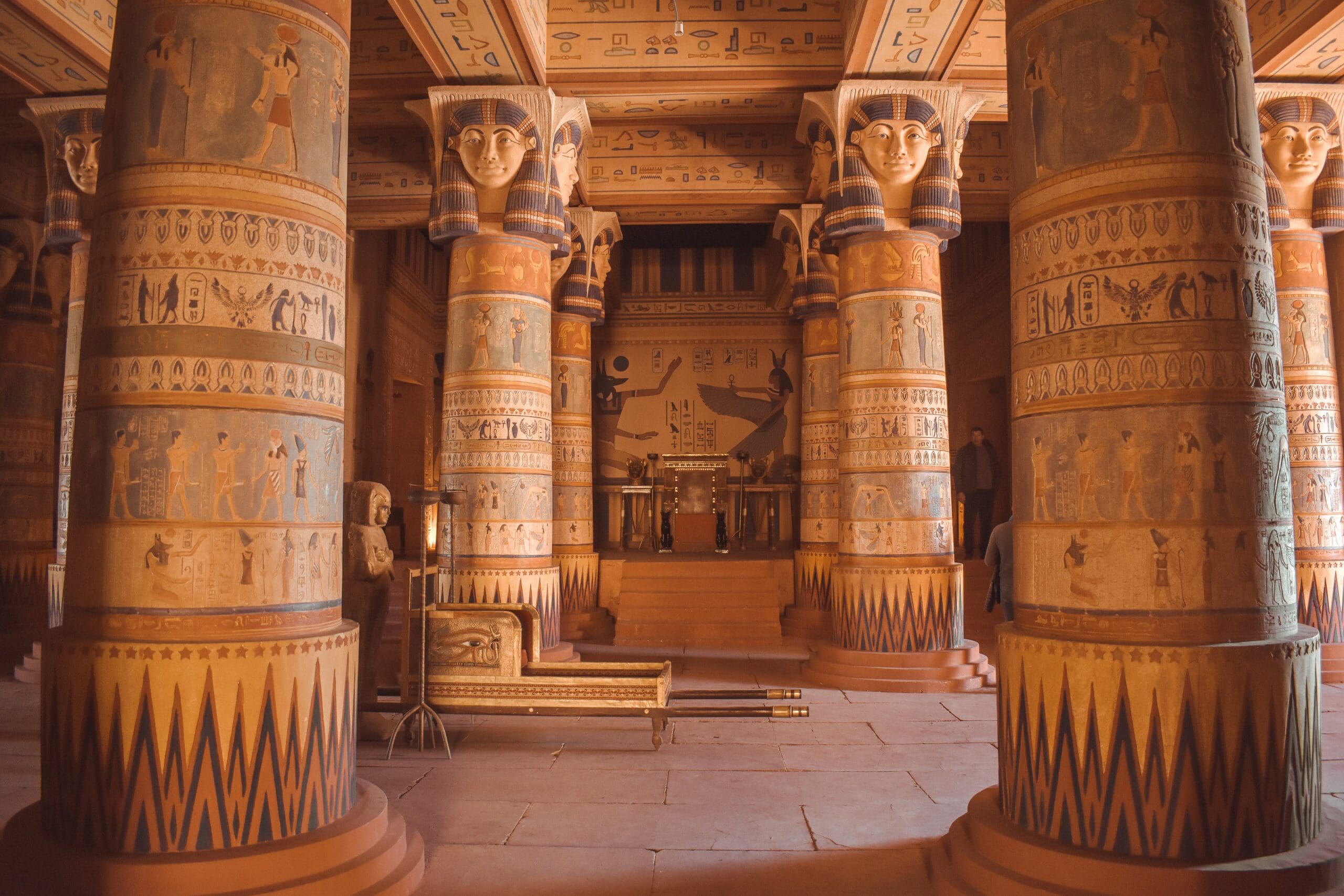
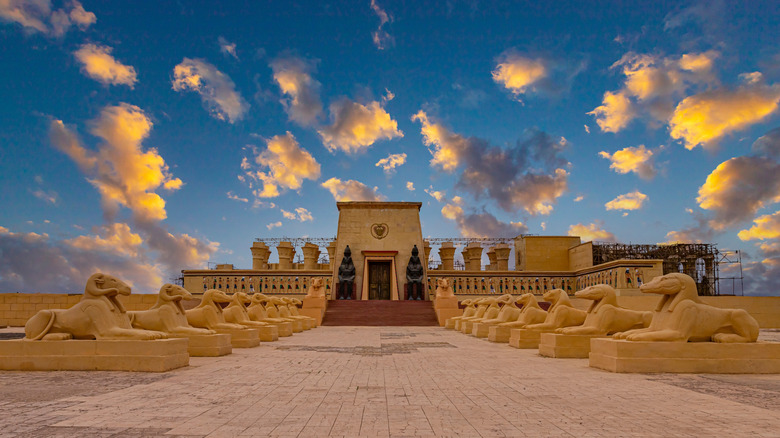
The Atlas Film Studios welcomes visitors on a guided route. Since it remains a working production space, the route can change when there's filming underway. Check the official website to confirm hours, prices, and conditions on the day of your visit.
The sets shouldn't be mistaken for original historic buildings. The interest lies precisely in seeing how different settings were built and reused for film productions.
Spend the second night in Ouarzazate. This lets you leave early for Ait Ben Haddou without needing to fit the studios, the ksar, and the High Atlas crossing into the same period.
Ait Ben Haddou and crossing the High Atlas
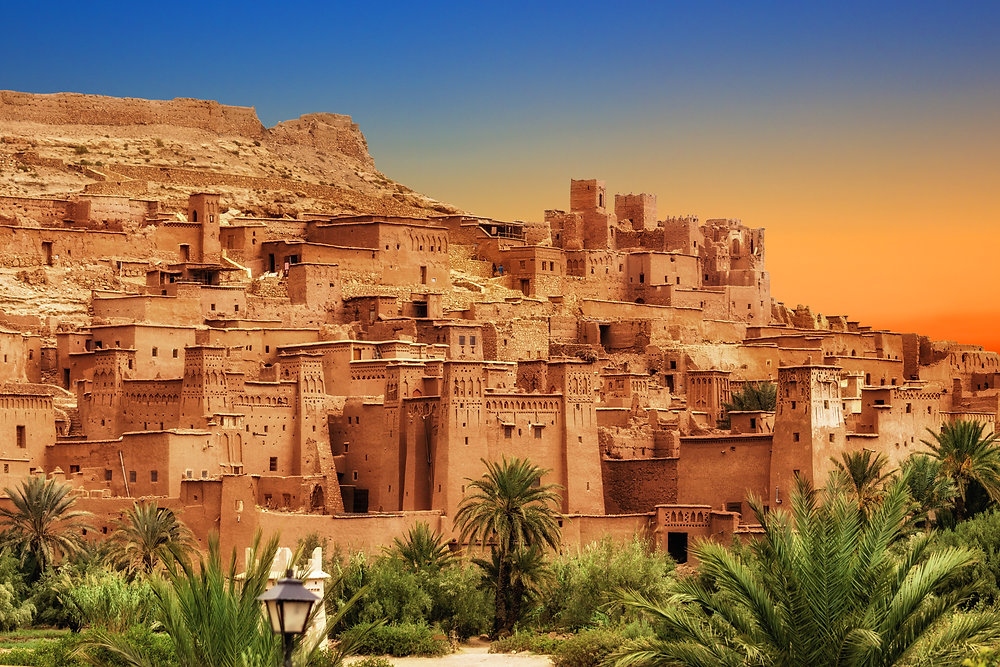
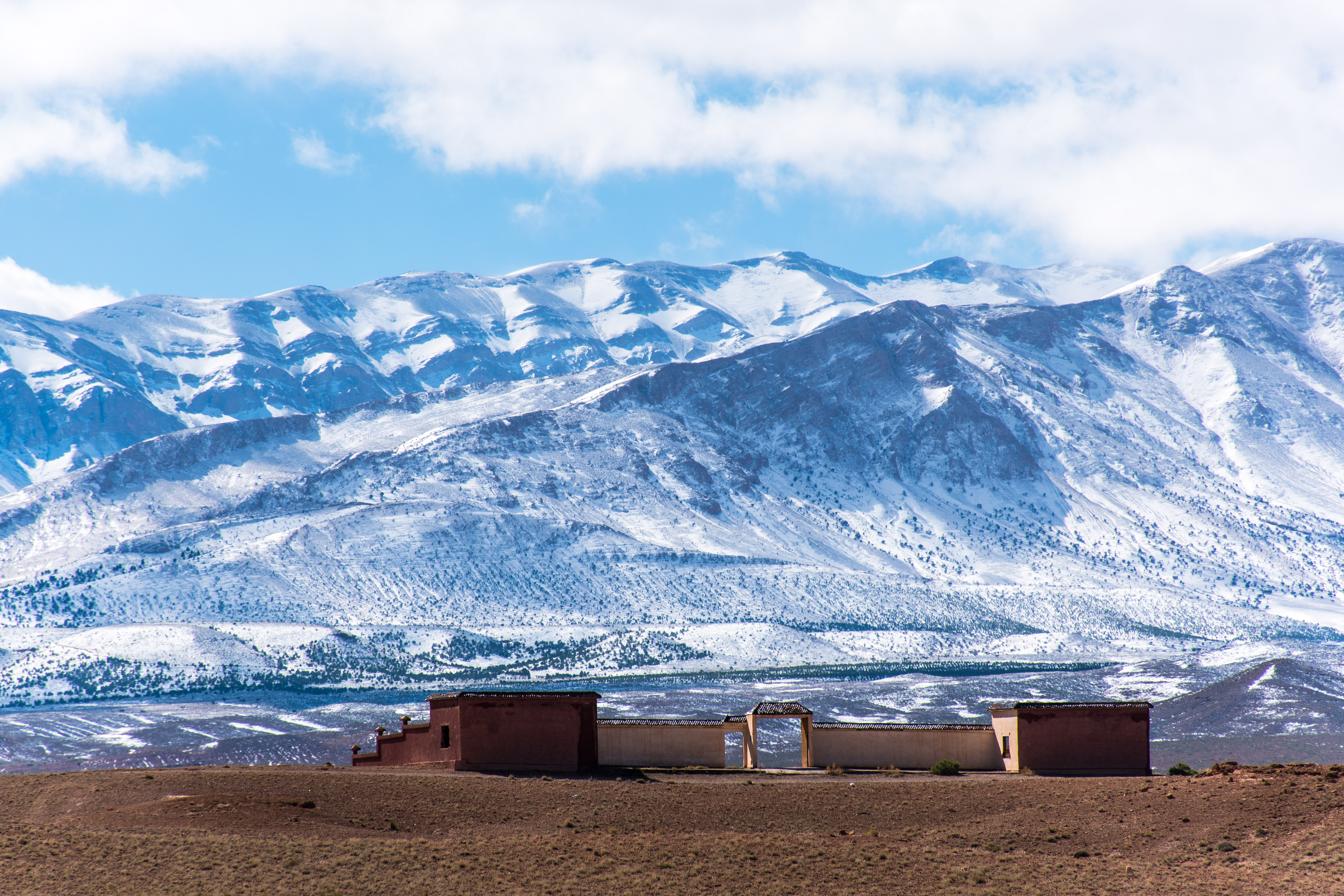
Ait Ben Haddou is a ksar, meaning a fortified complex of earthen buildings, not just a single kasbah. Recognized as a UNESCO World Heritage Site, the site preserves an important example of pre-Saharan architecture from southern Morocco.
Leave Ouarzazate early and set aside time to cross the river, walk through the passages, and climb gradually. Reaching the upper areas calls for attention to the heat and the condition of the path.
Some houses and interior spaces may charge separate entry. Agree on any payment before entering, and respect the residential areas. Visiting the exterior complex shouldn't depend on buying products or accepting an insistently offered guide.
After the visit, continue toward Marrakech through the High Atlas. The Tizi n'Tichka stretch has bends, altitude changes, and possible roadwork. Weather conditions can also affect the road, especially in winter.
Don't treat the duration shown by a navigation app as a guarantee. Add margin for stops and reduced speed. Avoid starting the crossing in the late afternoon expecting to make up for delays by driving at night.
Arrive in Marrakech and stick to just a short walk or dinner near your accommodation. Spend the first of three nights in the city.
Marrakech in 3 days: medina, palaces, and gardens
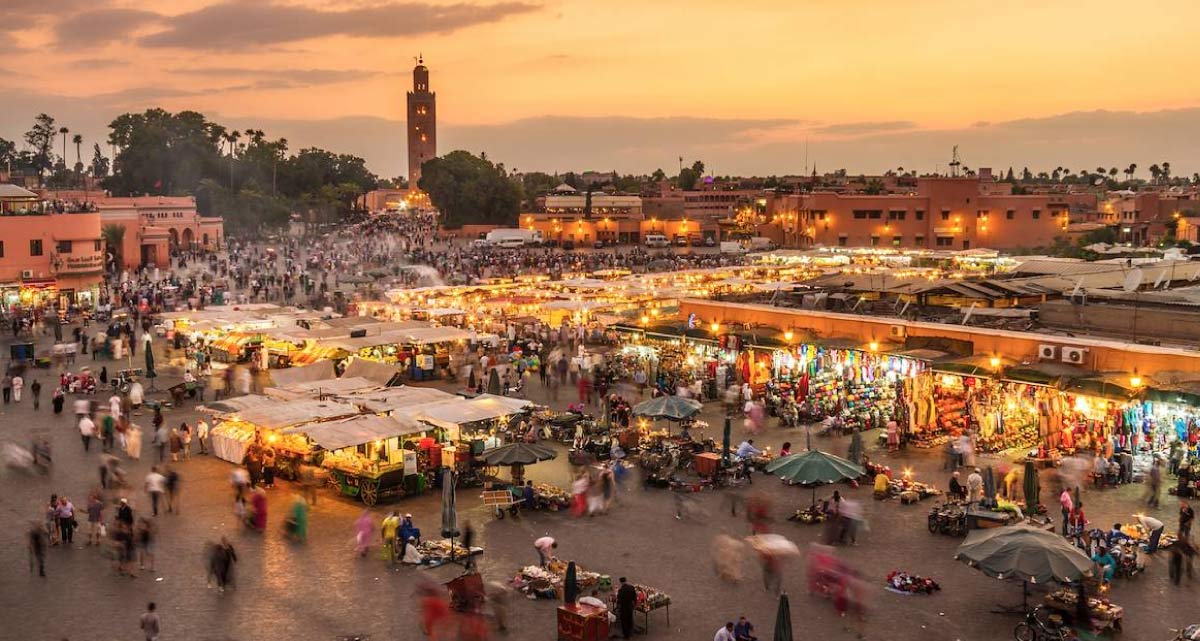
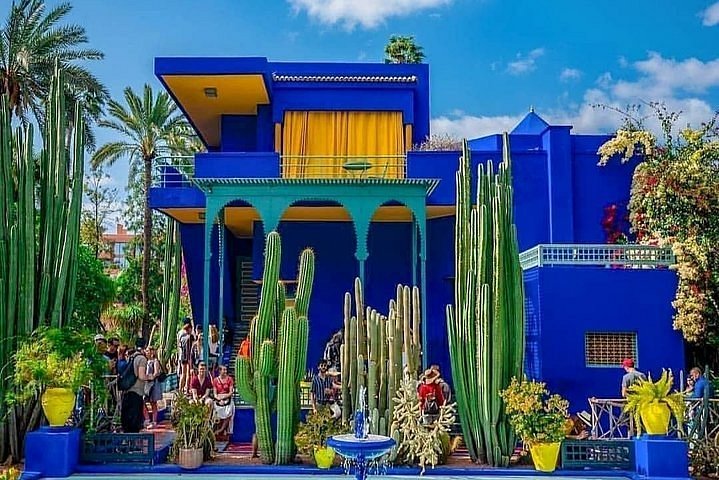
After the drives through the south, the last three days focus on Marrakech. Splitting the city by area cuts down on unnecessary crossing back and forth and creates breaks between the medina, the monuments, and the gardens.
Medina, souks, and Jemaa el-Fna
Start with a guided walk through the medina to identify gates, main streets, and landmarks. Don't try to just follow the shortest route shown on your phone, since some passages are covered, narrow, or hard to recognize.
The souks of Marrakech occupy different sections of the medina. Compare prices, confirm the currency, and negotiate only when there's real interest. Photographing people, workshops, and products up close should be done with permission.
The Ben Youssef Madrasa can fit into this day since it's in the northern part of the medina. Set aside time to take in the courtyard and the architectural details, rather than treating it as a quick photo stop.
Jemaa el-Fna changes throughout the day. The square gets busier in the late afternoon and at night. Keep an eye on bags and personal items, agree on prices before ordering or accepting services, and avoid photographing performances without asking about a charge.
A rooftop café can offer a break from the crowds, but confirm beforehand whether there's a minimum order or a reservation policy. Spend the night in Marrakech.
Palaces and historic architecture of Marrakech
Organize this day around the southern part of the medina, starting with the attractions that have set entry times.
The Bahia Palace brings together courtyards, gardens, and decorated rooms. How many rooms are accessible can vary, so check current conditions before your visit.
The El Badi Palace presents ruins and large open spaces. It offers a different read from the Bahia and calls for sun protection.
The Saadian Tombs can be combined with El Badi and the Kasbah area. During busy hours, the more decorated spaces can form lines.
The Koutoubia Mosque is an important landmark in the city's skyline. Non-Muslim visitors are limited to the exterior and the nearby gardens. Don't plan on entering the prayer hall.
Avoid adding the Majorelle Garden to this same day just to complete a list. It's outside the medina and works better with a ticket booked for the following morning.
Majorelle Garden, last visits, and departure
The last day should be adapted to your flight time. If departure is early, don't schedule any attractions. Factor in traffic, the time needed to leave the medina, and the margin required by the airport.
The Majorelle Garden runs on official tickets bought online. Book your time slot in advance and use only the channel indicated by the garden itself, which warns about tickets sold on unauthorized sites.
The Pierre Bergé Museum of Berber Arts is inside the garden complex, while the Yves Saint Laurent Museum is nearby. There's no need to visit all three spaces. Choose based on your interest and available time.
If your flight leaves later in the day, use the remaining time for an unhurried meal or specific shopping. Don't leave negotiating big purchases, withdrawing cash, or the trip to the airport for the last minute.
Anyone who needs to return to Casablanca should factor that logistics into the itinerary ahead of time. I don't consider it safe to fit a long trip and an international flight into the same window with no margin.
What I would prioritize in this 14-day Morocco itinerary
In Casablanca, I would focus the time on the Hassan II Mosque. Habous and the Corniche can fit in depending on your flight time.
In Rabat, I would keep the Kasbah des Oudaias, Hassan Tower, and the Mausoleum of Mohammed V. Chellah rounds out the day nicely when it's open and there's enough time.
In Fez, the priority would be walking the medina along a coherent route, visiting the Bou Inania Madrasa, and understanding the traditional crafts. The tanneries fit in as part of the city's context, not as a reason to accept pressured shopping.
In the south, I would protect the time set aside for Erg Chebbi, the Todra Gorge, and Ait Ben Haddou. These are the places that justify the longest drives on this route.
In Marrakech, I would split the visits between the medina, the historic southern section, and the Majorelle Garden. That organization matters more than trying to check off every attraction in the city.
What can be optional
Mohammed V Square, Rick's Café, and other secondary stops in Casablanca can be dropped without hurting the itinerary.
The night in Ifrane is optional. It improves the pace but adds another accommodation change. Anyone who prefers fewer changes can use the city as a stop between Fez and Merzouga.
Volubilis would require more time on the third day. I would only add the archaeological site with an early departure, organized transport, and a willingness to cut the Meknes visit shorter.
The camel ride, the 4x4 excursion, and a night at camp are independent choices. There's no need to book all of them to experience Erg Chebbi.
The longer detour through the Dades Valley is also optional. If you're running late, protect the Todra visit and continue to Ouarzazate.
Smaller museums in Marrakech can be chosen based on interest. There's no benefit in stacking up entries when fatigue already gets in the way of a proper visit.
Mistakes that can make the itinerary tiring
The main mistake is underestimating the stretch between Fez, Ifrane, and Merzouga. Even when the distance looks manageable on a map, stops, roadwork, bends, and altitude changes add to the time needed.
Another problem is driving mountain or desert stretches at night to make up for delays. Reduced visibility, animals on the road, roadwork, and fatigue make that decision unnecessarily risky.
Avoid reaching the Merzouga area without confirming your accommodation, transport to the camp, and included services. The name "desert camp" can cover very different setups and locations.
Don't try to combine the Todra Gorge, the Dades Valley, Ouarzazate, the Atlas Studios, Ait Ben Haddou, and arrival in Marrakech into a single day. That combination reduces every place to a quick stop and increases the chance of crossing the High Atlas late.
I also wouldn't recommend adding Chefchaouen, Essaouira, or Agadir to the same 14 days without dropping other bases. The itinerary already crosses much of the country and has eight accommodation bases.
Finally, don't book your international flight counting only on the time an app estimates. City traffic, roadwork, weather, and stops can all affect travel times.
Travel planning for Morocco: essential tips
Before booking the itinerary, decide how you'll handle the stretch between Fez and Marrakech, confirm how your accommodations are distributed, and leave margin for the Middle and High Atlas roads.
Transport and driving
- Train works well on the Casablanca, Rabat, Meknes, and Fez axis
- A car, driver, or tour is more practical for the Merzouga and Ouarzazate stretch
- Confirm fuel, insurance, deductibles, and rules for unpaved roads
- Avoid driving long distances at night
Where to stay
- 1 night in Casablanca and 1 night in Rabat
- 2 nights in Fez and 1 night in Ifrane or Azrou
- 2 nights in the Merzouga area, 1 in Tinghir, and 2 in Ouarzazate
- 3 nights in Marrakech to finish without another long trip
How to pay
- The official currency is the Moroccan dirham
- Cash still matters at markets, taxis, villages, and small stops
- Cards are more common at hotels, restaurants, and larger venues
- Don't rely on a single card, and don't leave withdrawals for the desert region
Best season
- Spring and fall tend to offer more balanced temperatures
- Summer can be very hot in Marrakech and the south
- Desert nights can be cold even after hot days
- In winter, check the weather and road conditions in the Atlas