Last updated: June 2026
Uzbekistan was one of the trips that surprised me most, with historic Silk Road cities that often feel removed from the present day. This six-day itinerary follows my exact route from Khiva to Bukhara and Samarkand before finishing in Tashkent. The order creates a natural progression from the country's preserved historic centres to its modern capital.
I travelled in April 2026, when mild temperatures made walking and sightseeing comfortable. The journeys between cities became an important part of the experience: I reached Khiva by flying to Urgench and continuing by taxi, travelled from Khiva to Bukhara in an old Soviet-style sleeper train, and used trains for the remaining routes. Rail travel in Uzbekistan was comfortable and added another dimension to the trip.
This six-day itinerary covers Khiva, Bukhara, Samarkand and Tashkent in the order I visited them, with practical information about transport, accommodation and the main sights in each city.
6-day Uzbekistan itinerary: what to do day by day
Day-by-day itinerary
- Days 1–2, Khiva, the walled city of Ichan Kala
- Day 3, Bukhara, the heart of the Silk Road
- Days 4–5, Samarkand, the grandest monuments
- Day 6, Tashkent, the modern capital
Khiva: the walled city of Ichan Kala
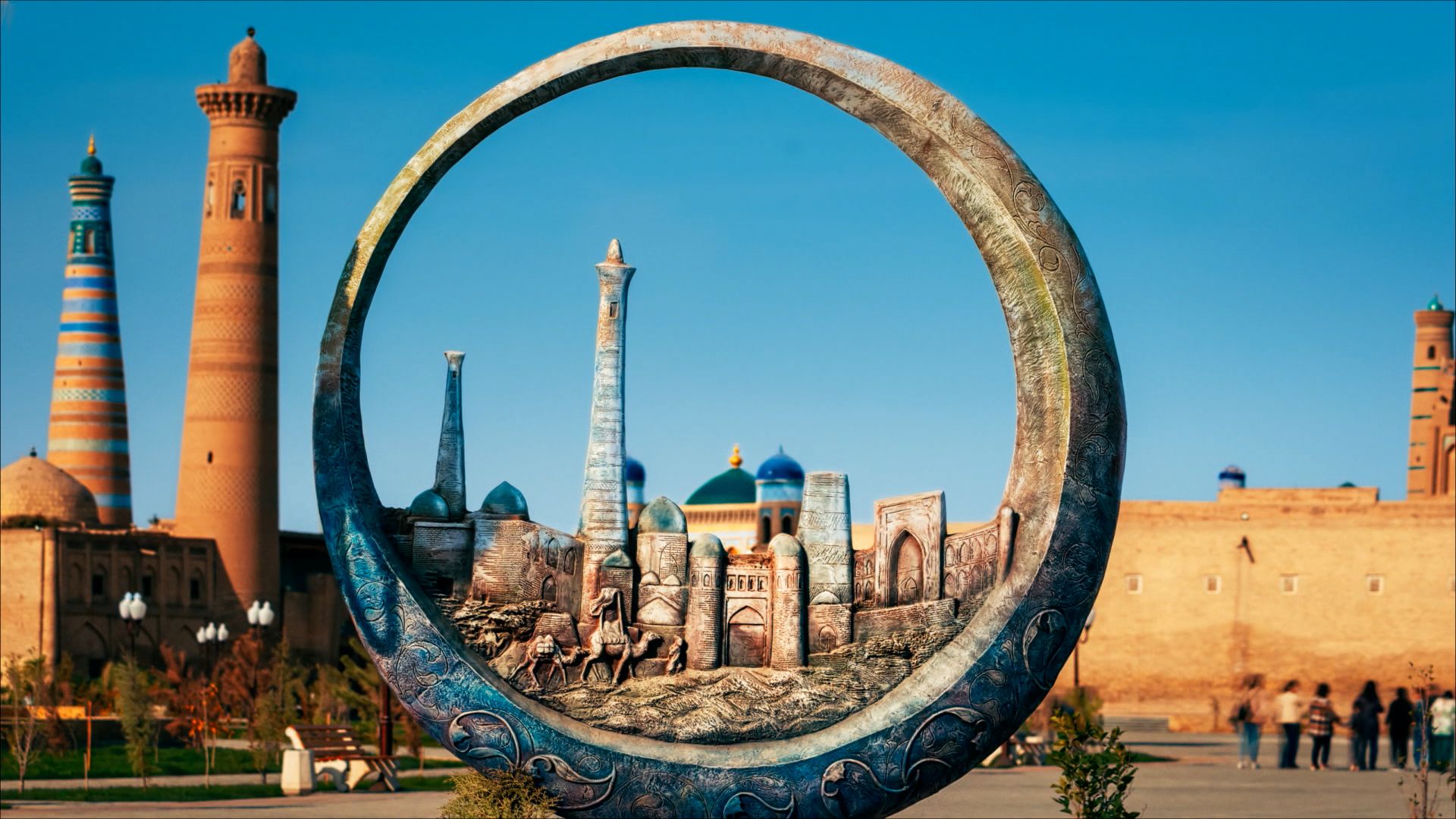
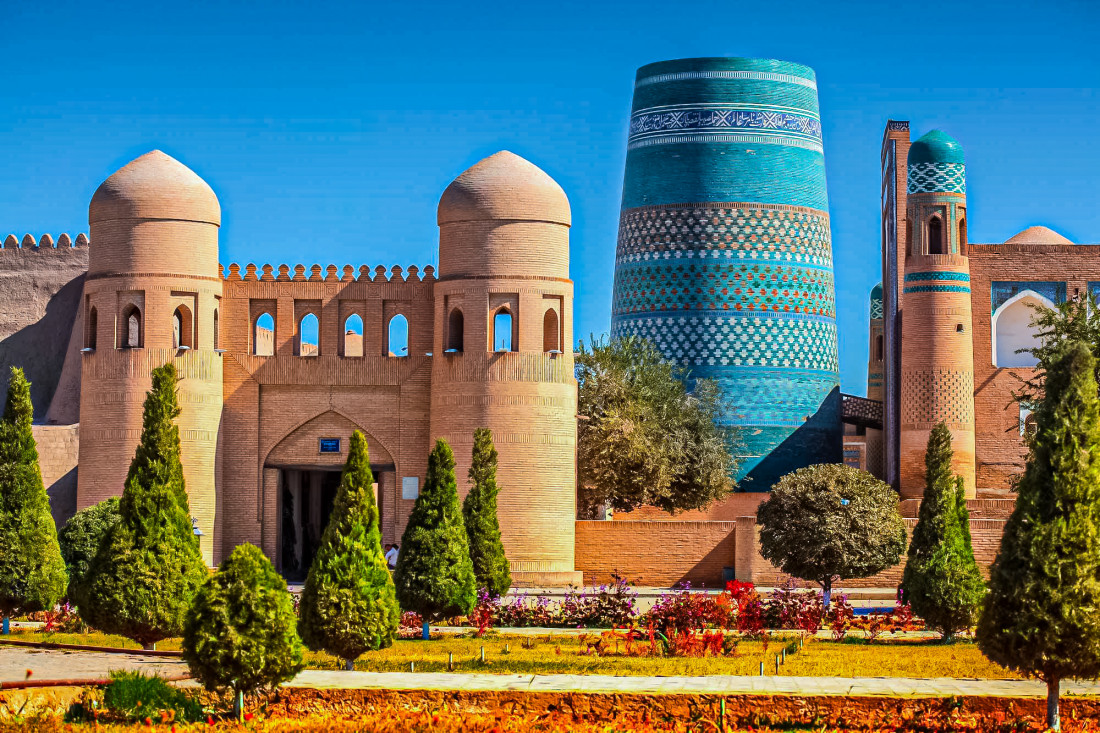
Khiva was my first stop and a perfect start. I arrived by plane via Urgench and a taxi, and crossing the gate of Ichan Kala was like travelling back in time, it was my favourite moment in the city.
Ichan Kala, the walled historic centre, one of the best preserved in the world, where minarets, madrassas and mosques concentrate in a compact area you can explore entirely on foot.
Kunya-Ark, the old citadel of the rulers; I climbed to the top for one of the best panoramic views of the walled city.
Walls at sunset, climbing the wall at dusk is not to be missed, the golden light over the monuments creates one of the most beautiful scenes in the country.
Khiva at night, with less movement and the lighting on the monuments, the city takes on an even more special atmosphere. It's worth seeing Khiva by day, at sunset and at night.
Bukhara: the heart of the Silk Road
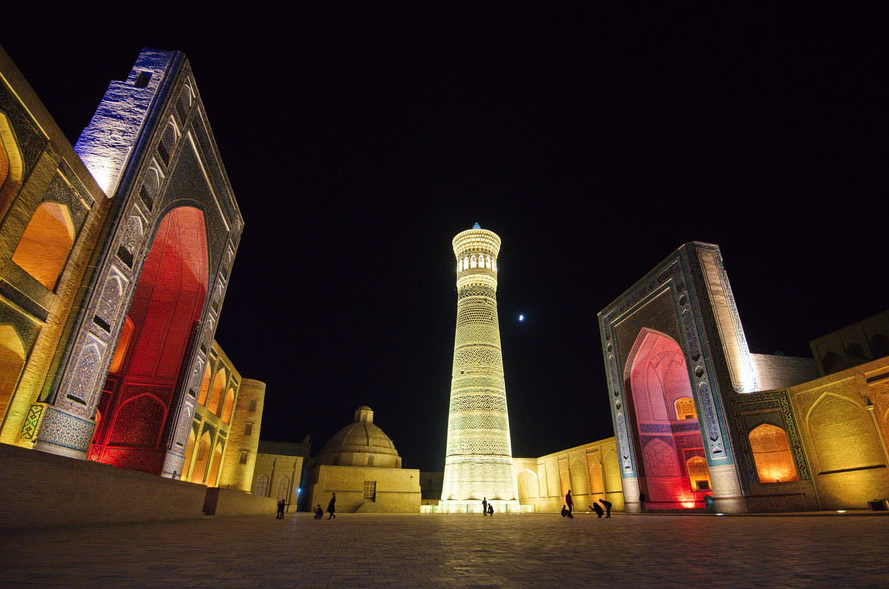
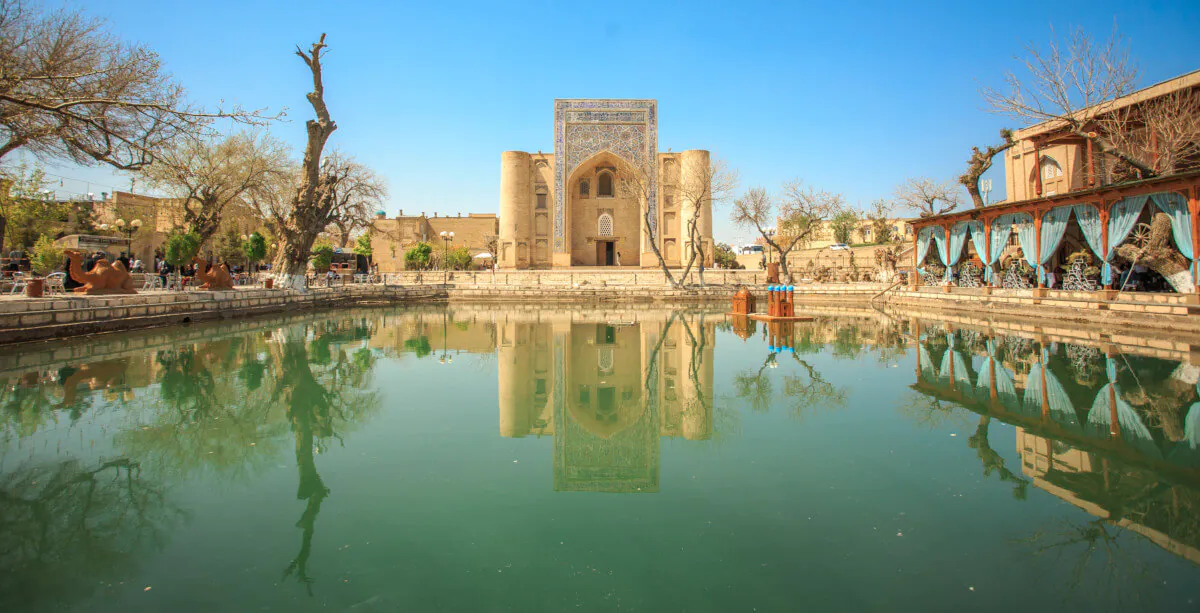
From Khiva to Bukhara I took an old, Soviet-style train with sleeper cabins, one of the most memorable experiences of the trip. Bukhara was one of the cities I enjoyed most, with the whole historic centre explorable on foot.
Poi-Kalyan Complex, the main ensemble in Bukhara, bringing together the Kalyan minaret, the mosque and the Mir-i-Arab madrassa. Go by day and come back illuminated at night, the experience changes completely.
Ark of Bukhara, the ancient fortress of the rulers, huge, which impresses mainly through the scale of the walls seen from outside.
Lyabi-Hauz, my favourite spot in Bukhara, a square with a central pool surrounded by cafés and restaurants, perfect for taking in the calm atmosphere of the city and trying some plov.
Samarkand: the grandest monuments
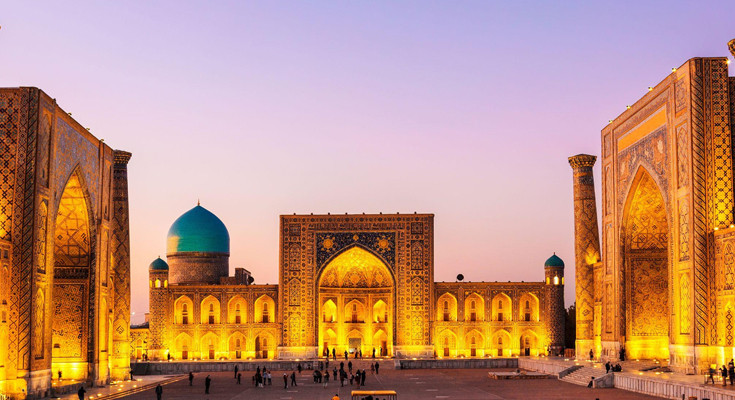
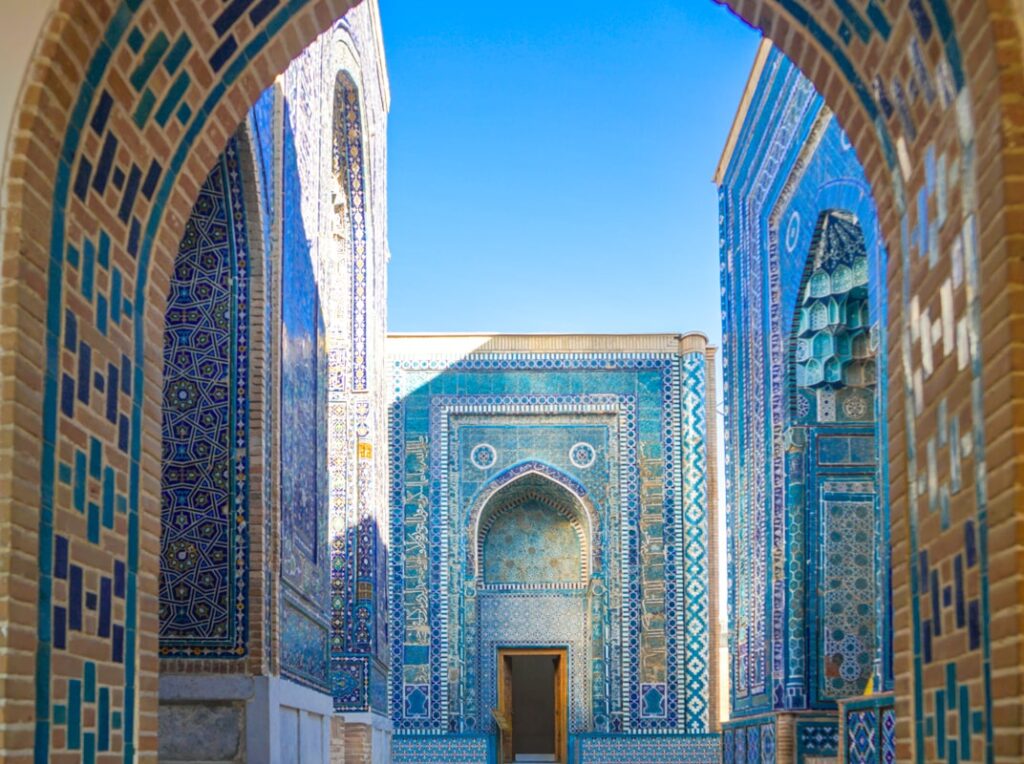
From Bukhara I went on to Samarkand by train. It's a bigger, more spread-out city than the previous ones, with the grandest monuments in the country. Here it's worth using a taxi or app between the attractions.
Registan, the main landmark of Uzbekistan, much larger and more striking in person than in the photos. Go inside the three madrassas (the golden interior of the Tilya-Kori is not to be missed) and come back illuminated at night, it was my favourite moment in the city.
Shah-i-Zinda, a corridor of mausoleums with the most beautiful blue tiles in the country. It's a sacred place, so go with appropriate clothing.
Gur-e-Amir, the mausoleum of Tamerlane, with the iconic blue dome and a decoration that struck me a lot.
Siyob Bazaar, a traditional market next to the Bibi-Khanym, great for taking in local life and trying non bread.
Tashkent: the modern capital
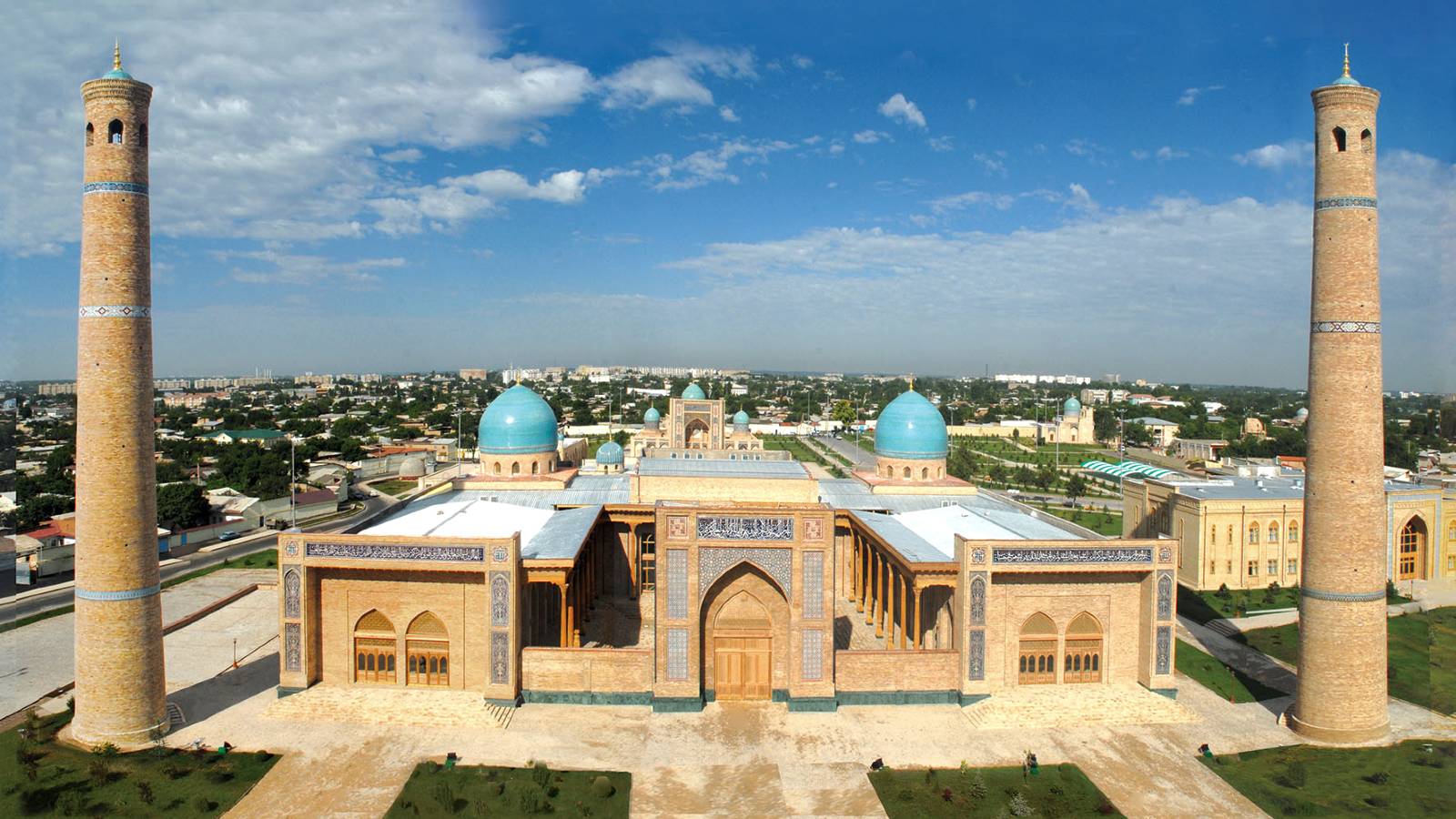
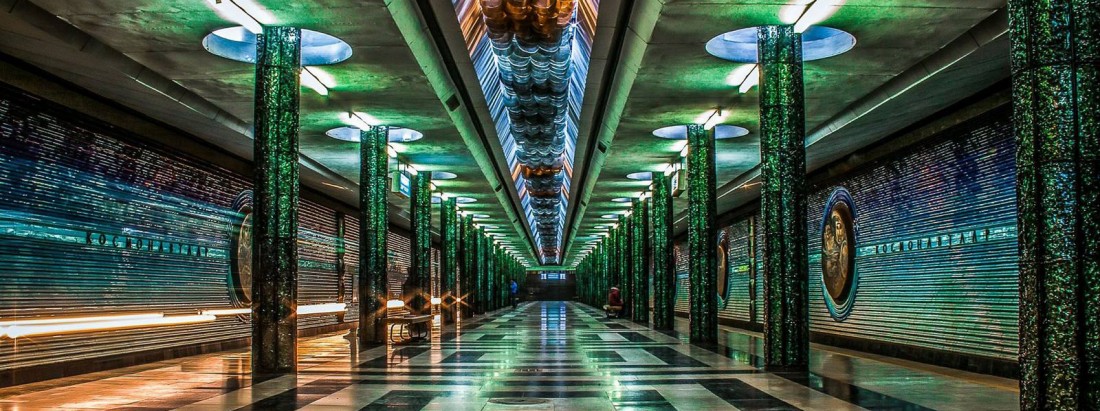
I finished the trip in Tashkent, arriving from Samarkand by train. It's the capital, modern and spread out, quite a contrast with the historic cities. You can't do everything on foot: I used the metro and taxis.
Tashkent metro, one of the things I enjoyed most in the city. Several stations are so decorated they look like works of art, worth visiting as an attraction, not just for transport.
Chorsu Bazaar, the market with the blue dome, one of the best places to take in local life and try non bread.
Hazrati Imam Complex, the religious centre of the capital, which holds the Uthman Quran, one of the oldest in the world.
Magic City Park, to finish, the modern and family-friendly side of Tashkent, best visited at night, when the lighting transforms the park.
Practical tips for travelling through Uzbekistan
Uzbekistan is an easier destination than it seems, with good train infrastructure between cities and very welcoming people. I went in April and highly recommend this time of year, with mild weather for exploring the cities on foot.
Getting around
- I arrived in Khiva via Urgench (plane + taxi); between the cities, I travelled by train
- From Khiva to Bukhara I took the Soviet night train with sleeper cabins; there are also fast trains
- Within Khiva and Bukhara everything is on foot; in Samarkand and Tashkent use a taxi/metro
Tickets and money
- Many monuments charge entry; in Khiva there's a general ticket that usually lasts 2 days
- Bring cash (Uzbek som) for tickets and markets
- Prices are affordable by Western standards
Best time
- April was perfect: mild weather, ideal for walking all day
- Spring (April–May) and autumn (September–October) are the best seasons
- Avoid summer, when the heat inland is very intense
Food and culture
- Try plov (the national dish) and non bread, present in every market
- At religious sites, wear appropriate clothing, covering shoulders and knees
- Try local sweets like Uzbek halva