Last updated: June 2026
Bukhara was one of the cities I enjoyed most in Uzbekistan. With more than 2,000 years of history, it is a major centre of the ancient Silk Road, bringing mosques, madrassas and traditional markets together in a compact historic district that can be explored on foot. I visited in April 2026 and found the mild weather ideal for walking at a relaxed pace.
I arrived from Khiva on an old Soviet-style sleeper train. It was neither the fastest nor the most modern option, but the journey became a memorable part of the trip. A faster and more comfortable high-speed service now reaches Bukhara, although the overnight train remains worth considering for travellers who enjoy this kind of experience.
This one-day itinerary covers the principal sights of Bukhara's historic centre, most of which are close together. My main recommendation is to stay in the old city, as I did. The central location made the route much easier because several important places were only a short walk from my hotel.
1-day Bukhara itinerary: what to do day by day
Day-by-day itinerary
- Day 1, Historic centre of Bukhara, main monuments and complete walking route
Bukhara in 1 day
Morning
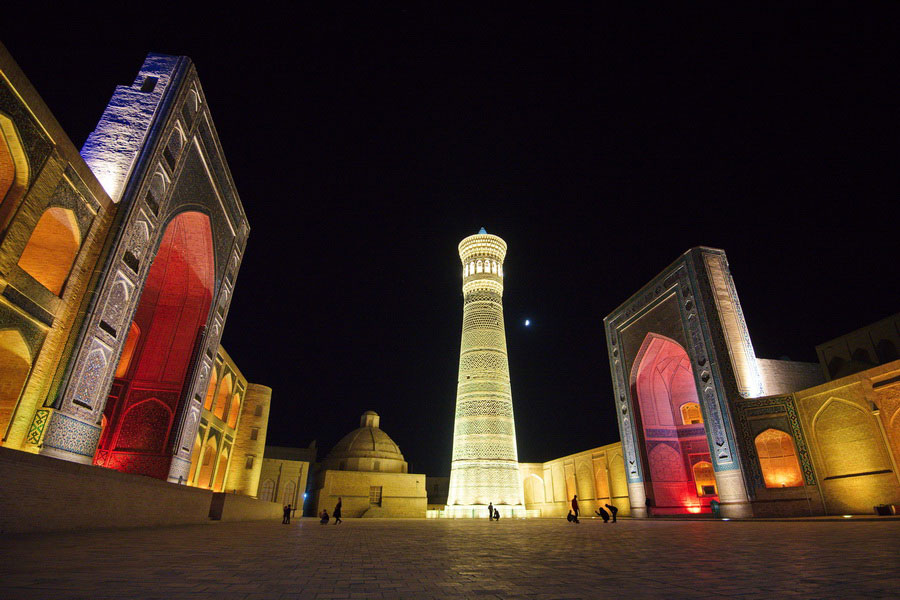
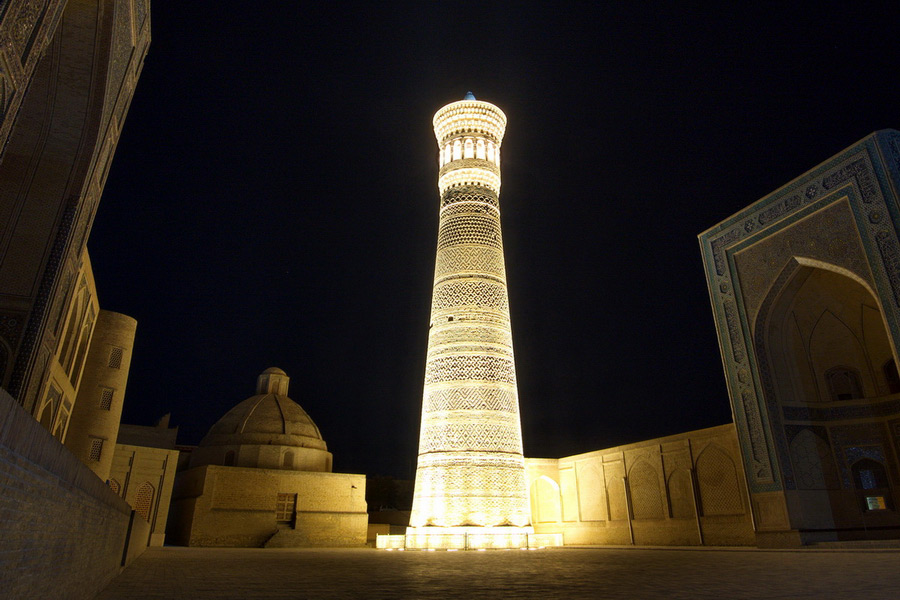
Poi-Kalyan Complex
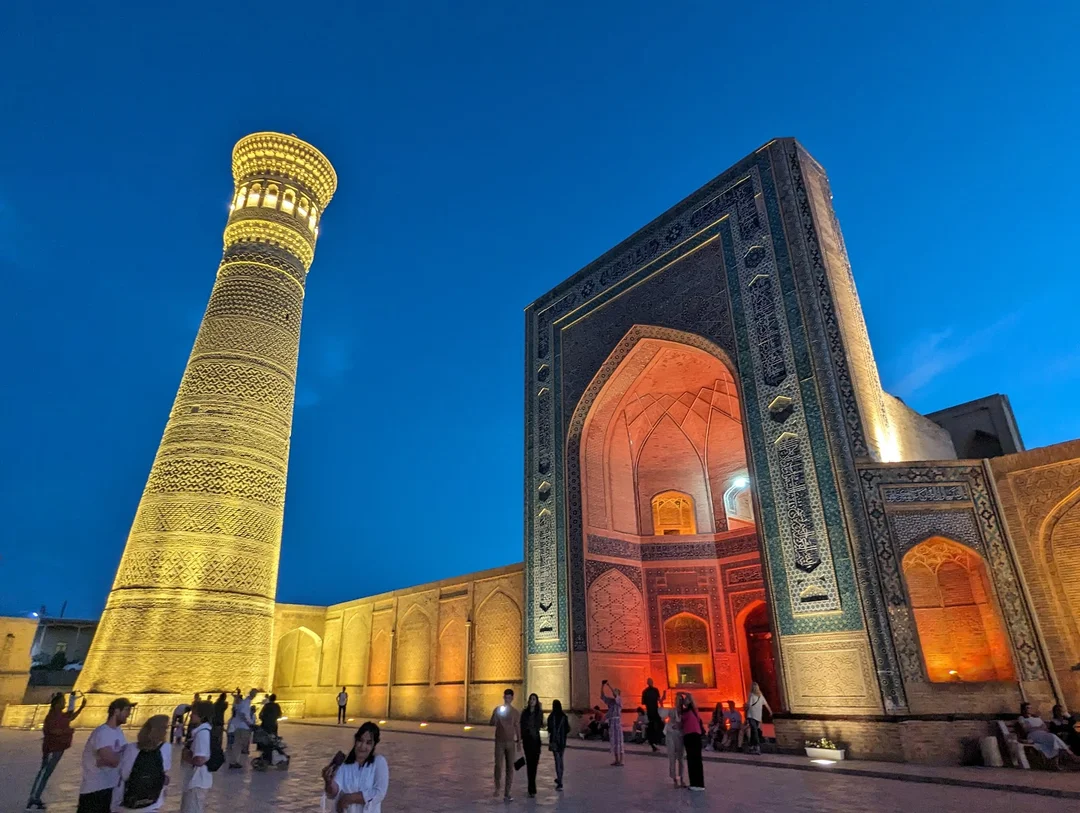
For me, one of the most beautiful spots in Bukhara and the historic heart of the city. It brings together three iconic Silk Road monuments in one place. Tip: if you can, come back here at night too, with the lighting the experience changes completely.
Kalyan Minaret
A 47-metre minaret built in 1127, one of the main symbols of Bukhara. Beyond its religious function, it also served as a landmark for the caravans crossing the Silk Road.
Kalyan Mosque
A mosque that can hold up to 12,000 people, with a large central courtyard surrounded by traditional arcades. I went in and it's worth seeing the courtyard at a relaxed pace; it's one of the most impressive structures in the historic centre.
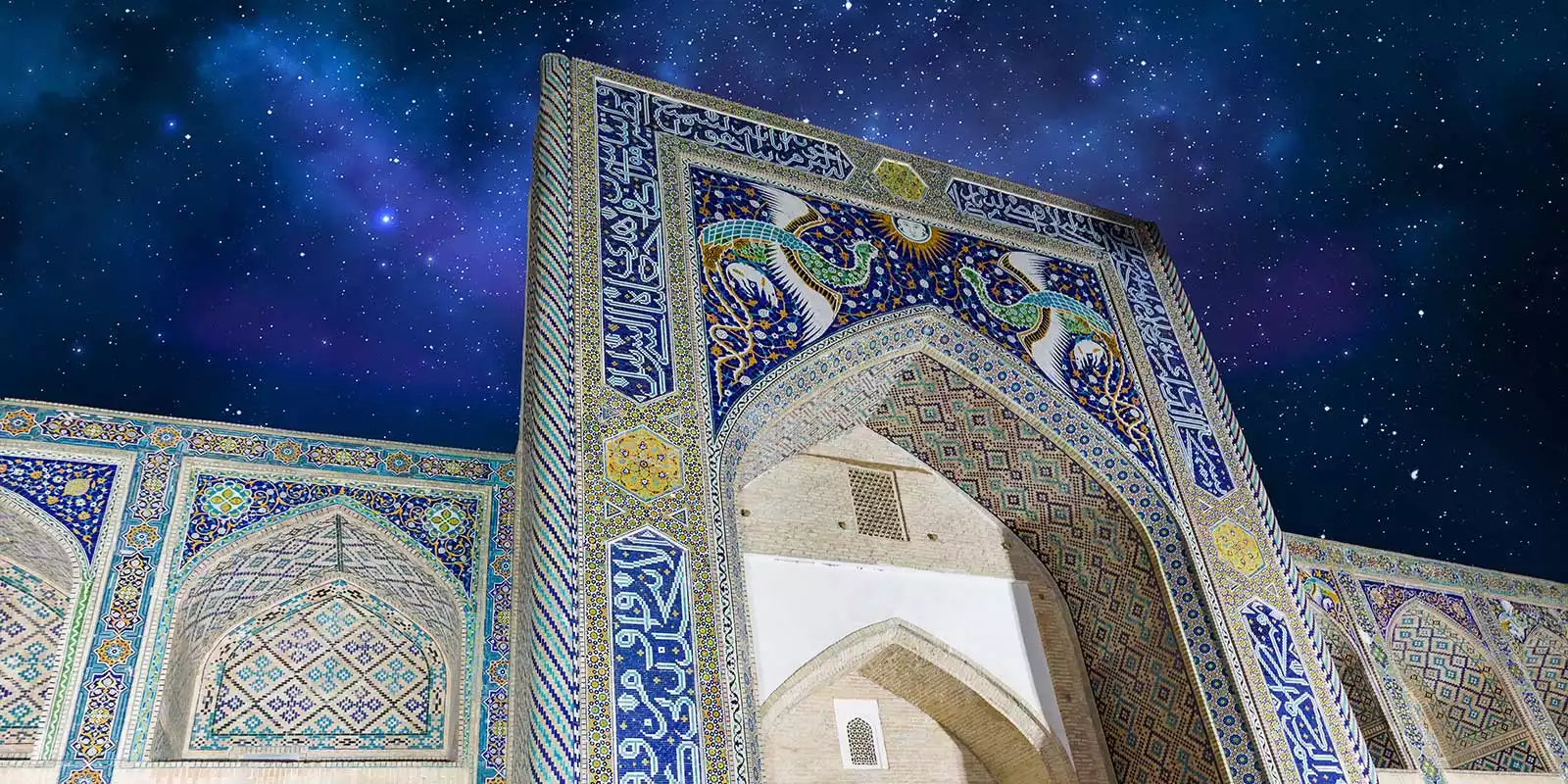
Mir-i-Arab Madrasah
One of the most important madrassas in Central Asia, still active as an Islamic school and one of the best-known spots on any Bukhara route.
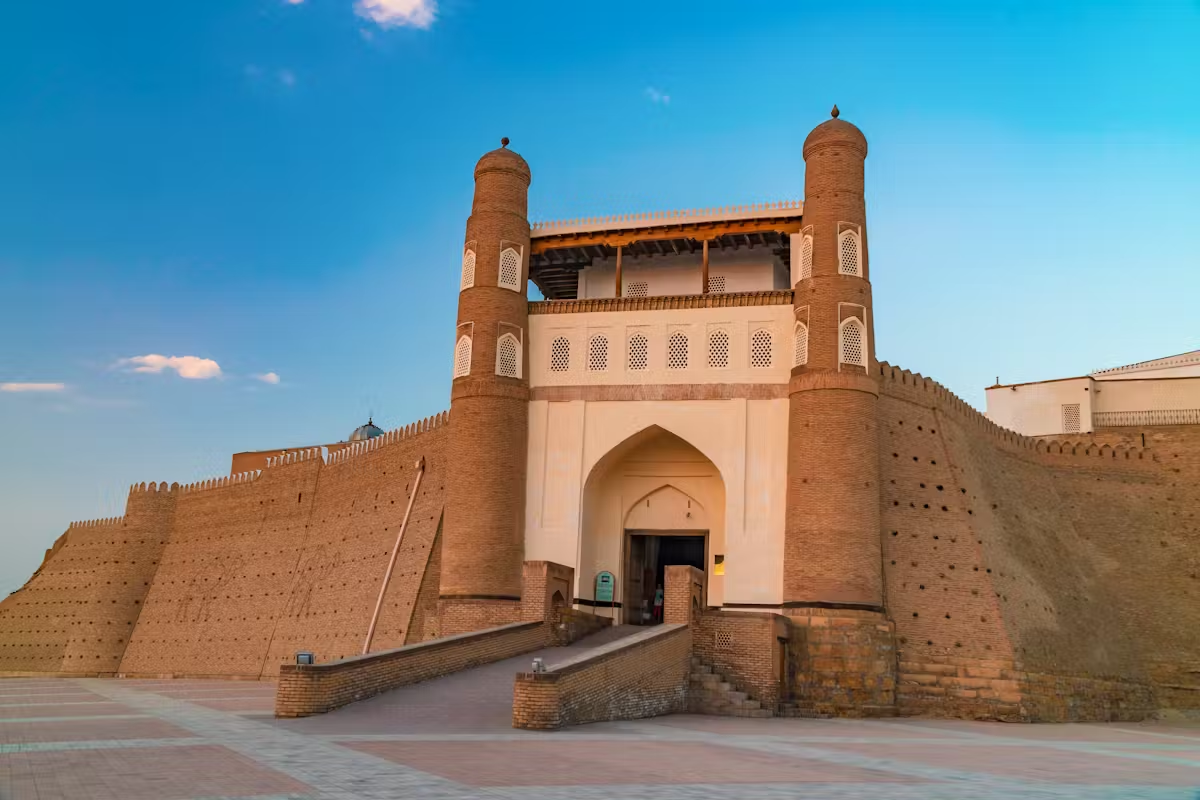
Ark of Bukhara
The ancient fortress of the rulers, huge, with imposing walls and a view over the historic centre. What struck me most was its size seen from outside; inside you can visit courtyards and museums that help you understand the history of Bukhara.
Bolo Haouz Mosque
Known for its carved wooden columns reflected in the water, creating one of the most photogenic scenes in Bukhara. It's right in front of the Ark, so you can combine the two.
Chashma Ayub Mausoleum
A mausoleum linked to a spring considered sacred, associated with a local legend and an important part of any Bukhara route.
Ismail Samani Mausoleum
One of the oldest Islamic monuments in Central Asia, built in the 9th century. Its brick architecture with geometric patterns is considered one of the most important in Uzbekistan.
Afternoon
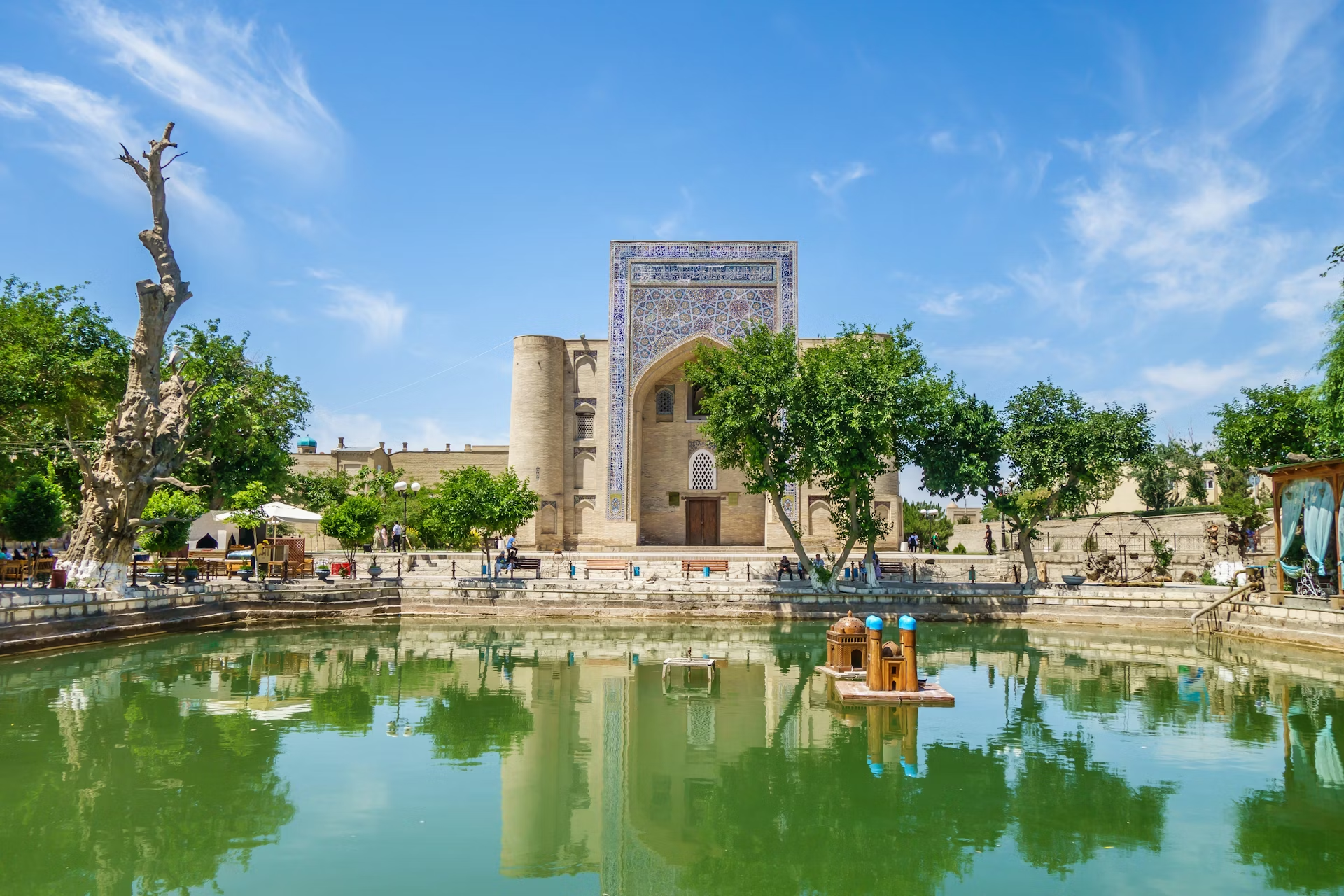
Lyabi-Hauz
My favourite spot in Bukhara. It has a central pool surrounded by trees, cafés and restaurants, and the atmosphere there is great: I enjoyed the buzz, the food and the people. It was here that I felt Bukhara isn't only about monuments, but also about this calm, welcoming atmosphere. Perfect for a break and lunch in the middle of the route. Take the chance to try plov, the traditional dish of Uzbekistan, which I highly recommend.
Nadir Divan-Begi Madrasah
A historic madrassa around the Lyabi-Hauz square, with a decorated facade and great cultural importance in Bukhara.
Hammam Bozori Kord (optional)
Traditional baths from the 16th century still in operation, offering a cultural experience typical of the region.
Trading domes and madrassas (Toki)
Former Silk Road trading areas, where covered markets operated in the historic centre of Bukhara.
Ulugh Beg Madrasah
One of the oldest madrassas in the city, with ornate architecture and geometric tiles typical of the Silk Road.
Abdulaziz Khan Madrasah
Known for its internal decorative details, one of the most elaborate examples of Islamic art in Bukhara.
Magoki-Attori Mosque
One of the oldest mosques in Central Asia, built partly below ground level. It reveals the historical layers of the city.
Chor Minor
A small monument with four blue minarets, one of the most unusual and curious in Bukhara. Unlike any other structure in Uzbekistan.
Late afternoon
Return to the hotel or a break to rest before exploring the city at night.
Night
Poi-Kalyan Complex illuminated
One of the best moments to visit in Bukhara. Since my hotel was a minute away, I came back at night and it was really worth it: the lighting highlights the architecture and creates a unique atmosphere. The illuminated Kalyan Minaret is one of the most impressive scenes of the Silk Road.
Lyabi-Hauz at night
The liveliest area of the city at night, with restaurants, local movement and reflections on the pool. I came back here at night too and it was one of the best possible ways to end the 1-day itinerary in Bukhara.
Practical tips for visiting Bukhara
Bukhara is a compact and very photogenic city in Uzbekistan, with most attractions concentrated in the historic centre. I went in April and got very pleasant weather for walking.
Getting around
- The best way to visit is on foot, the historic centre is compact
- Short distances let you explore at a relaxed pace, without transport
- I arrived from Khiva by train; today there's a high-speed train besides the Soviet night train
Tickets
- Many monuments are free; some charge entry, like the Ark (~60,000 UZS when I went)
- Organise your route to avoid returning to the same spots
- Bring cash for the ones that charge entry
Best time
- April was great: mild weather, ideal for walking all day
- Start early and take breaks throughout the day, especially in summer
- Late afternoon and night are the most pleasant times
Best views
- Poi-Kalyan: the main spot and best lighting at night
- Lyabi-Hauz: my favourite area, the most beautiful and liveliest in the city
- Chor Minor: one of the most unusual scenes in Bukhara