Last updated: June 2026
Tokyo is an enormous, intense city full of contrasts. For first-time visitors to the Japanese capital, the biggest challenge is not a lack of attractions, but organising the neighbourhoods in a way that makes sense. In 3 days, you can see some of the city's most important places, from traditional temples to famous crossings, shopping areas, observation decks and modern districts.
This itinerary was put together to enjoy Tokyo without crossing the city back and forth all the time. The idea is to divide the days by region, starting with the more traditional side in Asakusa, moving on to the modern Tokyo of Shibuya, Harajuku and Shinjuku, and closing with Tsukiji, Ginza and Odaiba.
Rather than simply listing famous sights, this itinerary organises them into a practical order for travellers with limited time, showing which places combine well, what to prioritise and what can remain optional.
How this itinerary was planned
This itinerary was created with practical trip planning in mind. Tokyo is very well connected by subway and train, but the distances between neighbourhoods can wear you out if the day is not well organised.
That is why I would divide Tokyo into 3 blocks. The first day covers Asakusa, Ueno, Akihabara and the Tokyo Skytree, which work best on the east side of the city. The second day covers Shibuya, Harajuku, Meiji Shrine and Shinjuku, a strong sequence to see the modern and busiest Tokyo. The third day combines Tsukiji, Ginza and Odaiba, mixing food, shopping, architecture and bay views.
The biggest mistake in Tokyo is trying to fit very distant neighbourhoods into the same day. Even with excellent transport, the stations are large, some connections take time and the itinerary can become tiring if you do not divide the city by region.
3-day Tokyo itinerary: overview
Itinerary summary
Asakusa, Ueno, Akihabara and Tokyo Skytree
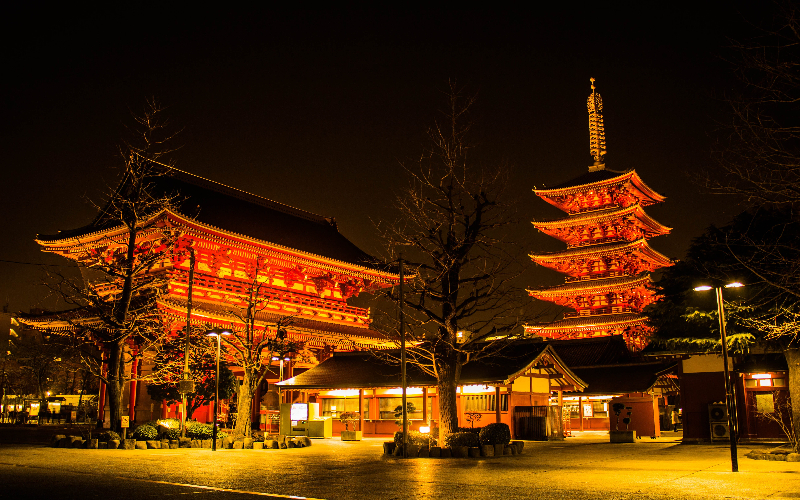
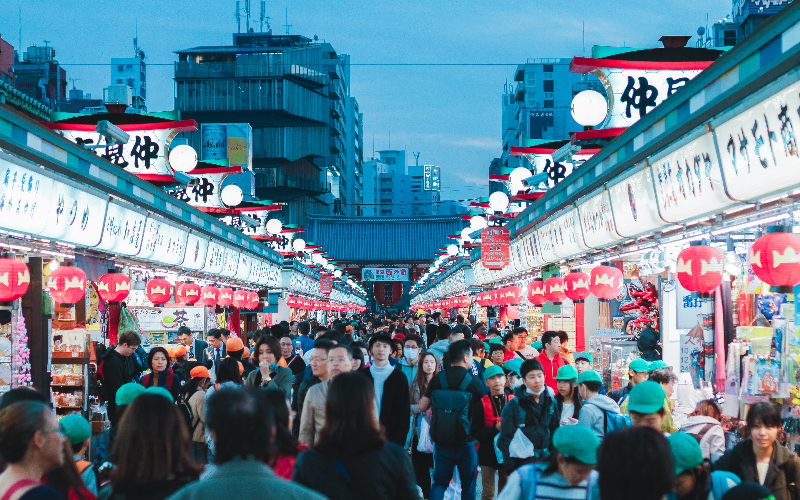
I would begin in Asakusa, one of Tokyo's most traditional districts and an excellent introduction to the city. From there, continue to Ueno, Akihabara and the Tokyo Skytree for a varied route with fewer transfers.
This first day shows a more historic side of the Japanese capital, but it also ends with a modern view of the illuminated city. It is a good way to understand how Tokyo mixes tradition, urban culture and technology within a few hours.
Morning in Asakusa
Asakusa is one of the best neighbourhoods to start a trip through Tokyo. The area preserves a more traditional atmosphere, with busy streets, old shops, typical foods and the famous Senso-ji Temple.
Senso-ji Temple is the oldest and best-known temple in the city. I would place this visit first thing in the morning because the area is much more pleasant before the biggest crowds arrive. The main courtyard receives many visitors throughout the day, so arriving early helps you enjoy the atmosphere better.
Nakamise Street, which leads up to the temple, also deserves time. It is touristy, but it works well for seeing Japanese sweets, souvenirs, small traditional products and shops that are part of the Asakusa experience.
Afternoon in Ueno and Akihabara
After Asakusa, Ueno is a natural continuation of the itinerary. Ueno Park is a more open area, with museums, cultural spaces, a zoo and tree-lined paths. For anyone travelling in spring, the area is also known for its cherry blossoms.
I would visit Ueno around midday, creating a natural break between Asakusa and Akihabara. After a morning of temples and traditional streets, the park provides a quieter pause before the busier afternoon.
In the afternoon, Akihabara completely changes the mood of the itinerary. The neighbourhood is known for electronics, anime, manga, games, specialist shops and themed cafés. Even for those who do not follow geek culture, it is an interesting area because it shows a very specific side of Tokyo.
Evening at the Tokyo Skytree
To close the day, the Tokyo Skytree is a good option. The observation deck offers a panoramic view of the city and works especially well at night, when Tokyo is lit up.
I would leave the Skytree for the end of the day because it pairs better with the night view and is easier to fit in after Asakusa, Ueno and Akihabara. If your budget is tight, it can be optional, but for a first trip it is a memorable experience.
What to prioritise on this day
If you have little time, I would prioritise Senso-ji, Nakamise Street, Akihabara and the Tokyo Skytree. Ueno can be done more quickly or left as optional, depending on the pace of the trip.
What to avoid on this day
Avoid adding Shibuya, Harajuku or Shinjuku to this same day. They are important neighbourhoods, but they belong to a different geographic logic. Mixing everything can make the itinerary tiring with unnecessary transfers.
Shibuya, Harajuku, Meiji Shrine and Shinjuku
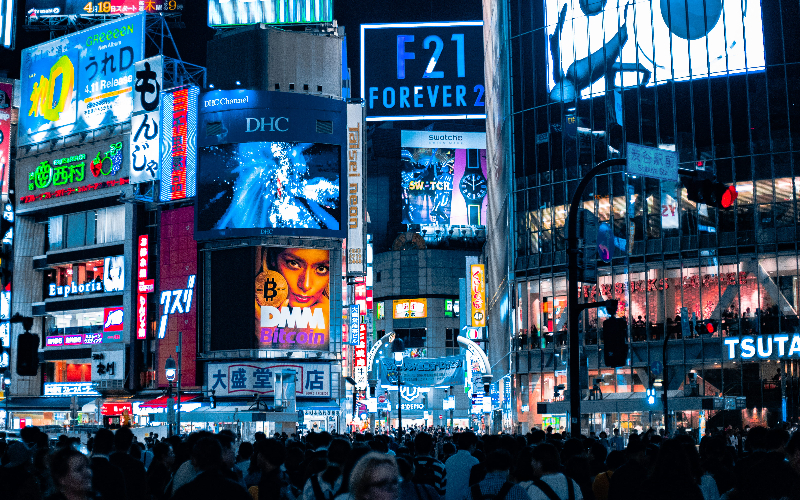
The second day is dedicated to Tokyo's more modern, young and fast-paced side. I would organise this day by starting in Shibuya, continuing to Harajuku and Meiji Shrine, and finishing in Shinjuku at night.
This order works well because the neighbourhoods connect better with each other and create a natural progression. You start at one of the most famous crossings in the world, pass through a young and creative area, step into a peaceful shrine in the middle of the city and finish in one of Tokyo's most illuminated and vibrant districts.
Morning in Shibuya
Shibuya is one of the symbols of modern Tokyo. Shibuya Crossing is known for the intense flow of pedestrians crossing at the same time and is often one of the first images people associate with the city.
I would begin the day in Shibuya because the station has excellent connections and makes the rest of the route easier. The Hachiko Statue is close to the exit and takes only a few minutes to visit before you explore the area.
If you want to make the most of Shibuya, it is worth walking unhurriedly through the streets around the station. The area has shops, cafés, shopping centres and good spots to watch the movement of the city.
Afternoon in Harajuku and Meiji Shrine
After Shibuya, Harajuku fits well into the itinerary because it follows the same transfer logic. Takeshita Street is the best-known street in the area, with youth fashion shops, sweets, cafés and creative products.
Harajuku can be more interesting for those who enjoy pop culture, fashion and quirky shops. If that is not really your style, you can do the area more quickly and dedicate more time to Meiji Shrine.
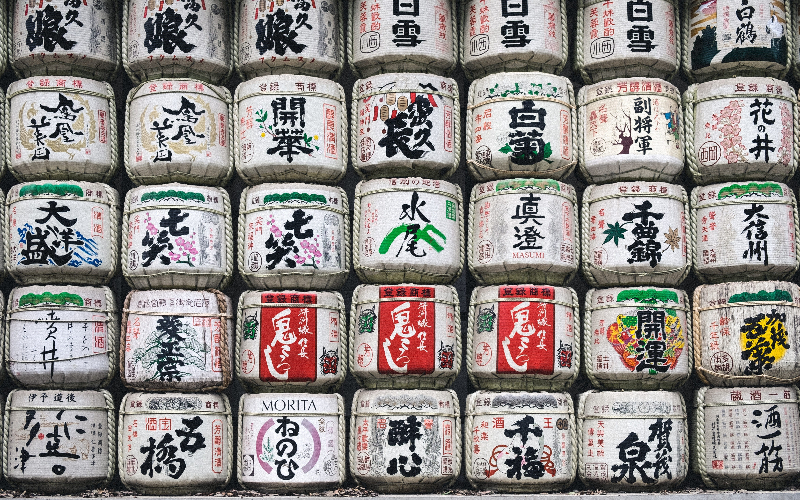
Meiji Shrine is one of the best contrasts of the day. The shrine sits inside a large wooded area and creates a peaceful pause in the middle of the city. I would keep this visit because it shows another side of Tokyo, quieter and connected to Shinto tradition.
Evening in Shinjuku
Shinjuku should be left for the end of the day. The area is full of skyscrapers, restaurants, bars, shops, neon signs and entertainment zones. At night, the district gains much more visual impact.
Kabukicho is one of the best-known areas of Shinjuku, famous for its neon lights and nightlife. Golden Gai is also famous for its tiny bars and narrow streets. Even for those who just want to walk and soak up the urban atmosphere, Shinjuku is well worth it.
I would leave Shinjuku for the evening because that is when the neighbourhood best shows its energy. During the day it is busy, but at night it becomes far more striking.
What to prioritise on this day
For a first trip, I would prioritise Shibuya Crossing, Meiji Shrine and Shinjuku at night. Harajuku can be quicker if you are not that interested in youth fashion or quirky shops.
What to avoid on this day
Avoid squeezing Asakusa or Odaiba into this same day. They are interesting areas, but they are in other parts of the city. The ideal is to keep this day focused on the Shibuya, Harajuku and Shinjuku axis.
Tsukiji, Ginza and Odaiba
The third day can be more varied and a little lighter. I would start at the outer area of the Tsukiji Market, continue to Ginza and finish in Odaiba, on Tokyo Bay.
This plan works well because it starts with food, passes through a sophisticated area and ends in a more open district with views of the city. It is a good way to close the trip for anyone who wants to see yet another side of Tokyo without repeating the style of the first two days.
Morning at the Tsukiji Market
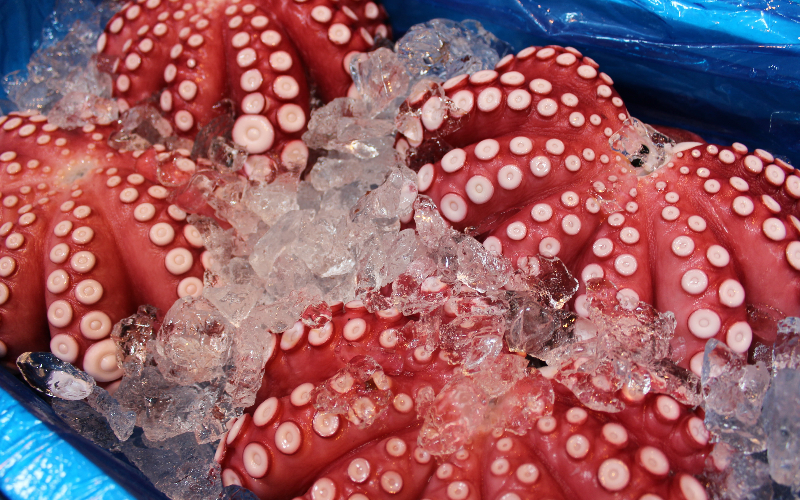
The outer area of the old Tsukiji Market is still an interesting stop for anyone who wants to try typical foods, seafood, small snacks and local products. Even after the main wholesale market moved, the area still keeps a lively food scene.
Visit Tsukiji in the morning, when the market is at its most active. It is a good place to try something different and begin the day with an introduction to Japanese food culture.
For those who do not eat fish or seafood, it is still worth walking around the area, but the visit may be quicker. In that case, you can move on to Ginza earlier.
Midday in Ginza
Ginza fits in well after Tsukiji. The area is known for luxury shops, cafés, elegant avenues, modern architecture and big brands. Even if you do not want to shop, it is worth walking around to see the contrast with the more traditional neighbourhoods.
I would treat Ginza as a midday stop. It does not need to take many hours, unless you want to shop or visit specific stores. For a 3-day itinerary, it works best as a transition between Tsukiji and Odaiba.
Afternoon and evening in Odaiba
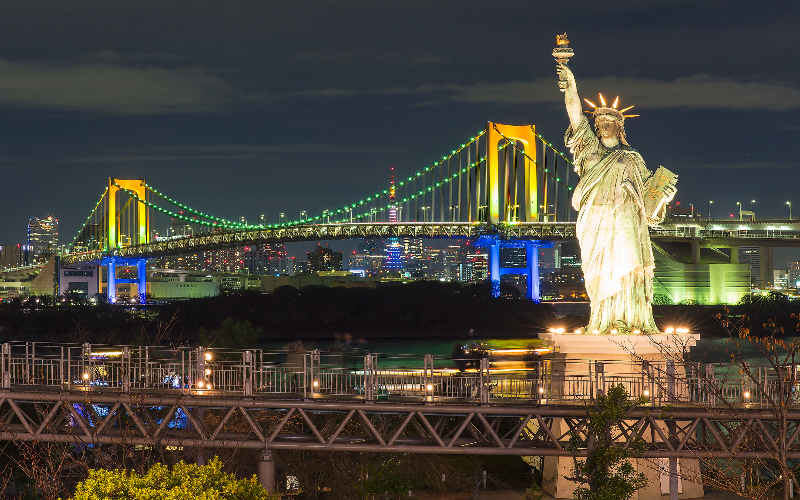
Odaiba is an artificial island in Tokyo Bay, with shopping centres, modern attractions, open areas and views of the city skyline. It is a very different area from Asakusa, Shibuya and Shinjuku.
Leave Odaiba for the end of the itinerary for a more relaxed finish. After two busy days, its open spaces, bay views and waterfront walks suit a slower late afternoon.
The famous life-size Gundam robot is one of the area's best-known attractions. The island also has shopping malls, interactive museums and good photo spots.
What can be optional on this day
Odaiba can be dropped if you prefer to spend more time in central neighbourhoods or want to shop at a slower pace in Ginza, Shibuya or Shinjuku. For anyone who enjoys technology, modern architecture and urban views, it is worth keeping.
What I would prioritise in Tokyo in 3 days
If I had to choose the most important spots for a first trip, I would keep Asakusa, Senso-ji, Shibuya Crossing, Meiji Shrine, Shinjuku at night, Akihabara and at least one observation deck.
These places showcase Tokyo's contrasts well. Asakusa brings the traditional side, Shibuya and Shinjuku show the modern energy, Meiji Shrine creates a quieter pause, Akihabara reveals a very distinctive side of Japanese urban culture, and an observation deck helps you understand the scale of the city.
If the itinerary is tight, I would leave Ueno, Ginza and Odaiba as the more flexible parts. They are interesting, but they can be adjusted according to your pace, budget and personal interest.
What can be optional in this itinerary
- Ueno can be optional if you do not plan to visit museums, the zoo or walk through the park.
- Ginza can be done quickly if shopping and luxury stores are not a priority.
- Odaiba can be dropped if you want more time in central neighbourhoods.
- The Tokyo Skytree can be replaced by another observation deck, especially if your budget is tight.
- Harajuku can be quicker if you are not interested in youth fashion or pop culture.
Mistakes to avoid in Tokyo
The most common mistake in Tokyo is trying to see everything in a short time. The city is enormous and every neighbourhood could fill many hours. In 3 days, the best approach is to accept that you will see the main spots, but not everything.
Another mistake is mixing very distant neighbourhoods into the same day. Even with an efficient subway, you lose time on connections, walks inside the stations and transfers between platforms.
It is also worth avoiding relying only on taxis. Tokyo has excellent public transport, and the subway is usually the best way to get around the city.
In neighbourhoods like Shibuya, Shinjuku and Asakusa, avoid arriving with no idea of what you want to see. They are large, busy areas. Having a simple order helps a lot.
Practical tips for visiting Tokyo
Tokyo is one of the most organised cities in the world, but it requires planning. The subway and urban trains cover practically all the main areas, but some stations are large and can be confusing at first.
Getting around
- The subway and trains are the best ways to get around, fast, frequent and well connected
- Use an IC card like Suica or Pasmo to avoid buying a ticket for every trip
- Within each neighbourhood, walking is part of the experience
- The IC card also works at convenience stores and vending machines
Tickets and attractions
- Senso-ji Temple: free access to the main courtyard
- Tokyo Skytree: paid ticket, buying online can help skip the queue
- Shinjuku Gyoen: highly recommended for a green break in the city
Best times to visit
- Senso-ji: early in the morning, before the area gets too crowded
- Shibuya Crossing: most impressive in the late afternoon and at night
- Shinjuku: best at night, for the neon signs and illuminated streets
- Tsukiji: in the morning, when the food scene is at its liveliest
- Odaiba: late afternoon, to see the bay before dark
Best views
- Tokyo Skytree: one of the most impressive views, especially on clear days
- Metropolitan Government Building Observatory in Shinjuku: free with a good view of the city
- Shibuya Sky: popular for seeing Tokyo's most famous crossing from above