Last updated: August 2026
Dilijan is one of the best bases for getting to know the greener and more tranquil side of Armenia. The city is in a region of forests, mountains, lakes, monasteries and fresher landscapes, quite different from the dry, dramatic look of other parts of the country.
After the days in Yerevan and southern Armenia, Dilijan completely changes the pace of the trip. The city has a calmer atmosphere and combines very well with Lake Sevan, Sevanavank, Haghartsin, Goshavank, Parz Lake and Old Dilijan.
This 2-day Dilijan itinerary is ideal for those doing a complete Armenia trip who want to see the green side of the country without turning everything into a quick stop.
The route combines the journey from Goris to Dilijan via Lake Sevan, plus a full day to explore the forest monasteries, the historic centre, Parz Lake and the landscapes of Dilijan National Park.
I would not treat Dilijan as just a stop along the way. The city works best when you sleep at least 2 nights, because that gives you time to feel the region's calmer atmosphere and visit the main points without rushing.
How this Dilijan itinerary was planned
This itinerary was designed to fit Dilijan within a larger Armenia trip, usually after Yerevan, Goris and Tatev.
The logic is to use the first day as the transfer between southern Armenia and the northern region, making use of the way to see Lake Sevan and Sevanavank. This way, the journey stops being just a long car ride and becomes part of the itinerary.
The second day is dedicated to the Dilijan area, with Old Dilijan, Haghartsin Monastery, Goshavank Monastery, Parz Lake, Dilijan National Park and cafés in the city.
This split works well because it avoids returning to Yerevan in the middle of the itinerary and keeps the trip more linear. Instead of going back and forth to the capital several times, you continue from south to north in a more logical way.
2-day Dilijan itinerary: what to do day by day
Day by day itinerary
Is it worth sleeping in Dilijan?
Yes, it is very much worth sleeping in Dilijan, especially in a complete Armenia itinerary.
The city shows a greener, cooler and calmer side of the country. After Yerevan, the monasteries near the capital, Goris, Tatev and Khndzoresk, Dilijan helps balance the trip with forests, lakes, monasteries surrounded by nature and a less intense pace.
Doing Dilijan only as a day trip from Yerevan is possible, but it makes the itinerary more rushed. Sleeping in the city allows you to make better use of Haghartsin, Goshavank, Parz Lake and the historic centre without depending on a long day on the road.
For those continuing afterward to Haghpat, Sanahin, Akhtala or returning to Yerevan, Dilijan also works very well as a strategic base.
Goris to Dilijan via Lake Sevan and Sevanavank
The first day in Dilijan begins with the departure from Goris heading towards northern Armenia. This is one of the longest transfers in the itinerary, but it makes sense within a complete trip through the country.
Instead of going back to Yerevan, the idea is to connect southern Armenia to the northern region, passing by Lake Sevan and arriving in Dilijan at the end of the day.
This route shows well how Armenia's landscape changes throughout the trip. After the canyons, mountains and ancient villages of the south, the itinerary continues to a more open region, with Lake Sevan as the great natural stop before arriving in Dilijan.
Morning
Road from Goris to Lake Sevan
The road from Goris to Lake Sevan is long, but interesting. It connects two very different regions of Armenia and prevents the itinerary from becoming dependent on constant returns to Yerevan.
This day works best with a rental car or private driver. By public transport, the journey between Goris and Dilijan may require connections and become more complicated.
For those who want comfort and flexibility, it is worth planning this part of the itinerary carefully. With a car or driver, you can stop at Lake Sevan, adjust the time at each place and arrive in Dilijan without depending on tight schedules.
I would leave Goris early on this day. As the transfer is long, leaving in the morning helps you enjoy Lake Sevan calmly and still arrive in Dilijan at a good time.
Lake Sevan
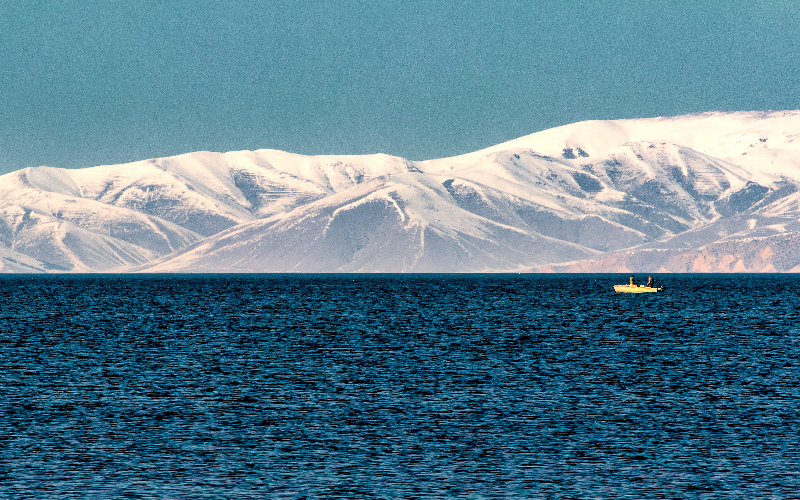
Lake Sevan is Armenia's largest lake and one of the country's main natural landscapes. Its blue waters, cooler climate and surrounding mountains make it an essential stop in any Armenia itinerary.
The lake pairs very well with the road between Goris and Dilijan. Instead of visiting Lake Sevan as a separate day trip from Yerevan, it naturally fits into the journey north.
The visit can be quick or longer, depending on the pace of the day. Even a short stop is already worthwhile for the view, the photos and the change of scenery compared to southern Armenia.
I would place Lake Sevan as one of the main stops of this transfer. It helps break up the journey and still adds a different landscape to the itinerary.
Afternoon
Sevanavank Monastery
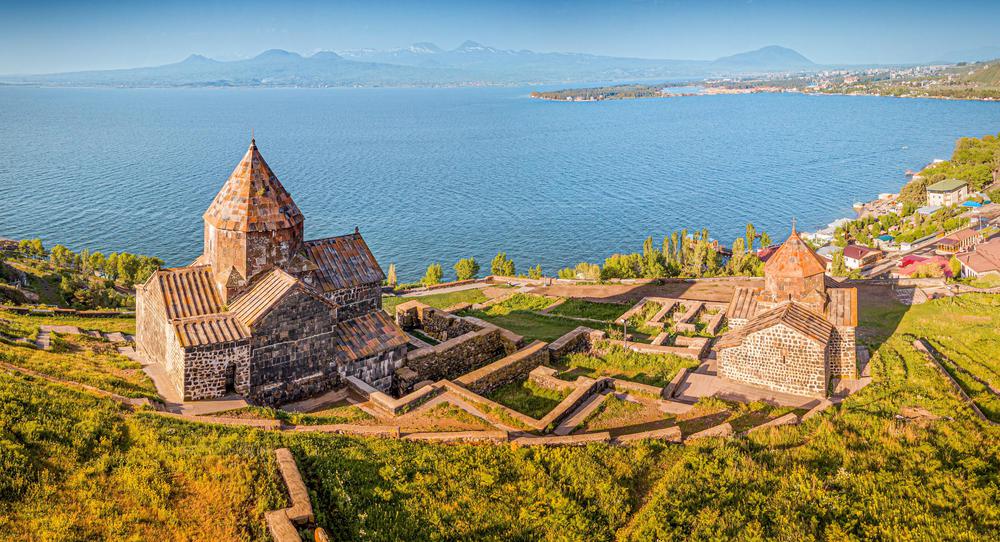
Sevanavank Monastery is one of Armenia's most well-known monasteries and sits on a peninsula on the shores of Lake Sevan. The location is the main highlight of the visit, with views over the lake, the mountains and the open landscape around it.
The climb to the monastery may require some effort, but the view makes up for it. The combination of the dark stone monastery with the blue waters of Lake Sevan forms one of Armenia's most classic images.
Sevanavank is an ideal stop for those who want to combine history, religious architecture and natural landscape in the same excursion. That is why it works very well on the road to Dilijan.
I would not leave Sevanavank out if you are passing by Lake Sevan. The visit does not need to take many hours, but it delivers one of the most beautiful views in this part of the country.
Noratus Cemetery
Noratus Cemetery can be included as an optional stop if you leave Goris early and have enough time.
The cemetery is known for its khachkars, the traditional Armenian stone crosses, very important in the country's culture and religious art.
The visit is interesting for those who enjoy history, religious symbols and less common places. As the day is already long, Noratus should remain optional.
If the journey is running late or you prefer to arrive in Dilijan more calmly, it is better to leave this stop out.
I would only include Noratus if the itinerary is flowing well. The most important thing on this day is enjoying Lake Sevan, visiting Sevanavank and arriving in Dilijan without ending the day exhausted.
Evening
Arrival in Dilijan
Arriving in Dilijan marks entry into one of Armenia's greenest and most tranquil regions. The city is known for its forests, mountains, fresh air and relaxed atmosphere.
After a long day on the road, the ideal is to check in, walk around the city a little if there is still energy and have dinner without rushing.
Dilijan does not need to be fully explored on the first day, because the following day will be dedicated to the region.
Sleeping in Dilijan lets you get to know the green north of Armenia better without turning everything into a rushed day trip. The city works very well as a base for Haghartsin, Goshavank, Parz Lake and Old Dilijan.
What I would prioritise on day 1
I would prioritise leaving Goris early, making a good stop at Lake Sevan, visiting Sevanavank and arriving in Dilijan without rushing.
This is a transfer day, so the trick is not to overdo the stops. The itinerary works better when you enjoy the road but still arrive in Dilijan with time to rest.
What can be optional on day 1
Noratus Cemetery can be optional if there is time.
Extra stops along the way should also be flexible. As the journey is long, I would not pack in too many attractions on this day.
If the weather is bad or the transfer is running slower, keep only Lake Sevan and Sevanavank before continuing to Dilijan.
Dilijan, Haghartsin, Goshavank and Parz Lake
The second day is dedicated to the best of the Dilijan region. Here the itinerary becomes lighter, greener and calmer, with monasteries surrounded by nature, a historic centre, a lake and landscapes from Dilijan National Park.
After several days on the road, monasteries in dry regions, canyons and dramatic mountains, Dilijan brings a different kind of pause to the trip.
I would use this day without rushing, prioritising Haghartsin, Goshavank, Old Dilijan and Parz Lake. If the weather is good, this can be one of the most pleasant days of the Armenia itinerary.
Morning
Old Dilijan
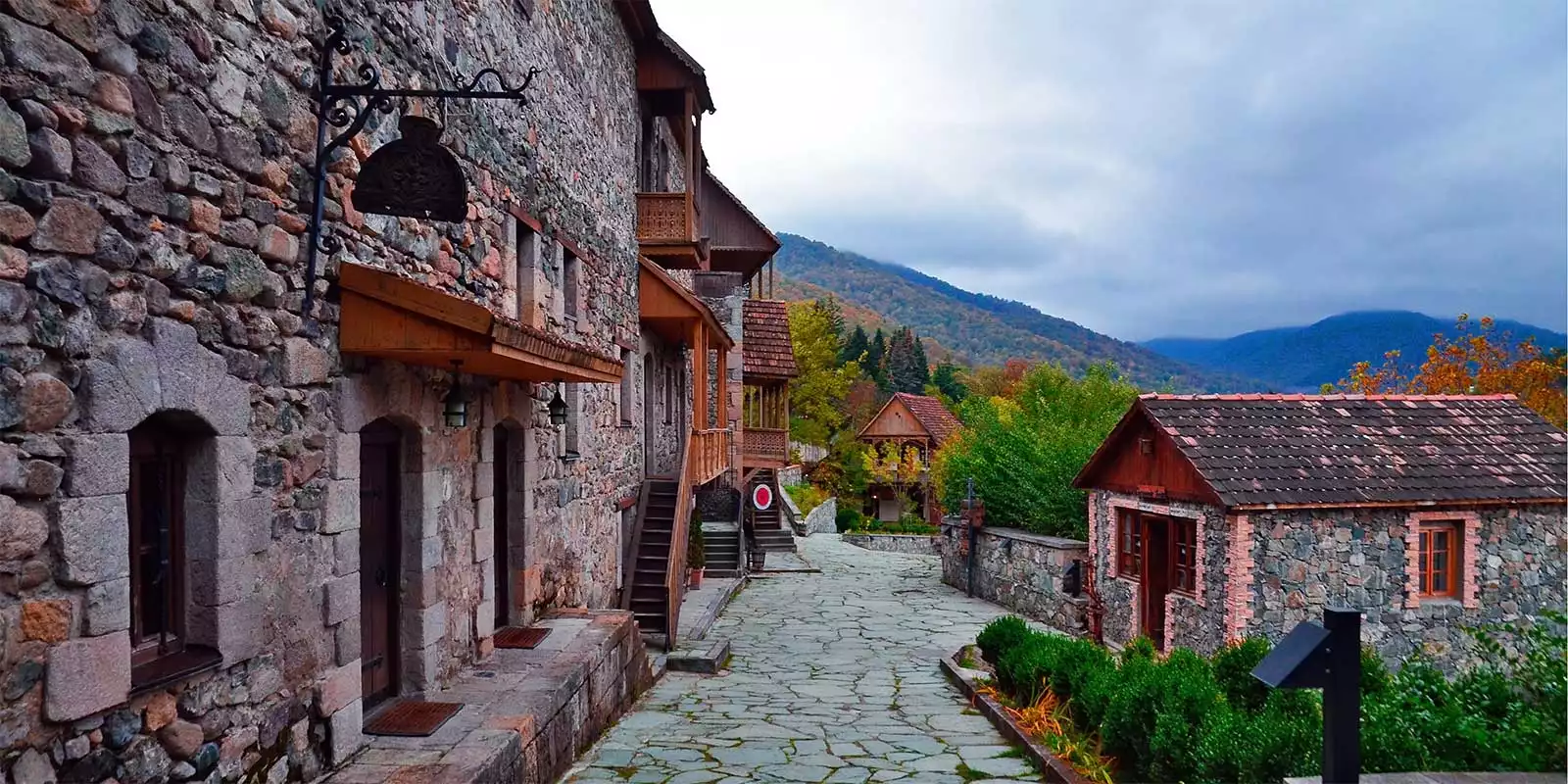
Old Dilijan is a small area with traditional-style buildings, cobbled streets, cafés, craft shops and a pleasant atmosphere.
It is a good area to start the day walking without rushing. The historic area shows a more charming side of the city and helps you understand why Dilijan is seen as one of the most pleasant bases in northern Armenia.
It is not a long visit, but it works well as an introduction to the region's slower pace.
For those who enjoy photography, cafés and traditional architecture, Old Dilijan is a simple, beautiful stop. It is worth walking, observing the details of the houses and enjoying the atmosphere before heading to the monasteries.
I would place Old Dilijan at the start or the end of the day. In the morning, it works as a light opening to the itinerary. In the late afternoon, it pairs well with coffee and dinner.
Haghartsin Monastery
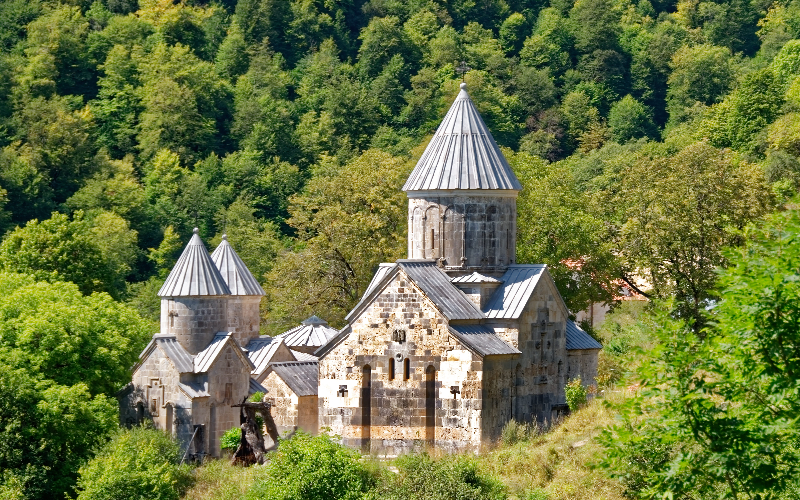
Haghartsin Monastery is one of the most beautiful monasteries near Dilijan. It is surrounded by mountains and forests, creating a very different atmosphere from monasteries in drier regions of Armenia.
The location is one of the most special parts of the visit. The road to the monastery already shows the green side of the region, with trees, mountains and a more peaceful feel.
Haghartsin combines medieval architecture with nature. The visit is ideal for those who want to see an Armenian monastery in a forest setting, without the arid landscape of other parts of the country.
I would place Haghartsin as the priority of the day. It represents very well what makes Dilijan worthwhile: monastery, forest, mountain and calm all in the same place.
Afternoon
Goshavank Monastery
Goshavank Monastery is another important monastery in the Dilijan region, linked to the religious and educational history of medieval Armenia.
The complex has stone buildings, courtyards, architectural details and a peaceful atmosphere.
The visit pairs well with Haghartsin because the two monasteries are in the same region and show the historical importance of northern Armenia.
While Haghartsin stands out mainly for its forest setting, Goshavank reinforces the cultural and religious side of the area.
For those doing a complete country itinerary, Goshavank helps show that Armenian monasteries are very different from each other, both in style and in the surrounding landscape.
I would try to include both monasteries on the same day, but without rushing. The idea is not just to tick points off the itinerary, but to enjoy the contrast between medieval architecture and nature.
Parz Lake
Parz Lake is a small lake surrounded by forest, ideal for a pause in nature. The place is good for walking, taking photos, resting a little and enjoying the quieter side of Dilijan.
After visiting monasteries, Parz Lake works as a lighter, more natural stop. It does not need to take up many hours of the day, but it helps keep the itinerary more balanced.
The area around the lake is pleasant, especially on good weather days. For those who enjoy green landscapes and quieter moments, it is one of the most enjoyable stops near Dilijan.
I would place Parz Lake in the afternoon, as a pause after the monasteries. If the weather is poor, it can lose some of its charm, so it is worth treating it as a flexible stop.
Dilijan National Park
The area around the city is part of Dilijan National Park, a natural area with forests, trails, mountains and green landscapes.
Even without doing a long hike, the park comes through in the general atmosphere of the trip. The roads, the paths to the monasteries, the Parz Lake area and the surrounding forests already help you feel Dilijan's natural setting.
In a 2-day itinerary, the park features more as the context of the landscape, especially on the roads to Haghartsin, Goshavank and Parz Lake.
For those with more time, it is worth researching short trails or nature walks in the area. But on a first trip through Armenia, I would treat the park lightly, without turning the day into a heavy hike.
Evening
Cafés in Dilijan
Dilijan has a slower pace than Yerevan and is good for enjoying a relaxed afternoon or evening. After the excursions in the region, it is worth ending the day in a café, restaurant or cosy accommodation.
The city pairs well with an unhurried late afternoon. After many transfers in the Armenia itinerary, Dilijan works as a green pause before heading to the northern monasteries or returning to Yerevan.
I would use the evening to rest, eat well and enjoy the city's calmer atmosphere. Dilijan does not call for a heavy nightlife itinerary.
Second night in Dilijan
Sleeping one more night in Dilijan makes the northern part of the itinerary less rushed and avoids the city being just a quick stop on the way.
The second night lets you make the most of the region and rest before the next transfer.
For those continuing the complete Armenia itinerary, the next step may be visiting Haghpat, Sanahin and Akhtala before returning to Yerevan.
That is why sleeping in Dilijan helps organise the northern part of the trip better.
What I would prioritise on day 2
I would prioritise Haghartsin Monastery, Goshavank Monastery, Old Dilijan and Parz Lake.
These places show the best of the region: monasteries in the forest, a historic centre, nature, a lake and a calmer pace.
What can be optional on day 2
Parz Lake can be optional if the weather is poor or if you prefer to spend more time at the monasteries.
Dilijan National Park can be explored in more depth on a longer trip. In 2 days, it features more as scenery and natural context.
Old Dilijan can be a quick visit, especially if the main goal is seeing the monasteries and the lake.
Frequently asked questions about Dilijan and northern Armenia
Is Dilijan worth visiting?
Yes, Dilijan is very much worth visiting for those who want to see the greener and more tranquil side of Armenia.
The city offers forests, monasteries, lakes, mountains, cafés and an atmosphere very different from the capital Yerevan and the south of the country.
Dilijan is not a city of large urban monuments, but it works very well as a base for exploring the nature and monasteries of the region.
For those who enjoy green landscapes and quieter places, it is one of the best stops on the itinerary.
Dilijan also combines very well with Lake Sevan, Sevanavank, Haghartsin, Goshavank and Parz Lake, forming a lighter and more balanced part of the Armenia trip.
How many days to stay in Dilijan?
The ideal is to stay 2 days in Dilijan, with 2 nights in the city.
With this time, you can arrive via Lake Sevan, visit Sevanavank, sleep in Dilijan and dedicate the following day to the monasteries, Parz Lake and the historic centre.
With only 1 day, the visit is rushed and Dilijan becomes just a quick stop.
With 2 days, the city works better as a base and the itinerary is more comfortable.
For those who enjoy trails, nature and a slower pace, 3 days in Dilijan can be a good idea.
Are 2 days in Dilijan enough?
Yes, 2 days in Dilijan are enough to see the main points of the region.
The first day can be used to arrive via Lake Sevan and Sevanavank, while the second is dedicated to Haghartsin, Goshavank, Parz Lake and Old Dilijan.
This amount of time works very well within a 10-day Armenia itinerary. It allows you to see the green side of the country without making the trip too rushed.
If the idea is to do longer trails or explore Dilijan National Park more deeply, it is worth considering an extra night.
Can you visit Dilijan as a day trip from Yerevan?
You can, but it is not ideal for a complete itinerary.
Dilijan can be visited as a day trip from Yerevan, often combined with Lake Sevan, Sevanavank, Haghartsin or Goshavank.
However, doing everything in a single day makes the itinerary more rushed. Sleeping in Dilijan allows you to enjoy the city better, visit the monasteries at a more relaxed pace and feel the region's slower rhythm.
For those with little time, the day trip works. For those doing a 10-day trip through Armenia, sleeping in Dilijan is a much better option.
What is the best base for visiting Lake Sevan and Dilijan?
The best base depends on the itinerary.
If the trip is short and based only in Yerevan, it is possible to do Lake Sevan and Dilijan as a day trip from the capital.
But in a more complete itinerary, Dilijan works better as a base for exploring the green north of Armenia.
Dilijan is ideal for visiting Haghartsin, Goshavank, Parz Lake, Old Dilijan and then continuing to Haghpat and Sanahin.
Lake Sevan can fit into the road between Goris and Dilijan or as a stop coming from Yerevan.
Do you need to rent a car to visit Dilijan?
It is not mandatory, but a rental car or private driver helps a lot.
The attractions around Dilijan are spread out, and depending only on public transport can make the itinerary more difficult.
With a car or driver, it is easier to visit Haghartsin, Goshavank, Parz Lake and make stops at Lake Sevan along the way.
Those who don't want to drive can book tours or private transfers.
For a complete Armenia itinerary, I would consider a car or driver especially for the transfers between Goris, Lake Sevan, Dilijan and the northern monasteries.
Where to stay in Dilijan?
The ideal is to stay in accommodation close to central Dilijan or in a guesthouse with easy access to the road to the monasteries and Parz Lake.
The city has guesthouses, boutique hotels, family-run accommodation and quieter options amid nature.
For those who want practicality, staying near Old Dilijan makes walking, cafés and restaurants easier.
For those who want rest, accommodation further out can offer a calmer experience surrounded by greenery.
I would choose accommodation based on the style of the trip: close to the centre for practicality, or a bit further out for a more natural atmosphere.
What destinations does Dilijan combine well with?
Dilijan combines very well with Lake Sevan, Sevanavank, Haghartsin, Goshavank, Parz Lake, Haghpat, Sanahin and Akhtala.
In a complete Armenia itinerary, the city usually appears after Goris and before returning to Yerevan.
This order makes sense because it connects the south to the north and avoids returning to the capital several times.
Dilijan also combines with Georgia in longer Caucasus itineraries, depending on the chosen route and the time available.
What to do in Dilijan besides the monasteries?
Besides the monasteries, it is worth exploring Old Dilijan, Parz Lake, local cafés, green areas and the landscapes of Dilijan National Park.
The city is not a destination of major urban attractions. The charm lies in the calm atmosphere, the forests, the mountains, the lakes and the sense of a pause within the itinerary.
If there is extra time, it is worth looking for short trails or nature walks in the area.
Final summary of the 2-day Dilijan itinerary
Dilijan is the best base for getting to know Armenia's green side.
In 2 days, the itinerary is balanced. The first day connects Goris to Dilijan via Lake Sevan and Sevanavank. The second day is dedicated to Old Dilijan, Haghartsin, Goshavank, Parz Lake and the landscapes of Dilijan National Park.
This region shows a calmer, fresher and more mountainous Armenia, with forests, lakes, monasteries surrounded by nature and a different pace from the south of the country.
Sleeping in Dilijan makes the itinerary more comfortable and avoids the city being just a quick stop.
For those doing a complete Armenia trip, Dilijan is an essential base between Lake Sevan, the northern monasteries and the return to Yerevan.
Practical tips for visiting Dilijan
Dilijan is a peaceful city, but the attractions in the region are spread out. It is therefore worth organising transport in advance and separating the excursions well to avoid unnecessary transfers.
How to get around
- Goris to Dilijan: best with rental car or private driver
- Lake Sevan and Sevanavank: easy to include on the road to Dilijan
- Old Dilijan: can be visited on foot
- Haghartsin and Goshavank: best with car, taxi or driver
- Parz Lake: best with car, taxi or driver
- Public transport: possible between cities, but limited for attractions outside the centre
Entry fees
- Lake Sevan: free access
- Sevanavank Monastery: generally free access
- Noratus Cemetery: generally free access
- Old Dilijan: free access
- Haghartsin Monastery: generally free access
- Goshavank Monastery: generally free access
- Parz Lake: local fee for parking or activities may apply
- Confirm prices and times before your visit, especially in high season
Best time
- Goris to Dilijan: leave early to enjoy Lake Sevan on the way
- Lake Sevan and Sevanavank: morning or early afternoon
- Old Dilijan: morning or late afternoon
- Haghartsin Monastery: morning for a more relaxed visit
- Goshavank Monastery: morning or early afternoon
- Parz Lake: afternoon for a lighter pause
- Dilijan cafés: late afternoon and evening
How to pay
- Currency: Armenian dram
- Cards: accepted in some Dilijan accommodation and restaurants
- Cash: important for taxis, small cafés, markets and local attractions
- ATMs: available in Dilijan, but bring cash from Yerevan or Goris
- Bring cash for villages, monasteries, road stops and small purchases