Last updated: June 2026
Kyoto is one of the most important cities to include in a first trip to Japan, but it needs to be well organised. The city has many temples, shrines, traditional neighbourhoods and natural areas, yet the attractions are spread out. If the itinerary does not follow a logical order, you can lose a lot of time on transfers.
For a 3-day Kyoto itinerary, I would divide the city by region. The first day works well with Fushimi Inari, Kiyomizu-dera, Higashiyama and Gion. The second day should be dedicated to Arashiyama, because the area is further from the centre and deserves its own time. The third day can be reserved for the classic temples of northern Kyoto, such as Kinkaku-ji and Ryoan-ji.
The goal of this itinerary is not just to list famous temples. The idea is to organise Kyoto in a practical way, showing what fits together on the same day, what is worth prioritising, what can be optional and where the itinerary can become tiring if you try to fit in too many places.
How this itinerary was planned
This itinerary was created with practical trip planning in mind. Kyoto has many important places, but the city works best when each day is concentrated on one region.
The objective is to avoid crossing the city several times in the same day. Even with buses, trains and taxis, transfers between distant attractions can take more time than they seem, especially during busy periods.
For a first visit, I would prioritise Fushimi Inari, Higashiyama, Gion, Arashiyama and Kinkaku-ji. These places deliver a good mix of shrines, temples, old streets, gardens, nature and traditional neighbourhoods.
3-day Kyoto itinerary: overview
Itinerary summary
Fushimi Inari, Kiyomizu-dera, Higashiyama and Gion
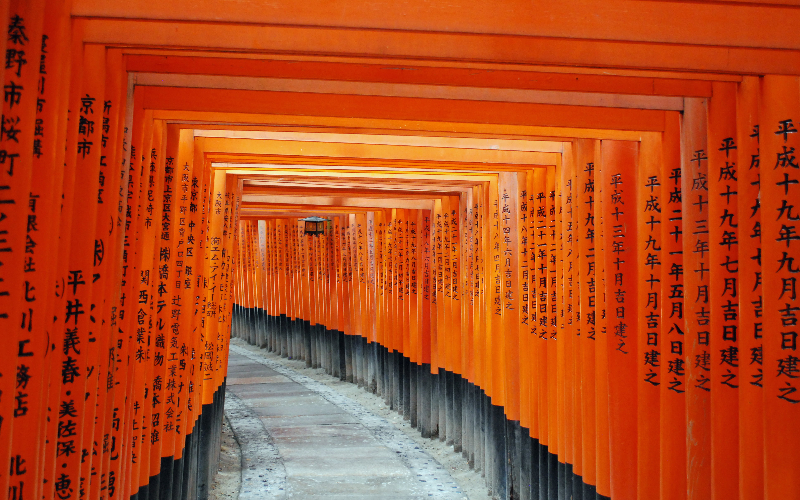
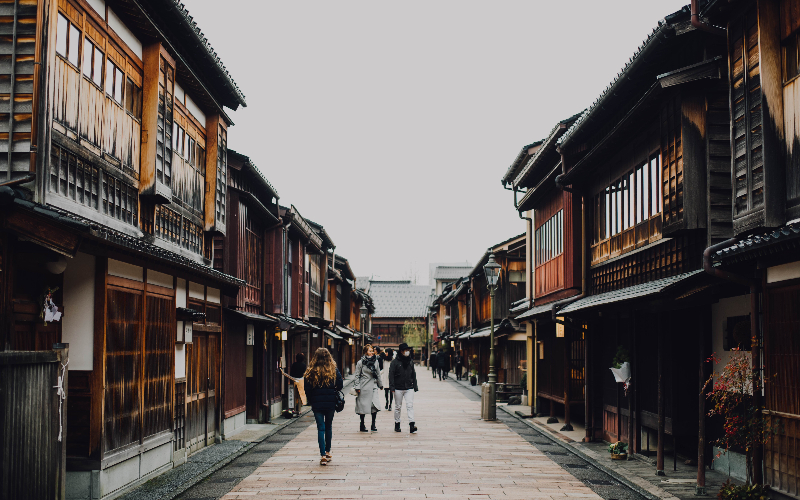
I would start Kyoto with Fushimi Inari because it is one of the most striking places in Japan and also one of the busiest. Placing this visit early in the day helps you enjoy the torii gate corridors before the biggest flow of tourists arrives.
After that, the sequence towards Kiyomizu-dera and Higashiyama makes sense because it concentrates some of Kyoto's most traditional scenery. This part of the city combines temples, old streets, shops, preserved houses and pleasant walks.
Gion works best at the end of the day. The district gains more atmosphere at dusk, when the lanterns start to light up and the traditional streets become more beautiful for walking.
Morning at Fushimi Inari
Fushimi Inari Taisha is one of Japan's most famous shrines, known for the thousands of red gates that form trails up the mountain.
The visit can be short or long, depending on how much you want to walk. If you only want the classic torii gate experience, you can visit the initial section and continue with the itinerary. If you plan to climb further up the trail, it is better to set aside more time and keep the rest of the day lighter.
I would place Fushimi Inari in the morning because the experience is better with smaller crowds. It is also a strong way to start Kyoto, immediately showing the spiritual and traditional side of the city.
Afternoon at Kiyomizu-dera and Higashiyama
Kiyomizu-dera is one of Kyoto's most important temples. It sits on a hillside and has a large wooden platform with a view over the city.
This temple pairs very well with Higashiyama, one of the best areas of Kyoto for walking through preserved streets, traditional shops, cafés, old houses and small climbs with a historic feel.
Higashiyama should not be a rushed visit. The charm of the area lies precisely in walking calmly, stopping for photos, browsing small shops and feeling the older side of Kyoto. In this stretch, the path between the attractions is part of the experience.
Evening in Gion
Gion is Kyoto's most famous traditional neighbourhood. The area is known for its wooden houses, narrow streets, tea houses and its connection to geisha culture.
I would leave Gion for the end of the day because the district becomes more interesting at dusk and at night. It is a good area for an unhurried walk after visiting Fushimi Inari, Kiyomizu-dera and Higashiyama.
It also works well for dinner or for continuing to nearby areas such as Pontocho and Kawaramachi, which have more restaurant options.
What to prioritise on this day
If time in Kyoto is limited, I would prioritise Fushimi Inari, Kiyomizu-dera, Higashiyama and Gion. Together, they offer an excellent introduction to the city.
What to avoid on this day
Do not try to fit Arashiyama into this same day. The area lies in another direction and deserves its own time. Mixing Fushimi Inari, Higashiyama, Gion and Arashiyama into one day can make the itinerary tiring and far too rushed.
Arashiyama, Bamboo Grove and nature
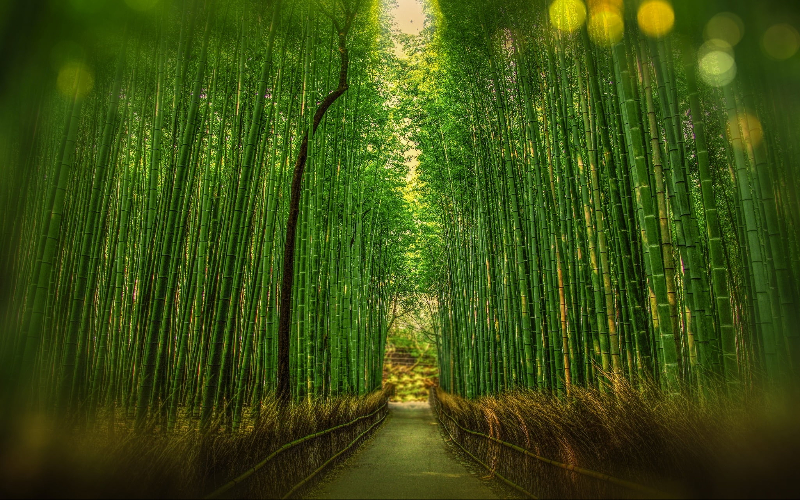
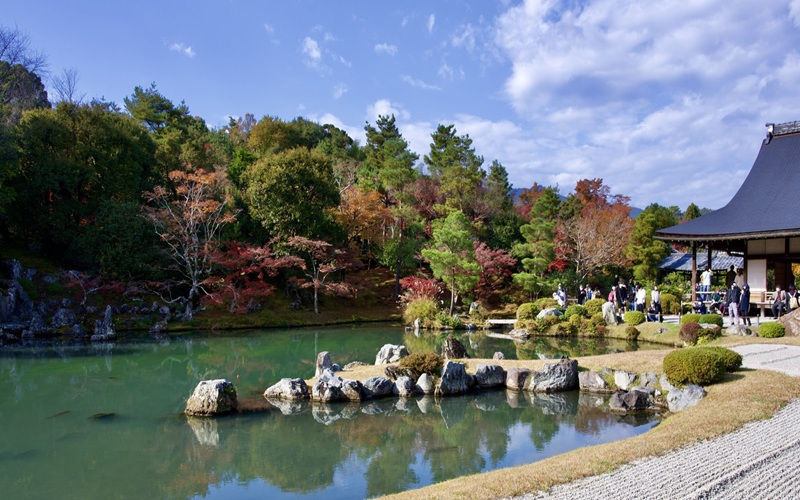
Arashiyama should have its own day because it is further from central Kyoto and gathers several attractions close to each other. Trying to squeeze the area in as a quick stop can make the visit rushed and take away part of the charm of the place.
This is one of the best areas of Kyoto for mixing nature, temples, gardens and river scenery. The Bamboo Grove is the most famous spot, but Arashiyama works better when combined with Tenryu-ji and a walk along the Katsura River area.
Morning at the Bamboo Grove
The Bamboo Grove is one of Kyoto's best-known landscapes. The trail surrounded by tall bamboo creates an atmosphere very different from the temples and busy streets of other areas of the city.
I would place the Bamboo Grove early in the morning, because the area tends to fill up throughout the day. Arriving earlier greatly improves the experience, especially for anyone who wants to walk more calmly and take photos.
The bamboo forest itself does not need to fill the whole day, but it works best as part of a larger visit around Arashiyama.
Afternoon at Tenryu-ji and the Katsura River
Tenryu-ji is an important Zen temple and fits in very well after the Bamboo Grove, because it is close to the main area of Arashiyama. The garden is one of the most interesting parts of the visit and helps balance the itinerary with a calmer experience.
After the temple, I would continue to the Katsura River area. This part makes the day lighter and shows a more natural side of Kyoto. It is a good place to walk, take photos and pause after the morning visits.
The river area also helps keep the day from being only about temples. In Kyoto, this matters, because visiting too many temples in a row can make the itinerary repetitive.
Evening in central Kyoto
For the evening, I would return to central Kyoto and choose areas such as Kawaramachi or Pontocho for dinner. Pontocho has a more traditional feel, with narrow alleys and many restaurants. Kawaramachi is more practical, with shops, transport and plenty of movement at night.
What to prioritise in Arashiyama
If time is short, I would prioritise the Bamboo Grove, Tenryu-ji and the Katsura River area. Other Arashiyama attractions can be added if you have more energy, but these spots already deliver a good experience of the region.
What can be optional
Smaller temples, extra viewpoints and secondary attractions in Arashiyama can be optional. It is better to enjoy the main area well than to turn the day into a race of quick stops.
Kinkaku-ji, Ryoan-ji and northern Kyoto
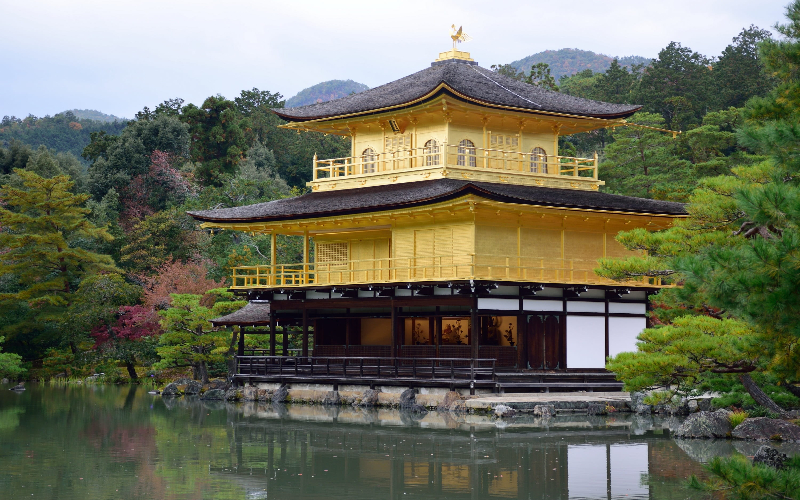
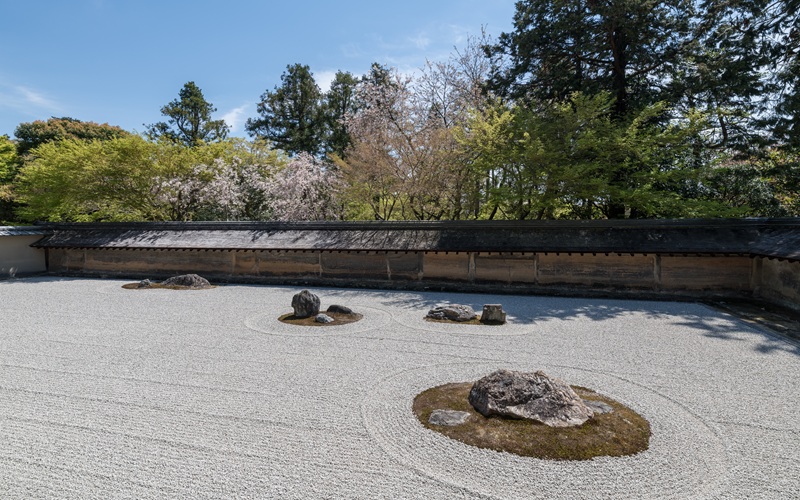
The third day can be dedicated to the classic temples of northern Kyoto. This region works well for a more organised final day, especially after two intense days at Fushimi Inari, Higashiyama, Gion and Arashiyama.
I would not put too many temples into this day. Kyoto has many important places, but after several visits the itinerary can start to feel repetitive. Choosing a few spots and visiting them calmly tends to work better.
Morning at Kinkaku-ji
Kinkaku-ji, known as the Golden Pavilion, is one of Kyoto's most famous temples. The image of the temple reflected in the lake is one of the city's most classic scenes.
For a first visit to Kyoto, I would keep Kinkaku-ji as a priority. Even though it is a touristy and busy place, it is one of the city's most important landmarks.
I would place the visit in the morning and then continue to another relatively nearby temple, instead of crossing Kyoto to a distant area.
Afternoon at Ryoan-ji
Ryoan-ji is known for its rock Zen garden and pairs well with Kinkaku-ji because it sits within the same regional logic.
This visit has a different rhythm from the Golden Pavilion. While Kinkaku-ji is more visual and photogenic, Ryoan-ji is quieter, minimalist and contemplative.
I would place both on the same day precisely because of this contrast and the proximity. That way, the itinerary stays more coherent and avoids long transfers.
Northern Kyoto
Northern Kyoto is usually calmer than the more famous areas of the centre and Higashiyama. If there is still time and energy, you can include another nearby temple or simply keep the day lighter.
For this 3-day itinerary, I would use the last day with more flexibility. If fatigue is already setting in, visit Kinkaku-ji and Ryoan-ji and then return to the centre to eat, walk or revisit an area you missed.
Evening in local neighbourhoods
On the last night, it makes more sense to keep the itinerary open. You can return to Gion, walk through Pontocho, explore Kawaramachi or revisit an area you enjoyed most. This works better than forcing a distant attraction at the end of the day. Kyoto is a city that suits unhurried walks, especially at night.
What to prioritise on this day
I would prioritise Kinkaku-ji and Ryoan-ji. If you still want to visit more temples, choose only one nearby extra and avoid making the day too heavy.
What can be optional
Ryoan-ji can be optional if you are already tired of temples or would rather spend more time in Gion, Nishiki Market or central Kyoto. Kinkaku-ji, for a first trip, I would keep.
What I would prioritise in Kyoto in 3 days
For a first trip to Kyoto, I would prioritise Fushimi Inari, Kiyomizu-dera, Higashiyama, Gion, Arashiyama and Kinkaku-ji.
These places show the city's main sides: torii gates, hillside temples, traditional streets, evening atmosphere, the bamboo forest, gardens and classic Japanese architecture.
If time is short, I would avoid trying to visit too many temples just because they are famous. Kyoto works best when the days are organised by region and there is time to walk between the places.
What can be optional in this itinerary
- Ryoan-ji can be optional if you want to reduce the number of temples.
- Some smaller Arashiyama attractions can be dropped if you want a lighter day.
- Northern Kyoto can be shortened if you prefer to spend more time in Gion, Pontocho or Kawaramachi.
- Extra temples in Higashiyama should only be added if you are not tired and still have time.
Mistakes to avoid in Kyoto
The biggest mistake in Kyoto is trying to visit too many temples in the same day. The city has many important places, but a packed itinerary can become repetitive and tiring.
Another common mistake is mixing very distant areas. Fushimi Inari, Arashiyama and Kinkaku-ji are not in the same region. Trying to combine everything in one day makes you lose time on transfers.
It is also important not to underestimate buses and traffic. Kyoto may seem smaller and calmer than Tokyo, but some transfers take quite a while, especially at busy times.
In Arashiyama, avoid arriving late if the Bamboo Grove is a priority. The area is one of the most visited in Kyoto and the experience is usually better earlier in the day.
Practical tips for visiting Kyoto
Kyoto is calmer than Tokyo, but it requires planning. The attractions are spread out and choosing the right order makes a big difference to the pace of the trip.
Getting around
- Buses are useful for many attractions, but they can be slow at busy times
- Trains work well for Fushimi Inari and Arashiyama
- Walking is part of the experience in Higashiyama, Gion and Arashiyama
- Taxis can be useful for saving time, especially when travelling with more people
Tickets and attractions
- Fushimi Inari Taisha is usually free to enter, including the main torii gate section
- The Bamboo Grove is an open area and the main trail does not require a ticket
- Kinkaku-ji, Ryoan-ji, Tenryu-ji and Kiyomizu-dera usually charge admission
- In high season there may be queues and bigger crowds, but advance booking is normally not required
Best times to visit
- Fushimi Inari: early in the morning or at the end of the day
- Arashiyama and the Bamboo Grove: in the morning, before the area fills up
- Gion: late afternoon and at night, when the neighbourhood is at its most beautiful
- Kinkaku-ji: earlier in the day, before groups and tours increase
- Higashiyama: in the afternoon, pairing with Gion at the end of the day
Where to stay
- Kyoto Station: practical for trains, day trips and connections to other cities
- Kawaramachi: good for restaurants, shops, transport and nightlife
- Gion: more traditional atmosphere, but can be more expensive